Asphalt plant operations rely on consistent, reliable high-temperature heat to keep aggregate drying, bitumen storage,…
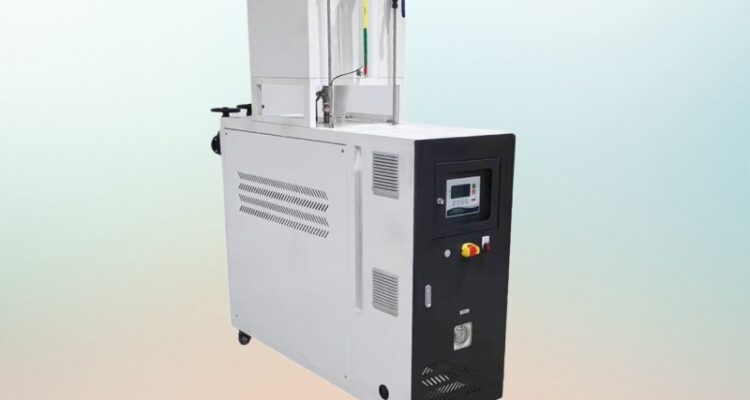
thermal oil heater process temperature control
Start with the core closed-loop regulation logic that keeps process temperature stable across changing operating conditions. The system reads real-time temperature values from sensors placed at critical points along the thermal oil supply line and directly inside the target process equipment, then compares those readings against the pre-set temperature target. Instead of switching the heating element fully on or off in abrupt cycles, the control logic adjusts heat output gradually, matching the exact amount of thermal energy delivered to the actual heat load consumed by the downstream process.
This gradual adjustment eliminates the large temperature swings that often happen with basic on-off control setups. Even when new cold workpieces are loaded into the process station or ambient workshop temperature shifts significantly, the system can compensate smoothly without letting the actual process temperature drift outside the narrow tolerance band required for consistent production results.
Sensor Placement and Signal Accuracy
The physical location of temperature sensors directly determines how responsive and reliable the entire control system will be. Sensors mounted too close to the heater outlet will measure the peak temperature of freshly heated thermal oil, but fail to capture the actual temperature that reaches the production process after heat loss along the piping. Sensors installed directly at the inlet of the target process station deliver far more accurate data that reflects the real thermal conditions experienced by the material being processed.
Regular verification of sensor signal integrity prevents hidden control errors that are hard to spot during normal operation. Even a small calibration drift of a few degrees will make the control system adjust heat output based on incorrect data, leading to consistent underheating or overheating of the process over time. Checking sensor readings against a portable reference thermometer at scheduled intervals ensures the control loop always operates on accurate, real temperature data.
Dynamic Load Response and Transition Management
When the production process moves from idle standby to full operating load, the temperature control system must handle the transient shift without overshooting the target setpoint. A well-tuned control profile will ramp up heat output steadily as thermal oil circulates through the cold piping and process equipment, slowing the rate of temperature rise as it approaches the setpoint to avoid pushing the process temperature past the allowed upper limit. This prevents thermal shock to sensitive process materials and eliminates wasted energy from unnecessary overheating.
For multi-stage production sequences that require different temperature setpoints for different process phases, the control system can pre-program smooth transition curves instead of jumping directly between temperature targets. This gradual temperature adjustment ensures every part of the connected process equipment heats up or cools down at a consistent rate, avoiding uneven thermal expansion that can cause mechanical stress or unexpected process quality variations.
Safety Interlock and Deviation Handling
The temperature control system integrates independent safety logic that triggers protective actions the moment process temperature moves outside a pre-defined safe deviation range. If the primary control loop fails to respond to a rising temperature trend, the interlock system will cut power to the heating elements, activate the auxiliary cooling circuit if equipped, and keep the circulation pump running to dissipate excess heat safely. This prevents unregulated overheating that could damage process materials or create unsafe operating conditions.
Operators can also configure custom alert thresholds for minor temperature deviations that do not trigger a full safety shutdown but signal a developing issue early. These alerts can flag subtle changes like slow temperature drift, extended heat-up time, or minor flow reduction long before the problem grows large enough to disrupt production. This proactive approach to temperature control reduces unplanned downtime and keeps process quality consistent across every single production cycle.
Related Posts