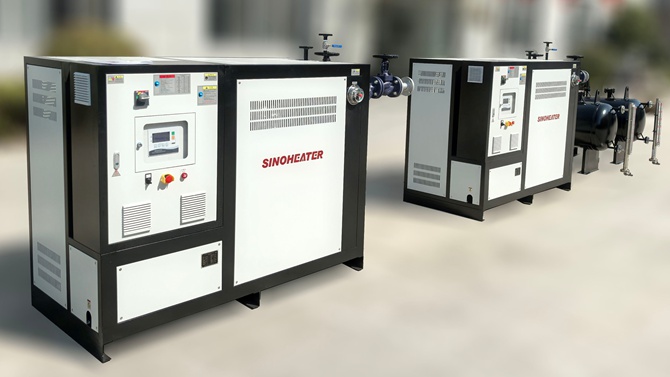
Asphalt plant operations rely on consistent, reliable high-temperature heat to keep aggregate drying, bitumen storage,…
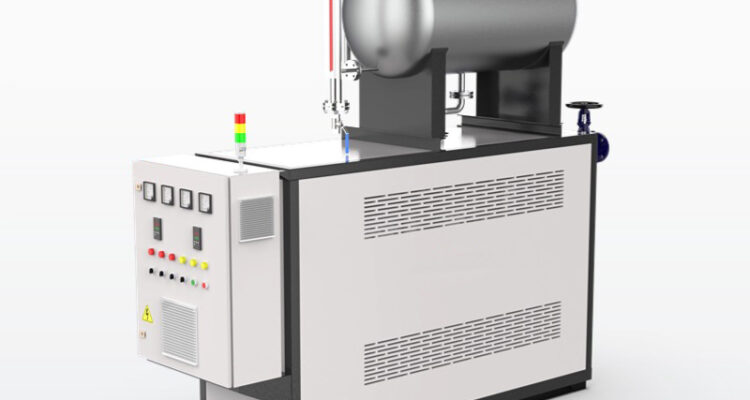
thermal oil heater industrial thermal fluid system
A properly configured industrial thermal fluid system forms the backbone of consistent, reliable process heating across many continuous manufacturing operations. Every component in the loop works in coordination to maintain steady heat transfer, minimize unplanned downtime, and support long-term operational stability, with practical guidance drawn directly from decades of field maintenance and process engineering practice.
Core Heat Transfer Loop Operation
The closed liquid-phase circulation moves heated medium evenly from the heat source to every point of use, then returns the fluid back to be reheated in a continuous, controlled cycle. System design prioritizes low operating pressure while still delivering high working temperatures, which reduces stress on piping, seals, and connection points over thousands of running hours. Flow rates are calibrated to match the exact heat demand of downstream equipment, preventing uneven temperature distribution that could disrupt process consistency. This steady, regulated circulation also helps avoid localized overheating of the heat transfer medium, extending its usable service life under normal operating conditions.
Integrated Safety and Condition Monitoring
Multiple layers of interlinked monitoring track critical operational parameters in real time to catch deviations before they develop into larger issues. Sensors placed at key points across the system track medium temperature, loop pressure, and fluid level, triggering immediate, predefined protective actions if values move outside established safe ranges. Over-temperature protection automatically cuts heating input when surface limits are reached on heating elements, preventing unnecessary wear and potential system risk. All monitoring logic is built to support clear, immediate feedback for on-site operators, so any abnormal condition can be addressed quickly and correctly without unnecessary guesswork.
Routine Maintenance and Performance Optimization
Scheduled, structured inspection routines focus on the most critical wear points in the circulation loop to keep long-term performance stable. Regular checks of filter assemblies, connection seals, and pump operating conditions help catch minor leaks or flow restrictions before they escalate into unplanned shutdowns. Periodic verification of sensor calibration ensures temperature readings stay accurate, so the system can maintain tight control over process heat output for extended production runs. Consistent, documented maintenance practices also support gradual performance tuning, helping the system retain high thermal efficiency across many years of continuous industrial service.
Related Posts