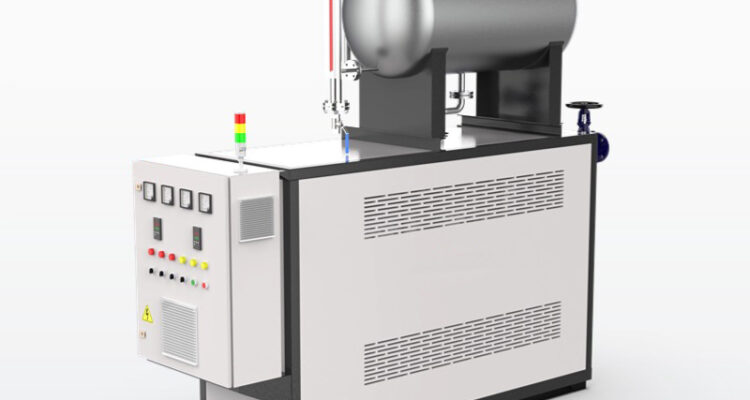
Asphalt plant operations rely on consistent, reliable high-temperature heat to keep aggregate drying, bitumen storage,…
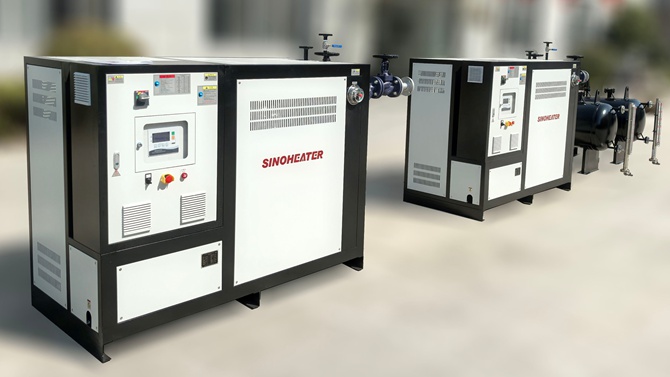
thermal oil heater industrial process applications
Thermal oil heater systems deliver stable, high-temperature heat transfer under low operating pressure, making them a reliable heating solution for industrial processes that demand precise, consistent thermal control over long continuous production runs. Unlike steam-based heating setups that require complex pressure management and regular water treatment, these closed-loop systems circulate specialized heat transfer fluid to distribute uniform heat across large process areas, reducing the risk of unexpected temperature fluctuations that can compromise final product quality. Their flexible operating characteristics make them suitable for a wide range of industrial use cases that prioritize both operational safety and long-term thermal stability.
Polymer and plastic processing temperature regulation
In polymer and plastic manufacturing, maintaining a narrow, consistent temperature band across extrusion, molding, and calendaring equipment directly impacts the uniformity of material flow and the structural integrity of finished parts. Thermal oil systems deliver steady heat to jacketed barrels, die heads, and roller assemblies, eliminating the hot spots and uneven cooling that cause surface defects, internal stress, or inconsistent dimensional accuracy in finished products. The closed-loop circulation design also ensures that heat is distributed evenly over large surface areas, even for production lines that run 24 hours a day across multiple consecutive operating shifts.
Bitumen and asphalt production temperature maintenance
Bitumen and asphalt materials require sustained, carefully controlled high temperatures to stay at the correct viscosity for pumping, mixing, and paving operations, without risk of localized overheating that can degrade the material’s chemical properties. Thermal oil heaters circulate heated fluid through storage tank heating coils, transfer line jackets, and aggregate mixing equipment, holding every section of the process at a consistent setpoint that prevents premature material hardening or thermal breakdown. This consistent thermal performance eliminates the uneven heating issues that can leave thick, hardened residue on tank walls and pipe interiors, reducing the frequency of time-consuming manual cleaning cycles.
Food processing high-temperature indirect heating
Many food production processes, including edible oil refining, snack baking, and concentrated syrup manufacturing, require indirect, contamination-free heat transfer that never exposes the product directly to combustion gases or high-pressure steam. Thermal oil systems transfer heat through fully sealed heat exchanger surfaces, delivering precise, adjustable temperatures that prevent burning, caramelization, or nutrient degradation in sensitive food ingredients. The low operating pressure of the system also removes the safety risks associated with high-pressure steam heating in food production facilities, creating a more stable working environment for teams that manage continuous, large-batch processing operations.
Drying and curing process uniform heat distribution
Industrial drying and curing operations for coated materials, wood products, and composite parts rely on slow, evenly distributed heat to remove moisture or trigger controlled chemical cross-linking without warping, surface cracking, or uneven finish quality. Thermal oil heaters supply consistent heat to air handler coils, press platens, and enclosed curing chamber radiators, creating a uniform thermal environment that eliminates the hot and cold zones common with direct-fired heating setups. This even heat distribution ensures every part in a large batch receives exactly the same thermal treatment, drastically reducing the number of rejected units caused by inconsistent curing results.
Related Posts