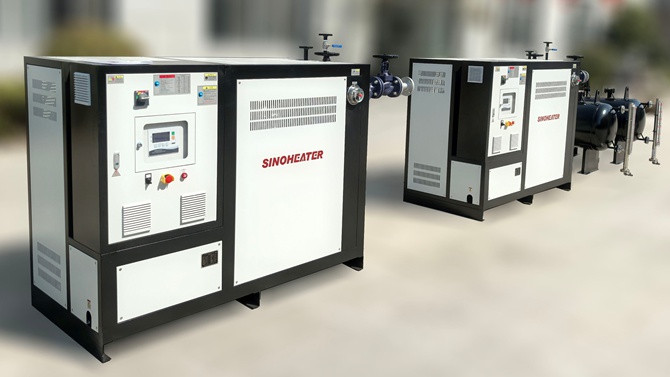
Asphalt plant operations rely on consistent, reliable high-temperature heat to keep aggregate drying, bitumen storage,…
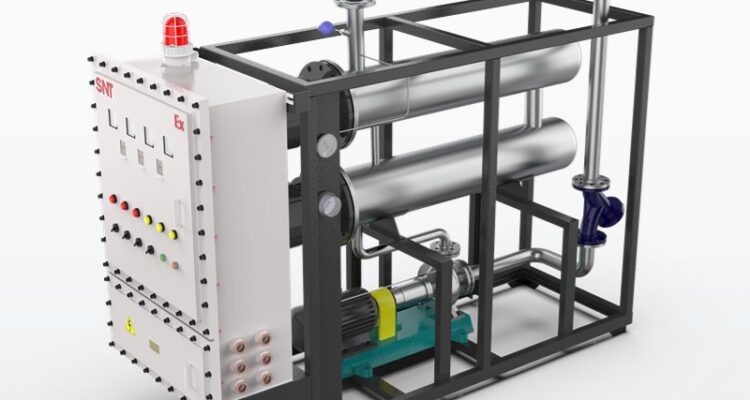
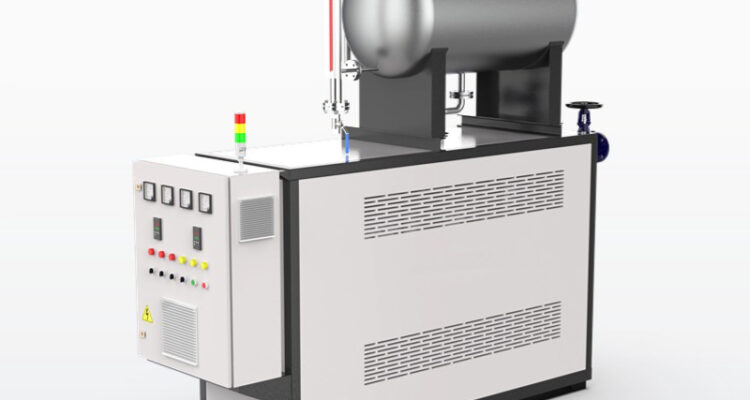
thermal oil heater industrial thermal equipment
Thermal oil heaters are foundational industrial thermal equipment that deliver consistent, precise indirect heating for processes that cannot tolerate direct flame contact or unstable temperature fluctuations. Unlike traditional steam-based heating systems, these closed-loop thermal fluid setups operate at far lower system pressures even when reaching very high operating temperatures, making them a reliable, low-risk choice for heavy industrial environments that demand steady, uninterrupted thermal output across extended production runs. Their unique operating characteristics make them well suited for a wide range of demanding use cases where temperature accuracy and long-term stability are non-negotiable.
Core system structure and working logic
At the heart of every thermal oil heater industrial system is a fully closed, recirculating loop that moves thermal fluid continuously through a heat generation section, then out to downstream process loads, before returning back to be reheated. The heat source transfers energy directly to the circulating thermal oil without any intermediate heat exchange step, so almost all generated thermal energy is absorbed by the fluid instead of being lost to the surrounding environment. This direct heat transfer structure creates a very efficient base platform that minimizes wasteful energy loss from the moment the system starts up.
A high-performance circulating pump maintains steady, consistent fluid flow across every section of the loop, ensuring thermal oil never stagnates or lingers too long in the high-temperature heating zone. This continuous movement prevents localized overheating of the thermal fluid, which would otherwise cause premature degradation, coking, and a gradual drop in system performance over time. The pump’s steady flow also creates uniform temperature distribution across every connected process load, so no single section of production equipment experiences unexpected temperature swings.
Multiple layers of integrated safety interlocks monitor system pressure, fluid temperature, and flow status in real time, and trigger immediate, controlled shutdown if any operating parameter moves outside its safe working range. These interlocks prevent the system from running under low-flow, over-temperature, or over-pressure conditions that could damage internal components or create unsafe operating states. This layered protection is a core reason thermal oil heaters are trusted for continuous, unattended operation in heavy industrial facilities around the world.
Thermal fluid property and performance matching
Selecting the right thermal fluid for the specific operating temperature range of your facility is one of the most critical decisions for long-term system performance. Different thermal fluids have different maximum stable temperature limits, viscosity curves at low temperatures, and resistance to thermal breakdown. Matching the fluid’s properties exactly to your system’s normal operating range ensures the fluid remains stable, flows easily even during cold startup, and maintains consistent thermal conductivity for thousands of operating hours.
Thermal oil’s high specific heat capacity lets it carry large amounts of thermal energy across long piping runs, with very small temperature drop between the heater outlet and the farthest downstream process load. This means you can route heat to multiple separate production stations spread across a large facility, all connected to the same central heater loop, without experiencing major temperature inconsistency at the end of the line. This distributed heating capability makes thermal oil heater systems far more practical than many other heating solutions for large, multi-process industrial sites.
As thermal fluid gradually ages and accumulates minor degradation byproducts over time, its thermal transfer performance will slowly shift, and its viscosity will rise slightly. Regular sampling and testing lets you track these changes early, so you can perform partial fluid top-ups or targeted filtration before degraded fluid starts forming carbonized deposits on internal heater surfaces. This simple routine preserves the system’s original heat transfer efficiency, and prevents unexpected performance drops that would disrupt downstream production.
Integration with downstream industrial process loads
Thermal oil heater systems can be connected to a very wide range of industrial thermal equipment, including heated rollers, jacketed reaction vessels, heat presses, drying ovens, and molds that require precise, consistent temperature control. Each process load receives thermal energy through a simple heat exchanger or direct jacket connection, and operators can adjust the local temperature at each individual station using independent control valves. This level of flexible zoning lets different processes running off the same central heater operate at completely different temperature setpoints, without any conflict or cross-interference.
The system’s ability to hold a perfectly stable output temperature, with almost no fluctuation, eliminates the temperature overshoot and undershoot issues that are very common with direct electric heating or steam systems. This level of control is critical for processes where even a small temperature shift of a few degrees can ruin final product quality, create inconsistent material properties, or trigger unwanted chemical reactions inside production materials. Many industrial facilities rely on this stable temperature performance to maintain tight, repeatable quality standards across thousands of production units.
Waste heat recovery loops can be easily integrated into the thermal oil heater system, to capture excess heat from flue gas or downstream process cooling cycles and feed that energy back into the main thermal fluid loop. This recovered pre-heated fluid reduces the total amount of new energy the main heater needs to add to reach target operating temperature, and cuts overall energy consumption significantly. This kind of modular integration makes thermal oil heater systems extremely adaptable, and lets facilities tune their thermal performance to match their unique site-specific energy profile.
Long-term operation and routine maintenance best practices
Establish a regular schedule to inspect and clean all heat transfer surfaces inside the heater chamber, to remove thin layers of carbonized oil residue that build up slowly over time. Even a very thin layer of coked oil acts as an insulating barrier that blocks efficient heat transfer, forces the heater to consume more energy to hit target temperatures, and accelerates further thermal fluid degradation. Regular scheduled cleaning removes this buildup before it grows thick and hard, and keeps the system running close to its original design efficiency for decades.
Check all circulating pump seals, valve connections, and piping flanges periodically for tiny, slow thermal oil leaks that are easy to miss during normal operation. Even very small leaks that lose only a tiny volume of fluid per hour can add up to significant fluid loss over months of continuous operation, and they create unnecessary safety risks around high-temperature system components. Fixing these small leaks early prevents unexpected fluid loss, and keeps the system’s internal pressure and flow balance perfectly stable.
Build a structured cold startup procedure that gradually brings the system up to operating temperature in controlled, slow stages, instead of jumping straight to maximum heat output immediately. Slow, staged heating lets residual moisture trapped inside the loop boil off and vent safely, prevents sudden thermal shock to internal heater components, and lets thermal fluid warm up gradually so its viscosity drops to normal working levels before the system runs at full circulation speed. This careful startup routine drastically reduces unnecessary component wear, and extends the total service life of the entire industrial thermal equipment setup by many years.
Related Posts