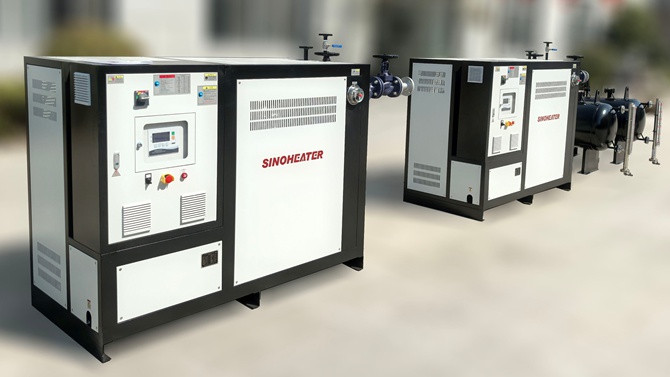
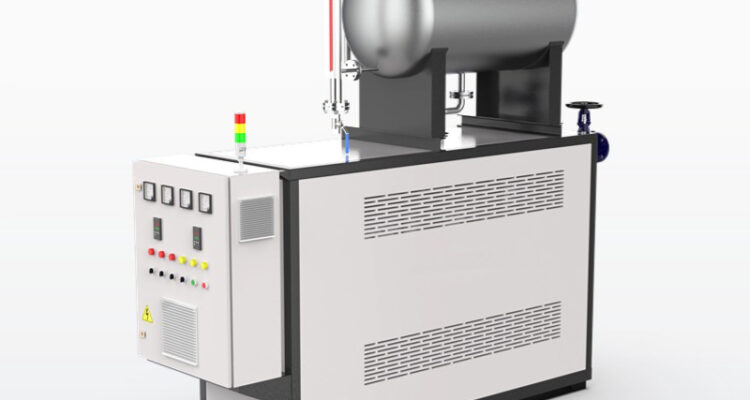
Asphalt plant operations rely on consistent, reliable high-temperature heat to keep aggregate drying, bitumen storage,…
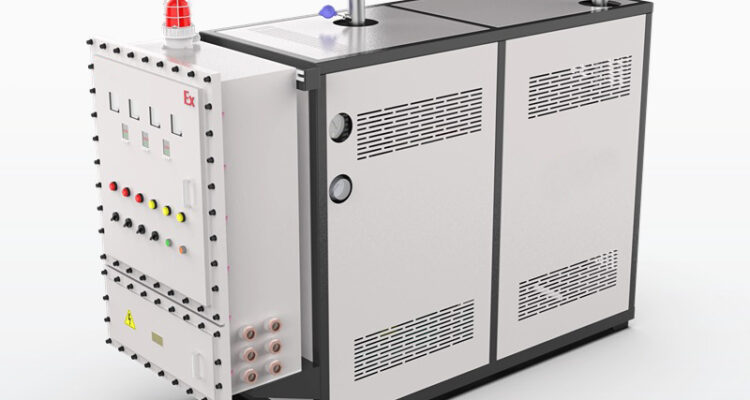
thermal oil heater heat transfer fluid system
A thermal oil heater heat transfer fluid system operates on a closed-loop circulation principle that moves heated fluid between the heater unit and distributed process points, delivering stable, uniform high temperatures at far lower operating pressure than comparable steam-based systems. This design makes it a reliable choice for industrial processes that demand precise, consistent heat across extended operating cycles, without the complex water treatment and high-pressure safety infrastructure that steam systems require. When configured and maintained correctly, this type of system can maintain steady thermal performance for years, even under continuous, around-the-clock operation in demanding industrial environments.
System flow path and core heat exchange logic
The core operating sequence starts when cool fluid is drawn from the low-pressure side of the loop, pushed through the heater’s heat exchange zone, and raised to the exact target temperature before being routed out to the process load points. As the fluid releases its stored heat to the jackets, presses, ovens, or reactors that make up the process side, it cools down slightly before traveling back to the heater to be reheated and recirculated. This continuous, single-phase liquid circulation eliminates the phase change that drives steam systems, which removes the risk of sudden pressure spikes caused by uneven boiling or condensate buildup.
Managing fluid velocity across the loop
Maintaining consistent fluid velocity through every section of piping and the heater’s heat exchange surfaces is one of the most critical factors for long-term system health. If flow speed drops too low in any segment, the fluid can sit too long in contact with the hottest heater surfaces, leading to localized overheating that triggers thermal cracking and premature fluid degradation. If flow speed is excessively high, it creates unnecessary friction losses that waste pump energy and accelerate wear on piping bends and sealing points. Carefully balancing pipe sizing, pump output, and loop layout ensures every section of the system stays within the optimal velocity window for the specific fluid in use.
Fluid degradation risk and proactive mitigation
Even under normal operating conditions, continuous exposure to high temperatures will gradually break down the heat transfer fluid over time. The two most common degradation pathways are thermal cracking, which happens when fluid film temperature at the heater surface exceeds the fluid’s stable upper limit, and oxidation, which occurs when hot fluid comes into prolonged contact with oxygen from ambient air. Both processes alter the fluid’s chemical composition, increasing viscosity, reducing flash point, and creating solid carbon deposits that stick to pipe walls and heater surfaces.
Controlling oxidation in the expansion tank
The expansion tank, which accommodates the natural volume change of the fluid as it heats up, is the most common point where system fluid comes into contact with ambient air. Implementing a properly designed cool reservoir zone that keeps a large portion of the stored fluid at a much lower temperature than the main loop drastically slows down oxidation rates. Adding a blanketing gas layer above the fluid surface in the tank creates an additional barrier that eliminates direct air contact entirely, which can double or even triple the usable service life of the fluid before it needs to be replaced or reconditioned.
System performance tuning and long-term operational stability
As systems accumulate thousands of operating hours, small changes in heat transfer efficiency, minor flow restrictions, and subtle drift in sensor calibration can combine to reduce overall performance over time. Regular systematic tuning that checks temperature differentials across the heater, monitors pressure drop across the full loop, and verifies pump performance against original baseline values lets operators catch small issues before they develop into larger, unplanned shutdown events. This level of routine oversight keeps heat transfer efficiency consistent, reduces unnecessary energy consumption, and prevents the kind of unexpected thermal stress that damages both system components and process output quality.
Alarming for early stage performance drift
Setting up layered monitoring that tracks not just outlet temperature, but also the difference between heater inlet and outlet temperature, and the pressure drop across the full circulation loop, creates an early warning system for developing problems that do not yet trigger a critical fault. A slow, gradual rise in pressure drop across the loop, for example, almost always signals that thin layers of carbon deposits are starting to build up on internal pipe walls, long before the buildup becomes thick enough to cause major flow restriction or overheating. Catching this early stage drift gives teams time to schedule planned cleaning and maintenance during a convenient production window, rather than being forced to deal with a sudden, unplanned outage in the middle of a critical production run.
Related Posts