Asphalt plant operations rely on consistent, reliable high-temperature heat to keep aggregate drying, bitumen storage,…
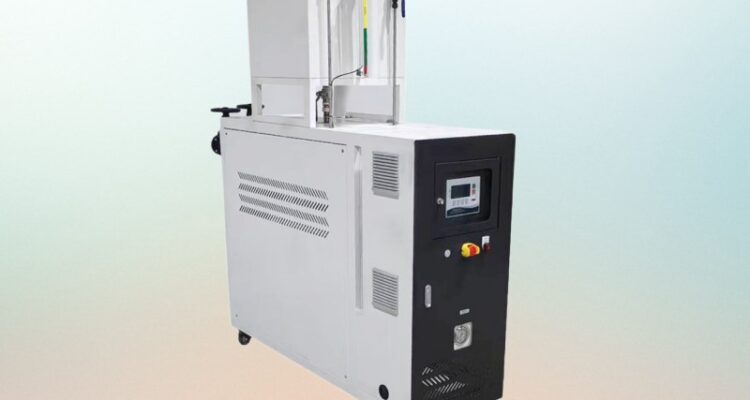
thermal oil heater industrial temperature management
Stable temperature management is the foundation of consistent output and long operational life for any industrial thermal oil heater installation. Even small, unaddressed temperature fluctuations can ripple through connected process lines, creating uneven product quality, unexpected material waste, and unnecessary strain on the heater’s internal components. Teams that master structured temperature control practices often see far fewer unplanned shutdowns, longer working fluid service life, and far more predictable process performance across their entire operation.
Build layered setpoint control logic that matches the unique heat demand profile of your facility instead of relying on a single basic temperature controller. Many industrial sites have widely varying heat loads that shift across different production shifts, idle periods, and product changeover phases. A well-designed control system uses primary loop temperature readings, combined with feedback from downstream process sensors, to adjust heater output gradually instead of letting it cycle fully on and off in abrupt bursts. This smooth, modulated control eliminates the wide temperature swings that happen when the heater overshoots its target after a cold start, or drifts far below setpoint when a sudden large heat load comes online.
Implement differential temperature monitoring across the entire recirculation loop to catch hidden performance issues long before they cause process problems. Track the exact temperature of the fluid as it leaves the heater, after it passes through each major process load, and right before it re-enters the heater heating section. A steady, predictable temperature drop between supply and return lines is a normal sign of efficient heat transfer, but a sudden, unexpected shift in this differential reading tells you something inside the system has changed. A shrinking temperature gap across the heater heating element usually means carbon deposits are building up on the heat transfer surfaces, while an unexpected large temperature drop across an isolated pipe section points to uninsulated areas losing excess heat to the surrounding environment.
Add dedicated over-temperature protection layers that operate independently from the main process control logic to prevent dangerous thermal runaway scenarios. Even the most well-tuned primary controller can fail due to sensor drift, electrical noise, or unexpected programming errors. These secondary protection systems are calibrated to trigger a full heater shutdown the moment fluid temperature crosses a predefined safe upper limit that sits just above the normal maximum operating range. They also trigger dedicated alarms that alert on-site operators immediately, before excess heat can break down the thermal fluid, damage internal heater components, or create unsafe pressure buildup inside the closed loop system.
Carry out regular temperature sensor calibration and validation routines to make sure all your control and monitoring points are reporting accurate readings. Even minor sensor drift of just a few degrees can make the primary controller run the heater far hotter than intended, wasting energy and accelerating fluid degradation over time. Cross-reference each installed sensor reading against a portable, calibrated reference temperature probe at least once per operating quarter, and replace any units that fall outside acceptable accuracy limits. This small, consistent maintenance step eliminates the hidden problem where your control system is operating off bad data, making all its carefully tuned temperature adjustments work against you instead of supporting stable process conditions.
Experienced plant engineers who have managed thermal oil heater installations across decades of continuous operation know that reliable temperature management is never a one-time setup task. It is an ongoing, iterative practice that evolves as your process loads shift, your working fluid ages, and your facility goes through normal changes over time. Teams that stick to these consistent, field-proven practices avoid most of the common temperature-related failures that force other operations into costly unplanned downtime.
Related Posts