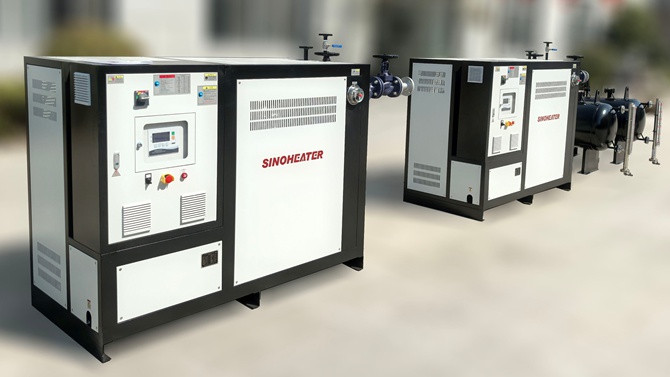
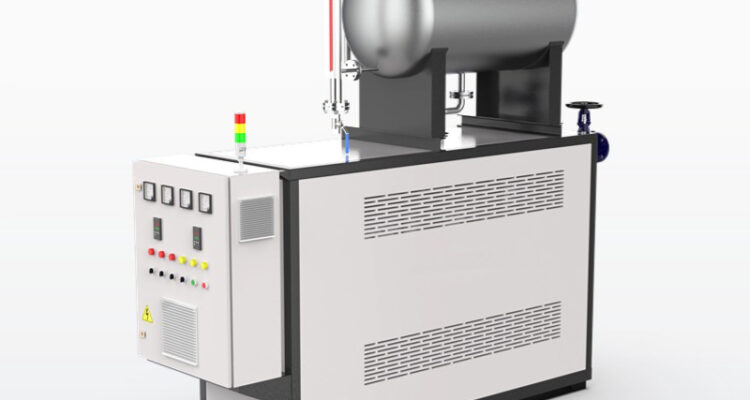
Asphalt plant operations rely on consistent, reliable high-temperature heat to keep aggregate drying, bitumen storage,…

thermal oil heater industrial fuel efficiency
Industrial facilities that rely on thermal oil heater systems for consistent, high-temperature process heating often overlook small, consistent adjustments that unlock major gains in overall fuel efficiency. Unlike steam-based heating setups, thermal oil systems operate in a closed-loop configuration that creates unique opportunities to cut unnecessary fuel consumption, reduce thermal waste, and deliver more usable heat directly to the points where it is needed most.
Optimize combustion and air-fuel ratio control for minimal waste
Even a small imbalance in the mix of combustion air and fuel can lead to incomplete burn, unburned fuel escaping through exhaust, and significant amounts of energy wasted without ever being transferred into the thermal oil.
Monitor exhaust gas oxygen levels on a consistent routine
Regular, targeted checks of oxygen levels in exhaust flow give operators clear, actionable data to fine-tune the air-fuel balance, ensuring every unit of fuel burns as completely as possible. Too little air creates rich burn conditions that waste unburned fuel and raise harmful emissions, while too much excess air pulls extra heat out through the exhaust stack that would otherwise stay inside the system to heat the circulating fluid. Small, incremental adjustments based on real exhaust readings often deliver immediate, measurable improvements in fuel use without requiring any major system overhauls.
Schedule periodic burner inspection and cleaning
Over weeks and months of continuous operation, small layers of soot, carbon buildup, and minor residue accumulate on burner surfaces and combustion chamber walls. This thin layer acts as an insulating barrier that stops heat from transferring efficiently into the thermal oil, forcing the system to burn far more fuel to reach and maintain target operating temperatures. A regular, scheduled cleaning and inspection cycle removes this buildup, restores full heat transfer surface performance, and eliminates the hidden fuel waste that comes from a fouled combustion zone.
Maintain thermal oil condition and system circulation efficiency
The performance of the heat transfer fluid itself has a direct, measurable impact on how much fuel the system needs to maintain stable process temperatures, and most gradual efficiency drops tie back to slow, unnoticed degradation of the circulating oil.
Test thermal oil properties at regular service intervals
As thermal oil cycles through repeated heating and cooling phases over long operation periods, it gradually breaks down, forming heavier molecular compounds that raise overall viscosity and reduce heat carrying capacity. When the fluid becomes too thick, the circulating pump has to work harder to move it through the loop, and heat moves far more slowly from the combustion chamber out to the process load. Regular lab analysis of oil samples checks for viscosity shifts, total acid number, and contamination levels, letting operators catch degradation early and perform targeted maintenance before the system starts burning far more fuel to compensate.
Remove trapped air and dissolved gases from the loop
Air that leaks into the system through small seal gaps, or dissolved gases released as the oil heats up, creates insulating pockets and vapor locks that disrupt smooth, continuous circulation. These pockets block consistent heat transfer, create uneven temperature spikes, and force the burner to fire more frequently to maintain steady output. Proper venting through the expansion tank and periodic air purging removes these trapped gases, restoring full circulation flow and ensuring every kilocalorie of heat generated by combustion makes its way into the process instead of getting trapped in air pockets inside the piping.
Eliminate preventable heat loss through targeted insulation and system tuning
A surprising amount of the heat generated by the burner never reaches the intended process load, because it leaks out through uninsulated piping, poorly sealed flanges, and unused sections of the system that run at high temperature even when no load is calling for heat.
Audit and upgrade insulation across all high-temperature surfaces
Over years of operation, high-temperature insulation around piping, heat exchangers, and the outer shell of the heater itself can develop gaps, compressed sections, water damage, or worn spots that let large amounts of radiant heat escape into the surrounding plant space. A full walkthrough audit with a thermal camera quickly identifies every hidden spot where heat is leaking out, so teams can repair, replace, or add new insulation to eliminate that unnecessary waste. Even a single poorly insulated flange that is easy to overlook can leak enough heat over months of continuous operation to add a noticeable amount of extra fuel consumption to the system.
Tune system temperature setpoints to match real process demand
Many facilities run their thermal oil heater at a fixed maximum temperature that was set during initial commissioning, even though their actual process load does not require that level of heat 24 hours a day. By mapping real, hourly process temperature requirements across different shifts, production runs, and idle periods, operators can adjust the heater outlet setpoint to the exact minimum temperature needed to deliver consistent process performance. This small, intentional tuning step reduces how often the burner fires, cuts total fuel burn significantly, and reduces unnecessary thermal stress on both the heater and the heat transfer fluid, extending overall system service life at the same time.
These practical, field-tested steps do not rely on complex new technology or major system overhauls, but they create consistent, long-term improvements in fuel efficiency that add up to very meaningful operational gains across months and years of continuous industrial use.
Related Posts