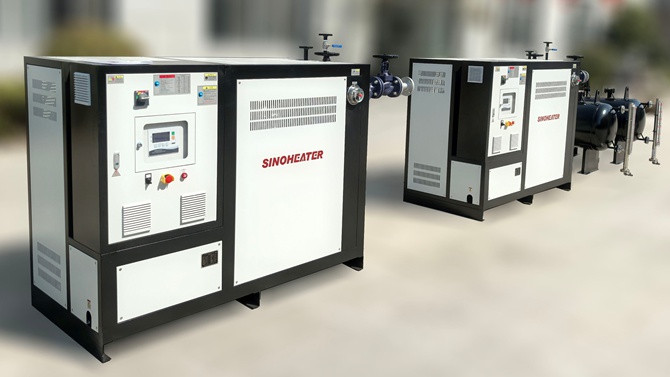
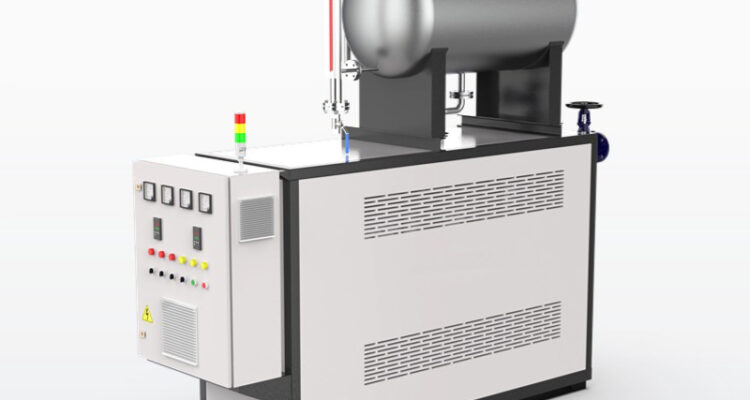
Asphalt plant operations rely on consistent, reliable high-temperature heat to keep aggregate drying, bitumen storage,…
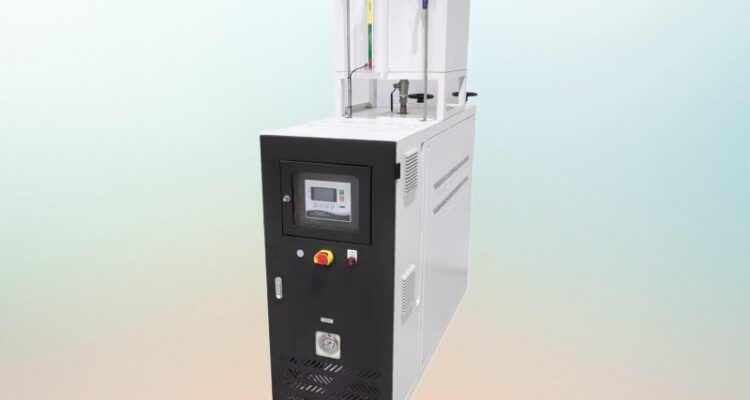
thermal oil heater heat transfer equipment
Thermal oil heater heat transfer equipment forms the core of modern industrial closed-loop heating systems, enabling stable, high-temperature heat delivery at far lower operating pressures than traditional steam-based setups. Every component in this equipment ecosystem is engineered to move heat efficiently from the combustion or heating source out to the points of process demand, while minimizing waste, thermal loss, and unplanned downtime across continuous operation cycles.
Optimize heat exchanger surface design for consistent thermal flow
The physical design of the heat transfer surfaces directly determines how effectively energy moves from the heat source into the circulating thermal oil, and small, intentional adjustments to surface geometry deliver major gains in overall system performance.
Configure counter-flow arrangement for maximum temperature alignment
A counter-flow layout directs hot flue gas or heating medium across one side of the heat transfer surface in the exact opposite direction of the cold thermal oil flowing on the other side. This arrangement creates a consistent, gradual temperature gradient across the entire length of the exchanger, eliminating the sharp temperature spikes that cause uneven thermal stress and ensuring almost no residual heat is left in the exhaust stream before it exits the system. This configuration extracts far more usable energy from the heat source than simpler parallel-flow designs, and it keeps the entire heat transfer surface operating at a far more uniform temperature.
Add extended surface features to low-velocity flow zones
Areas where thermal oil moves at lower velocity across the heat transfer surface are prone to developing thin, stagnant boundary layers of fluid that act as an insulating barrier, slowing down heat transfer significantly. Adding carefully shaped extended surface features breaks up these stagnant layers, agitates the flowing fluid, and pushes fresh, cool thermal oil into direct contact with the hot metal surface. This simple modification raises the overall effective heat transfer coefficient across the entire exchanger, without requiring an increase in pump power or flow rate that would add unnecessary operational energy consumption.
Manage fluid circulation dynamics to eliminate flow imbalance
Even the most well-designed heat transfer surfaces will underperform if the thermal oil does not move evenly, consistently, and at the correct velocity across every inch of the available heated area.
Install flow balancing elements at circuit inlets
In multi-coil or multi-pass heat transfer equipment, it is common for some flow paths to carry far more fluid than others, creating zones where the oil moves too fast to absorb enough heat, and other zones where it moves so slowly that it overheats and degrades prematurely. Simple flow balancing elements installed at the inlet of each individual circuit equalize resistance across every path, ensuring the same volume of thermal oil flows through every section of the heated coil. This eliminates both under-heated and overheated spots, keeps the entire system operating at uniform efficiency, and prevents localized thermal oil degradation that would otherwise shorten fluid service life.
Maintain minimum turbulent flow velocity across all operating loads
When flow velocity drops too low during periods of reduced process demand, the thermal oil transitions from turbulent flow to laminar flow, creating thick insulating boundary layers that drastically reduce heat transfer performance. Setting strict minimum flow velocity requirements that stay above the laminar transition threshold, even at partial load, ensures the fluid always mixes thoroughly as it moves across heated surfaces. This keeps heat transfer rates high, prevents dangerous localized overheating on metal walls, and avoids the uneven temperature output that would disrupt downstream process stability.
Integrate secondary heat recovery loops to capture waste energy
A large amount of residual heat that would otherwise escape through exhaust or cool down unused can be recaptured and fed back into the system to cut total external heat demand significantly.
Route exhaust waste heat to pre-heat incoming make-up fluid
Hot exhaust that leaves the main heat transfer section still carries a large amount of usable thermal energy that can be recovered with a secondary low-temperature heat exchanger. This recovered heat is used to pre-heat cold make-up thermal oil before it enters the main heater circuit, reducing the total amount of energy the main burner needs to add to bring the fluid up to target operating temperature. This simple addition captures energy that would otherwise be lost completely to the atmosphere, and it delivers a measurable, consistent reduction in total fuel consumption across every full system cycle.
Recover residual system heat during idle and shutdown phases
When the system shuts down for scheduled maintenance or extended idle periods, the entire mass of hot thermal oil and metal components still holds a huge amount of stored thermal energy that usually just dissipates passively into the surrounding plant space. A secondary small loop connected to the system can extract this residual stored heat and redirect it to other low-temperature process loads or facility space heating needs, instead of letting it go completely to waste. This practical step turns otherwise unused stored heat into usable operational value, and it helps the full system reach a safe, accessible service temperature far faster when maintenance work needs to be performed.
Every one of these design and operational choices works together to create a heat transfer system that moves energy reliably, predictably, and efficiently, matching the consistent high-temperature demands that modern industrial processes rely on day after day.
Related Posts