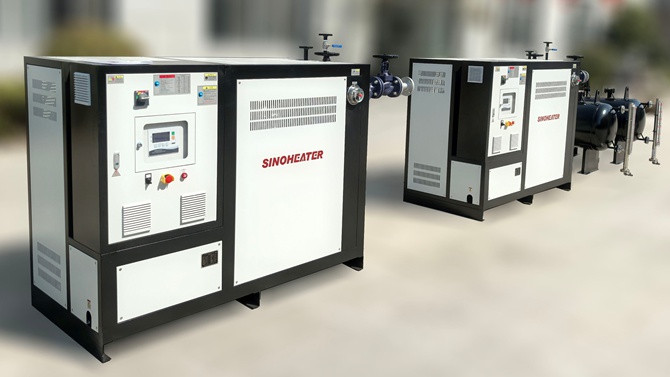
Asphalt plant operations rely on consistent, reliable high-temperature heat to keep aggregate drying, bitumen storage,…
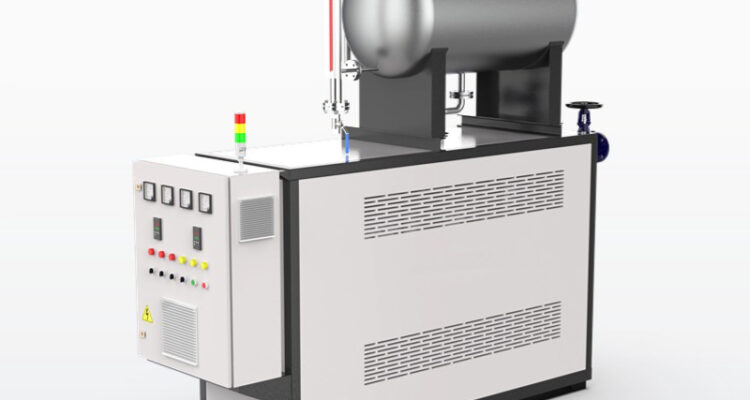
thermal oil heater heating efficiency analysis
Heating efficiency analysis for a thermal oil heater focuses on identifying the real-world gaps between theoretical thermal output and the actual usable heat delivered to the process loop. Many industrial systems operate for years without a structured efficiency audit, losing significant amounts of energy to avoidable losses that slowly creep in as components age, fluid properties shift, or operating practices drift away from original design parameters. A thorough, systematic analysis does not just measure current performance, it uncovers actionable adjustments that restore stable, consistent heat transfer across the full circulation system.
Baseline data collection for accurate efficiency benchmarking
Before you run any efficiency calculation, you need to gather a complete set of synchronized operating data that reflects real, steady-state conditions, rather than isolated, unrepresentative readings taken during transient load shifts.
Capture synchronized inlet and outlet thermal fluid parameters
Record the mass flow rate, inlet temperature, and outlet temperature of the circulating thermal oil at stable, consistent load levels across multiple typical operating scenarios. Make sure these readings are all taken at the same moment, so you can accurately calculate the amount of thermal energy actually being absorbed by the fluid as it passes through the heater. Avoid pulling data during startup, shutdown, or sudden load change events, because these transient states will produce skewed numbers that do not represent normal steady operation.
Account for all energy input streams to the heater
Document every source of energy being fed into the heating system, not just the primary fuel or power input. This includes auxiliary energy drawn by circulation pumps, air blowers, and any supporting system components that contribute to the heater’s total energy consumption. Many incomplete efficiency analyses overlook these auxiliary loads, leading to overestimated efficiency figures that do not reflect the system’s true real-world performance.
Break down and categorize system thermal losses
Once you have solid baseline data, you can map out where unutilized heat is escaping from the system, separating normal design losses from abnormal, avoidable losses that indicate a performance issue.
Identify surface and radiation heat loss points
Survey all external surfaces of the heater, connected piping, and adjacent components to measure the temperature difference between the equipment surface and surrounding ambient air. Unusually high surface temperatures in localized spots almost always signal degraded or missing insulation, which is leaking usable heat directly into the surrounding environment. These losses often grow slowly over time, making them easy to miss during casual routine checks, even as they steadily drag down overall system efficiency.
Analyze fluid-side losses from degradation and fouling
Over extended runtime, thermal oil gradually breaks down, forming carbonized deposits that coat the internal heat transfer surfaces inside the heater. These layers act as an insulating barrier, blocking heat from moving into the circulating fluid and forcing a larger share of input energy to escape through exhaust or waste paths. You can identify this type of loss by comparing the current temperature differential across the heater heat transfer section against the original design values. A steady, unplanned rise in this differential over months of operation is a clear sign that fouling is reducing heat exchanger effectiveness, lowering overall heating efficiency.
Dynamic efficiency validation across variable operating loads
Efficiency is not a single fixed number, it shifts as process load, fluid temperature, and ambient conditions change. A complete analysis must test performance across the full range of real operating scenarios the system encounters.
Map efficiency curves across partial and full load states
Run controlled tests at different stable load levels, from low standby operation up to maximum rated output, and calculate efficiency for each distinct operating point. Many thermal oil heaters perform very differently at partial loads, and identifying these performance gaps lets you adjust operating schedules to avoid running the system at load points where efficiency drops off sharply. This step reveals hidden operating patterns that simple spot checks at full load would never uncover.
Cross-validate results with extended runtime trend data
Compare your new efficiency test results against historical operating data logged over months or years of system operation. Look for consistent long-term trends, rather than reacting to small short-term fluctuations caused by temporary ambient temperature shifts or one-off process events. This long-term view helps you distinguish normal, minor efficiency drift that comes with regular system aging from sudden, sharp drops that signal an urgent underlying issue requiring immediate attention.
Related Posts