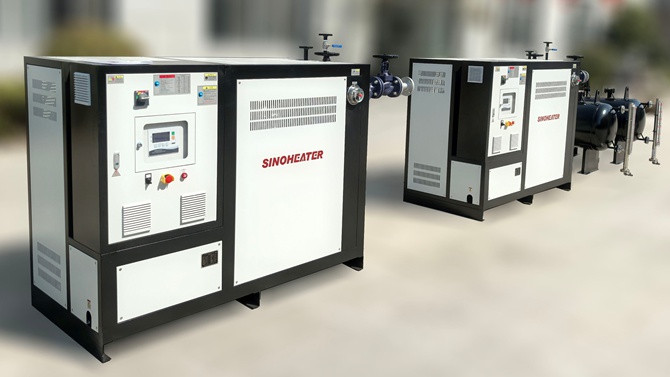
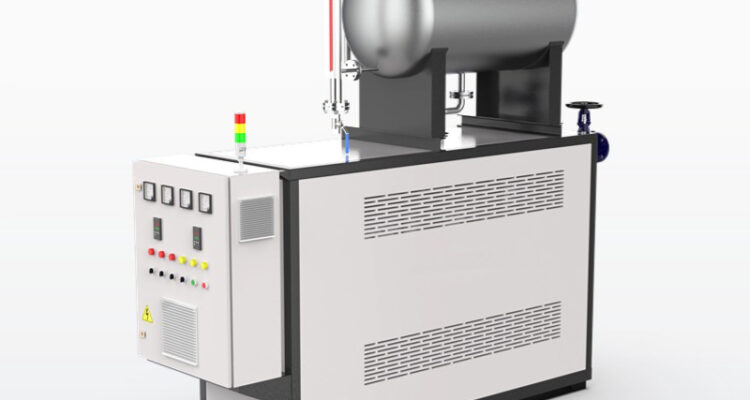
Asphalt plant operations rely on consistent, reliable high-temperature heat to keep aggregate drying, bitumen storage,…

thermal oil heater thermal oil safety management
Thermal oil safety management is one of the most critical ongoing responsibilities for any facility that operates a high-temperature thermal oil heater, and it directly impacts operational reliability, workplace safety, and equipment service life. Unlike many other common heat transfer media, thermal oil operates at far higher temperatures under normal working conditions, and even small lapses in routine management can create hidden risks that build up slowly over months of continuous operation. A structured, consistent safety management program does not just respond to incidents after they happen, it prevents them from developing in the first place by addressing every stage of the thermal oil lifecycle, from initial system commissioning all the way through to proper end-of-life disposal. This level of systematic oversight ensures the entire heating loop stays stable, compliant, and low-risk across thousands of operating hours.
System leak prevention and regular inspection routines
Thermal oil leaks are one of the most frequent starting points for serious safety incidents, and they are often allowed to grow from tiny, easy-to-miss seeps into larger, dangerous releases because they are overlooked during daily walkthroughs. Even a very small leak that goes unnoticed can be absorbed by porous thermal insulation material wrapped around piping and heater surfaces, creating a hidden layer of oil-soaked material that sits at high temperature for extended periods. Over time, this soaked insulation becomes a persistent fire hazard that is not visible during casual visual checks. Safety management protocols should include scheduled, detailed inspection of every flange connection, seal point, weld joint, and valve packing across the entire circulating loop, with extra focus on areas hidden under insulation. Any sign of even minor seepage should be addressed immediately, and contaminated insulation must be fully removed, cleaned, and replaced before the system resumes full temperature operation.
Thermal oil condition monitoring and degradation control
As thermal oil circulates through the heater at high temperature over long operating cycles, it undergoes slow, gradual chemical changes that alter its physical properties and reduce its safety margins. When the oil is consistently exposed to temperatures above its rated maximum operating threshold, it begins to break down, forming light volatile fractions, heavy polymeric residues, and solid carbon particles that circulate through the system. Volatile low-boiling components can create unexpected vapor pockets that disrupt flow stability and create unexpected pressure spikes, while solid carbon deposits stick to inner heater tube walls and act as an insulating layer that traps heat against the metal surface. Regular, scheduled laboratory analysis of circulating thermal oil tracks key parameters including acid number, viscosity, flash point, and residual carbon content, so operators can spot early signs of degradation long before they create dangerous operating conditions. Partial top-up or controlled full oil replacement can then be performed on a planned schedule, rather than as an emergency response to a sudden system fault.
Fire risk mitigation and operational discipline
Thermal oil systems carry unique fire safety characteristics that require specific, site-specific protocols that go far beyond general industrial fire safety rules. Because leaked thermal oil can auto-ignite at temperatures well below the normal operating temperature of the system, even a small release onto a hot surface can trigger ignition without any external open flame present. Safety management programs should ensure that no flammable debris, rags, or spare materials are ever stored anywhere near the thermal oil heater loop, and that all dedicated fire protection equipment for this specific area is selected and maintained to handle liquid fuel fires involving hot oil. Operational discipline also plays a huge role in reducing risk: no hot work should ever be performed on any part of the thermal oil system without full lockout, tagout, depressurization, and confirmed cooling down to a safe low temperature. These strict, non-negotiable rules eliminate the vast majority of preventable fire risks associated with thermal oil heater operation.
Proper used thermal oil handling and disposal procedures
When thermal oil reaches the end of its usable service life, safe management practices do not end when it is drained from the system. Degraded used thermal oil is classified as a controlled waste material that cannot be disposed of through regular waste streams, poured into drains, or dumped into general storage areas. Facilities must follow all local environmental regulatory requirements for proper collection, containment, and handover of waste thermal oil to authorized handlers, to prevent accidental soil or water contamination. During the draining process, operators must also take precautions to avoid skin contact with still-warm used oil, and ensure that no residual oil is left in open containers near high-temperature equipment or potential ignition sources. This final stage of the thermal oil lifecycle closes the safety loop completely, ensuring that even spent material does not create new hazards for staff, the facility, or the surrounding environment.
Related Posts