Asphalt plant operations rely on consistent, reliable high-temperature heat to keep aggregate drying, bitumen storage,…
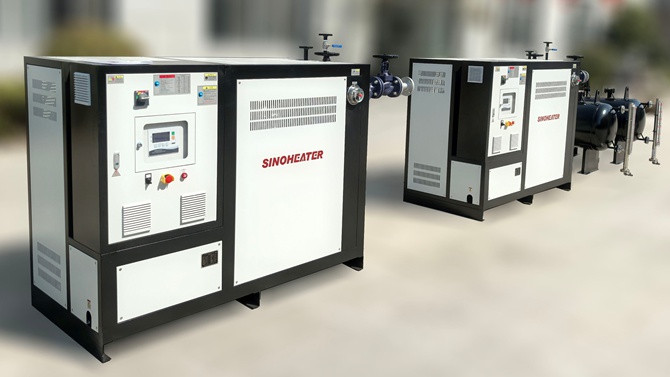
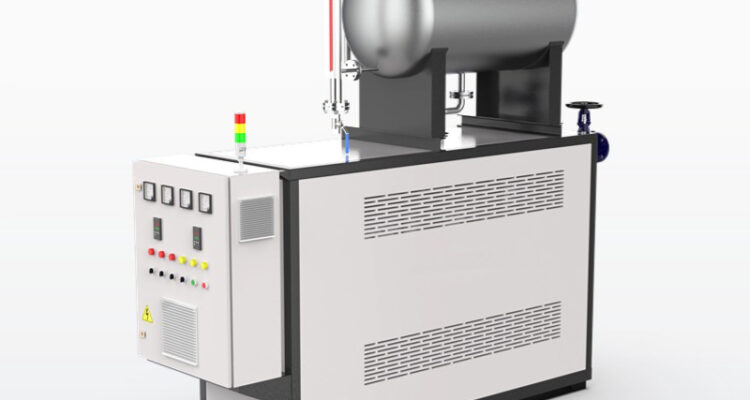
thermal oil heater process heating technology
Process heating forms the backbone of countless industrial operations, where consistent, controllable high-temperature output directly determines production efficiency, product quality, and overall system safety. Thermal oil heater technology has become a widely adopted solution for these demanding use cases, offering a way to deliver stable heat at elevated temperatures without the high system pressures that are required by traditional steam-based heating systems. This approach creates a more forgiving operating environment for complex industrial processes that demand precise, uniform heat distribution across large areas or multiple connected workstations.
Core operating logic of thermal oil heater process heating
This technology relies on a specially formulated heat transfer fluid that remains in a stable liquid state even at very high operating temperatures, eliminating the phase changes that come with water and steam systems. The fluid is circulated in a fully closed loop, moving through the heating unit where it absorbs thermal energy before traveling to heat exchangers, process tanks, or other target equipment to release stored heat. After transferring its heat to the production process, the cooled fluid flows back to the heater to be reheated, creating a continuous, closed cycle that minimizes energy loss and reduces unnecessary waste. This circulating design removes the need for constant water top-ups, condensate recovery, and the high-pressure rated piping and vessels that are mandatory for equivalent high-temperature steam systems.
Temperature control precision and system operational flexibility
One of the most distinct advantages of this process heating approach is its ability to maintain extremely stable, uniform temperature output across extended periods of continuous operation. Operators can set exact temperature targets within a wide working range, and the system will hold that value with minimal fluctuation, even when production load shifts up or down unexpectedly. Unlike steam systems that require complex pressure adjustments to change temperature, thermal oil based setups allow for smooth, gradual temperature transitions that prevent thermal shock to sensitive process equipment. This level of control makes the technology well suited for applications where even small temperature variations can compromise final product quality or disrupt carefully calibrated production workflows.
Long-term operational efficiency and maintenance advantages
When running at steady state, thermal oil heater process heating systems can maintain high thermal efficiency across years of regular use, with far fewer points of pressure-related stress than comparable steam heating installations. Since the system operates at relatively low pressure even at extreme working temperatures, the overall mechanical strain on piping, seals, and connected components is significantly reduced, lowering the risk of unexpected leaks or unplanned breakdowns. Routine maintenance work focuses primarily on monitoring fluid condition, checking circulation pump performance, and keeping heat transfer surfaces clear of buildup, tasks that can often be completed without full system disassembly. This streamlined maintenance profile helps minimize downtime and keeps the process heating system running reliably for long continuous production cycles.
Related Posts