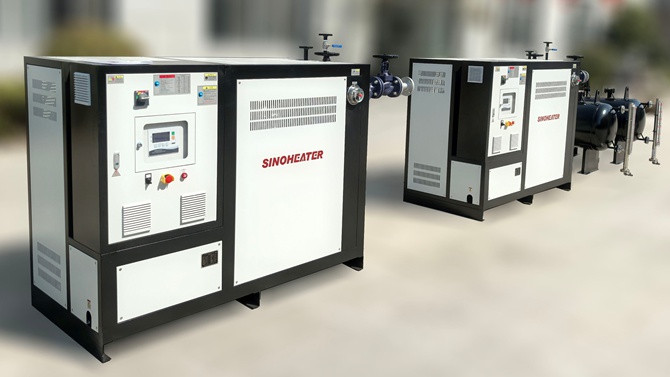
Asphalt plant operations rely on consistent, reliable high-temperature heat to keep aggregate drying, bitumen storage,…
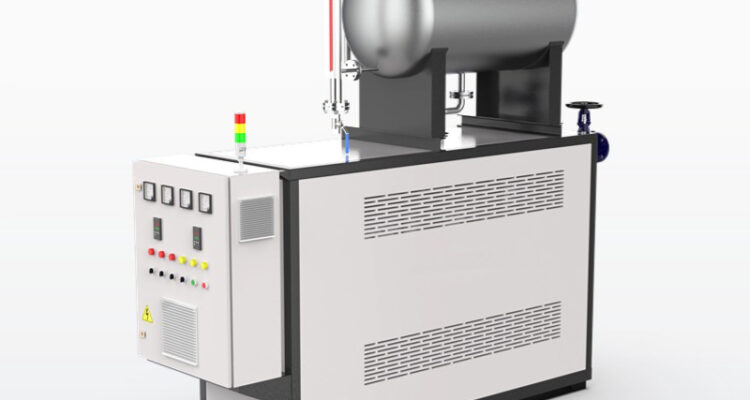
thermal oil heater industrial burner system
The industrial burner system is the core heat generation component of a thermal oil heater, directly determining combustion efficiency, output stability, and long-term operational safety across heavy industrial heating cycles. A well-configured burner setup works in seamless coordination with the rest of the thermal oil circulation loop, delivering consistent, controlled heat input that matches the real-time demands of the process heating workflow. Even small design or calibration flaws in this system can lead to incomplete fuel combustion, uneven heat transfer, unnecessary energy waste, and accelerated buildup of unwanted residue inside the heater unit.
Core structure and combustion flow of the burner system
Fuel is delivered to the combustion chamber through a carefully calibrated feed assembly, where it mixes with precisely regulated volumes of intake air to create an optimal air-fuel ratio before ignition. The combustion process releases concentrated thermal energy that is directed evenly across the heat transfer surfaces holding the circulating thermal oil, avoiding localized hot spots that could degrade the heat transfer fluid prematurely. Flue gases produced during combustion are guided through a structured flow path that maximizes secondary heat recovery before they are discharged out of the system, extracting as much usable thermal energy as possible from the burning process. Every component in this flow path is engineered to withstand sustained high-temperature exposure and repeated thermal cycling over thousands of operating hours.
Air-fuel ratio calibration for stable long-term operation
Accurate air-fuel ratio tuning is one of the most critical steps to keep the industrial burner system running at peak performance over extended continuous production runs. Too little intake air leads to incomplete combustion, excessive unburned fuel residue, and rapid soot buildup on internal heat transfer surfaces that blocks efficient heat movement. Too much excess air pulls unnecessary thermal energy out through the flue gas path, lowering overall system efficiency and making it harder to maintain consistent target temperatures for the thermal oil. Regular, scheduled calibration checks adjust the air and fuel feed volumes to match changes in fuel quality, ambient air temperature, and real-time process heating load, ensuring the burner maintains clean, stable combustion across all operating conditions.
Safety interlock and performance monitoring features
Modern industrial burner systems for thermal oil heaters are built with layered safety interlocks that prevent unsafe operating states before they can develop into serious operational risks. Flame detection sensors continuously verify that ignition has successfully completed and that a stable flame is maintained throughout the full combustion cycle, triggering an immediate safety shutdown if the flame extinguishes unexpectedly. Pressure and temperature monitoring points across the burner assembly track for abnormal operating conditions that could signal fuel blockages, airflow restrictions, or overheating inside the combustion chamber. These monitoring systems provide real-time operational data that lets operators spot small performance shifts early, before they escalate into unplanned downtime or costly system damage.
Related Posts