Asphalt plant operations rely on consistent, reliable high-temperature heat to keep aggregate drying, bitumen storage,…
thermal oil heater thermal oil system maintenance
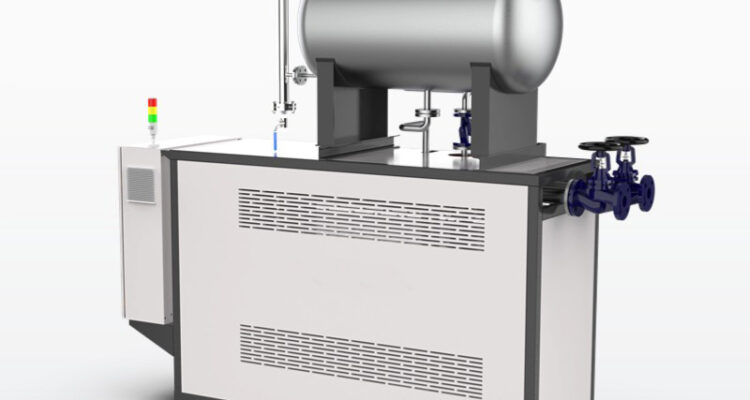
Thermal oil heater thermal oil system maintenance is a structured, ongoing set of operational practices that preserves long-term heat transfer efficiency, prevents unexpected unplanned downtime, and eliminates avoidable safety risks in high-temperature industrial heating loops. Even small, neglected issues like gradual oil degradation, minor seal leaks, or fouled heat transfer surfaces can compound over time, forcing the system to consume far more energy to hit target temperatures and eventually leading to sudden, costly mid-production failures. A consistent, well-documented maintenance routine keeps the entire thermal oil circulation loop operating reliably across thousands of continuous running hours.
Daily operational checks for early anomaly detection
Start each operating shift with a quick visual walkthrough of the full system to confirm no obvious signs of unexpected issues have developed since the last run.
Verify the thermal oil level in the expansion tank sits within the marked safe operating range, to ensure the circulation pump never draws in air that could create unstable flow and localized overheating.
Check all visible seal points, flange connections, and piping joints for faint traces of seeping thermal oil, as even the smallest leak will grow rapidly once the system reaches full high-temperature operating pressure.
Log the real-time inlet and outlet temperature difference across the heater, so you can spot subtle, gradual shifts in heat transfer performance long before they develop into major operational problems.
Periodic deep system cleaning and component inspection
At regular scheduled intervals that align with total system running hours, shut down the heater fully and let the entire loop cool down to a safe ambient temperature before opening any sealed sections for inspection.
Access the internal heat transfer surfaces to remove all accumulated carbonized oil residue, soot, and fouling that builds up over repeated high temperature operation, as this layered material acts as an insulating barrier that drastically cuts down heat transfer efficiency.
Inspect all gaskets, seals, and flexible connection points for signs of heat hardening, cracking, or material degradation, and replace any worn components before they fail and create unexpected leaks during full system operation.
Clean all filter elements installed in the circulation loop, removing trapped particulate matter and degraded oil sludge that could otherwise circulate through the system and scratch pump seals or block narrow flow passages.
Thermal oil condition monitoring and system calibration
Collect regular oil samples at defined intervals and send them for full laboratory analysis to track key properties including viscosity, total acid number, and residual carbon content, so you can identify early signs of thermal cracking and oxidation long before the oil loses its functional heat transfer properties.
Calibrate all temperature sensors, pressure gauges, and safety limit switches to make sure every reading the control system receives is fully accurate, preventing the heater from operating at unplanned temperatures that accelerate oil degradation and create safety hazards.
Inspect the burner assembly and combustion air flow path to confirm fuel and air are mixing at the correct ratio, ensuring complete, clean combustion that maximizes heat output to the thermal oil loop and minimizes waste buildup on the heat exchanger surfaces.
Check all external piping and system insulation for signs of damage, wear, or missing sections, so no unnecessary heat loss escapes to the surrounding environment and the system can maintain stable operating temperatures with minimal excess energy consumption.
Related Posts