Asphalt plant operations rely on consistent, reliable high-temperature heat to keep aggregate drying, bitumen storage,…

thermal oil heater high temperature process heating
High temperature process heating forms the backbone of countless industrial operations, where consistent, precise heat delivery directly impacts product quality, production efficiency, and overall system safety. Unlike steam or hot water systems that require extreme pressure to reach elevated temperature ranges, thermal oil heater systems operate at relatively low system pressure while delivering stable heat output far above the practical limits of conventional water-based heating loops. This characteristic makes them a widely adopted solution for processes that demand reliable, uniform high-temperature heat across extended continuous production cycles.
Thermal Fluid Performance Characteristics at Elevated Operating Temperatures
The heat transfer medium inside these systems maintains stable flow properties and low vapor pressure even when heated to 300 degrees Celsius and beyond. This eliminates the need for the heavy, high-pressure rated vessels and complex condensate handling infrastructure that steam systems require to reach equivalent temperature levels. The low vapor pressure at operating temperature also significantly reduces the risk of sudden, explosive phase change failures that can occur in overheated water-based heating circuits.
Well-formulated thermal oil retains consistent viscosity across wide temperature ranges, ensuring smooth, continuous circulation through every section of the heating loop. This steady flow behavior creates uniform heat distribution across all connected process equipment, eliminating localized hot spots that can cause material degradation, product discoloration, or uneven curing in temperature-sensitive production workflows. Operators can maintain exact temperature setpoints within very narrow tolerances across days of non-stop operation.
Thermal fluids also carry a much higher heat carrying capacity per unit volume compared to many alternative heat transfer media, reducing the required flow rate to deliver the same amount of process heat. This lowers the energy demand for circulation pumps and reduces overall system parasitic power consumption, creating a more energy efficient heating solution for facilities that run high temperature processes 24 hours a day.
System Design Principles for Stable High-Temperature Heat Delivery
A properly configured thermal oil heating circuit separates the heat generation section from the process application side through carefully designed flow and temperature control logic. This structure prevents sudden load changes on the process side from creating thermal shock conditions that could damage the heating source or introduce unstable temperature fluctuations into production. The radiant and convection heat transfer sections inside the heater are arranged to maximize gradual, even heat absorption by the circulating fluid, avoiding any point where thermal oil could be trapped and overheated to its degradation threshold.
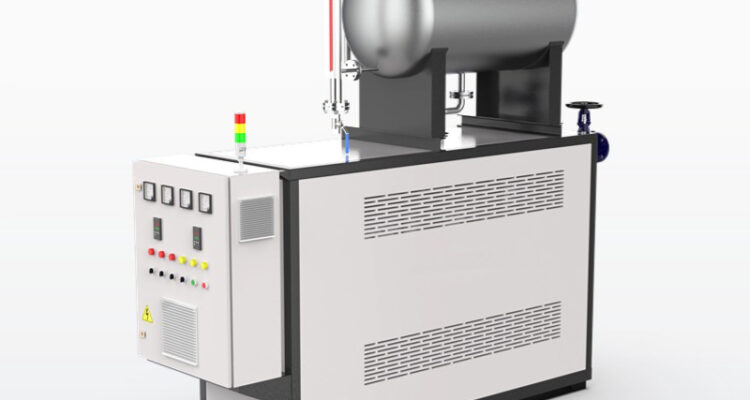
Expansion tank design plays a critical safety role in high temperature operation, accommodating the significant volume increase that occurs when thermal oil heats up from ambient to full operating temperature. This component is positioned at the correct elevation in the system to maintain consistent positive pressure at the circulation pump inlet, preventing cavitation that would disrupt smooth flow and introduce damaging bubbles into the heating loop. Proper venting of dissolved air and volatile vapors from the expansion tank also slows down fluid oxidation degradation and extends the service life of the heat transfer medium.
System piping layout follows strict gradient and support rules to eliminate low points where heavy residual carbon could settle after long periods of operation, and high points where trapped vapor could create flow blockages. All pipe runs are arranged with controlled thermal expansion compensation to avoid mechanical stress buildup as metal components heat up and cool down during regular start-up and shutdown cycles. This careful layout prevents unexpected piping leaks and extends the reliable service life of the entire high temperature circuit.
Operational Control and Long-Term Thermal Stability Management
Start-up procedures for high temperature thermal oil systems follow a gradual staged heating ramp, rather than applying full heat output immediately from cold conditions. This slow temperature rise drives off any residual moisture and light volatile compounds trapped inside the fluid and piping at a controlled rate, avoiding sudden foaming or vapor release events that could disrupt circulation stability. Operators monitor exhaust gas temperature, fluid outlet temperature, and pump pressure differential across the entire warm-up phase to confirm every parameter stays within safe limits.
Regular monitoring of thermal oil condition through scheduled laboratory testing tracks changes in viscosity, total acid number, and carbon residue content over time. These readings provide clear early warning signs of fluid degradation that occurs naturally after extended exposure to high operating temperatures. Detecting these changes early allows operators to perform partial fluid top-up or targeted system cleaning before degraded fluid creates fouling deposits on internal heat transfer surfaces that reduce overall system efficiency.
Precise temperature control logic modulates heat output and circulation flow to match real-time process heating demand, rather than running at maximum firing rate continuously. This dynamic adjustment avoids unnecessary overheating cycles that accelerate fluid aging and waste fuel, while still maintaining the exact stable high temperature required for consistent product quality. When properly maintained, these systems can deliver thousands of hours of reliable high temperature process heating with minimal unplanned interruption.
Related Posts