Asphalt plant operations rely on consistent, reliable high-temperature heat to keep aggregate drying, bitumen storage,…
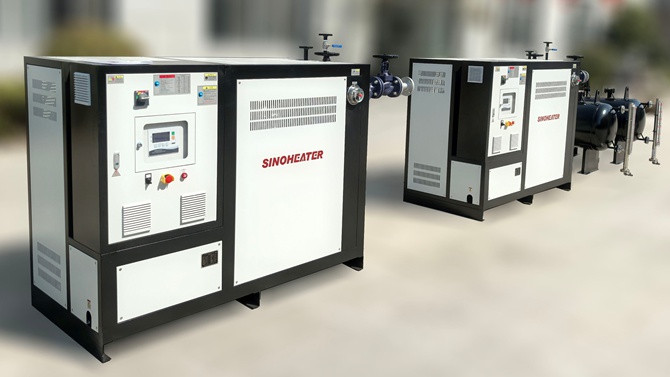
electric thermal oil heater for chemical reactor heating
Heating chemical reactors reliably and consistently is one of the most demanding process challenges in industrial operations, where even small temperature fluctuations can disrupt reaction stability, reduce final product quality, or create unexpected safety risks. Electric thermal oil heater systems have become a widely adopted solution for this application, because they deliver precise, uniform heat across the full reactor vessel without the temperature swings and uneven distribution that often come with older direct heating methods. This approach creates a stable, controlled thermal environment that works for everything from small lab-scale test reactors to large industrial production vessels running continuous 24/7 cycles.
Unlike steam or direct flame heating setups, these systems transfer heat through a closed loop of thermal fluid that circulates evenly around the entire reactor jacket. This eliminates hot spots that can cause localized overheating of sensitive reaction materials, and removes the risk of high-pressure steam leaks or open flame exposure near volatile chemical process streams.
Core thermal performance benefits for reactor processes
The most critical advantage of this setup is its ability to maintain extremely tight, stable temperature control across the full duration of the chemical reaction. The circulating thermal oil distributes heat uniformly across every section of the reactor jacket, so there are no cold zones where reaction rates slow down unexpectedly, and no overheated spots that can degrade raw materials or trigger unwanted side reactions. This level of consistency is especially valuable for multi-stage synthesis processes where even a 2 to 3 degree temperature shift can completely alter the final chemical composition of the output.
These systems also operate with near total heat containment in a closed loop, which minimizes the amount of energy lost to the surrounding ambient environment. Almost all the generated heat transfers directly into the thermal fluid and then into the reactor, instead of escaping through exhaust vents or uninsulated piping. This high efficiency stays consistent even when you need to hold a steady high temperature for many hours of continuous reaction time, with no unexpected efficiency drop over long operating cycles.
Design compatibility with varied reactor configurations
Electric thermal oil heater systems can be adapted to fit almost any reactor layout, from small bench-top glass lab units to large multi-ton steel production vessels. The circulation loop can be routed to match custom jacket geometries, half-pipe welded jackets, or external plate heat exchangers that connect to the reactor, so you never have to completely rework your existing reactor infrastructure to integrate the heating system. This level of flexibility also works for reactors that run both heating and cooling cycles, because the same thermal oil loop can be connected to a separate cooling exchanger to bring the reactor temperature down smoothly after the reaction completes.
For multi-reactor facilities, a single well-sized central system can distribute controlled heat transfer fluid to every individual reactor unit, with independent flow and temperature regulation for each separate vessel. This lets every reactor run at its own unique setpoint, even if they are all processing completely different chemical formulations at the same time. This shared loop layout also cuts down on redundant equipment, piping, and maintenance work compared to running a separate dedicated heating unit for every single reactor.
Operational safety for high-risk chemical processing
One of the biggest operational advantages of this system for chemical reactor heating is that the electric heating elements sit completely isolated from the chemical process stream itself. The entire heat transfer path stays sealed inside the closed thermal oil loop, so there is zero risk of process fluid leaking into a heating element, or exposed electrical components coming into contact with volatile or corrosive chemical materials. This design eliminates a huge number of common safety hazards that come with other reactor heating methods.
Built-in over-temperature cutoffs, flow interlocks, and pressure relief sensors monitor every critical parameter of the loop in real time. If thermal oil flow drops below the safe minimum threshold, the system automatically cuts power to the heating elements immediately to prevent overheating and fluid degradation. These interlocks are configured to fail in a safe state, so even in the event of a sudden power loss or system fault, the circulation pump can keep running to dissipate residual heat away from the reactor jacket, preventing dangerous unintended temperature spikes.
Long-term reliability and low maintenance operation
These systems are built to run continuously for thousands of operating hours with very minimal routine intervention. The closed thermal oil loop stays completely sealed from ambient air, which drastically slows down oxidation and degradation of the heat transfer fluid, extending the service life of the oil and reducing the frequency of fluid top-offs or full replacements. Most routine maintenance work only involves checking filter condition, verifying circulation pump performance, and confirming temperature sensor calibration during scheduled downtime.
There are no burners to clean, no fuel lines to inspect, and no exhaust stacks to maintain, which eliminates a huge amount of the regular servicing work that comes with fuel-fired heating systems. This reduces unplanned downtime risk, and lets your maintenance team focus their time on other critical process equipment across the facility instead of spending hours on heating system upkeep every week.
Process optimization for precise heat transfer
To get the most consistent performance out of the system, you can tune the circulation flow rate to match the exact heat demand of your specific reactor process. A properly calibrated flow rate ensures that the temperature difference between the inlet and outlet of the reactor jacket stays very small, which creates perfectly even heat distribution across the entire vessel surface. This eliminates the temperature gradient that can form across the jacket when flow is too low, which often causes inconsistent reaction results from batch to batch.
You can also program gradual, controlled temperature ramp rates for each stage of your reaction cycle, so the reactor heats up slowly and evenly instead of being shocked with a sudden burst of high heat. This controlled ramp prevents thermal stress on the reactor vessel itself, extends the working life of your expensive reaction hardware, and ensures the chemical process follows the exact intended heating profile without any unexpected deviations.
Emission reduction for sustainable facility operation
Switching to electric thermal oil heating for reactor processes eliminates all on-site combustion emissions that come from traditional fuel-fired heating equipment. There are no flue gases, no exhaust particulates, and no volatile combustion byproducts released anywhere near the chemical processing area, which simplifies facility environmental compliance and improves overall workplace air quality. This electrified heating setup also makes it far easier to align your process operations with long-term facility decarbonization goals, as you can pair the system with low-carbon electricity sources to drastically reduce the overall carbon footprint of your chemical production line.
Over time, this cleaner, more controlled heating approach creates a more stable, predictable production environment where reaction results stay consistent batch after batch, and unexpected process disruptions linked to unstable heating become extremely rare. The system’s inherent flexibility also means you can adjust it easily as your production needs change, adding new reactors or shifting to new reaction formulations without needing a full overhaul of your core heating infrastructure.
Related Posts