Pharmaceutical drying processes demand extremely consistent, contamination-free thermal output that never deviates outside tightly controlled…
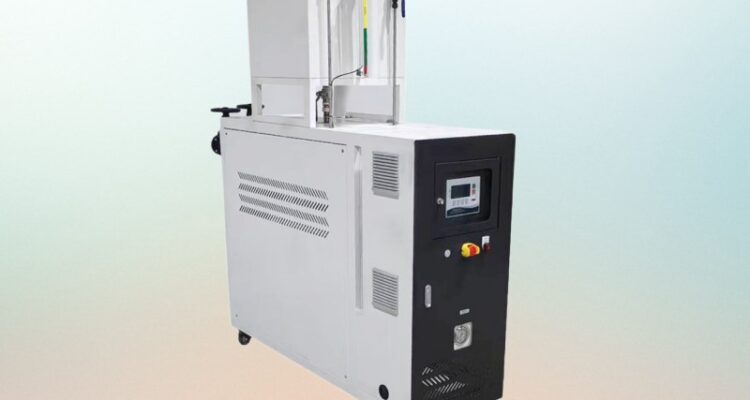
biomass thermal oil heater for plywood pressing
Biomass thermal oil heater systems have become a widely adopted heating solution for plywood pressing operations, as they address many of the longstanding pain points that come with traditional high-pressure steam heating setups. Plywood production requires consistent, evenly distributed high heat across every hot press cycle to ensure veneer layers bond properly, reduce internal delamination, and minimize the rate of defective finished panels. Unlike systems that rely on steam to carry heat, thermal oil systems operate at much lower pressure while still reaching the high working temperatures needed for consistent plywood pressing. This fundamental design difference creates a safer, more stable heating environment that aligns closely with the continuous, high-demand operating rhythm of most wood processing facilities.
Waste fuel utilization and on-site resource integration
Plywood factories generate large volumes of organic waste every single day, including sawdust, wood scraps, bark, and trimmed veneer offcuts that would otherwise need to be hauled away for disposal. A properly configured biomass thermal oil heater is designed to burn these local waste streams directly as fuel, eliminating the need to purchase and transport large volumes of external commercial fuel. The combustion chamber structure is optimized to handle the wide range of moisture content and varying particle sizes that come from raw wood waste, so even material that would be unsuitable for other types of biomass systems can be processed efficiently. This turns what was once a costly waste management burden into a low-cost, on-site energy source that fits naturally into the existing workflow of a wood processing plant.
Heat transfer stability and pressing quality control
Thermal oil circulates in a fully closed, forced loop that carries heat evenly from the combustion chamber directly to every hot press platen. Unlike steam systems that can experience uneven temperature drops as condensate builds up in the lines, the circulating fluid maintains a consistent temperature across every connected heating surface. This level of uniform heat distribution ensures every section of the plywood panel receives exactly the same amount of thermal energy during the pressing cycle, eliminating the common defects caused by hot spots or cold zones across the platen. Operators can adjust the working temperature in small, precise increments to match different veneer types, adhesive formulas, and panel thickness requirements, giving them far tighter control over the final pressing result.
Low-pressure operation and site safety optimization
Because thermal oil can reach high working temperatures without requiring extreme system pressure, the entire heating circuit runs at a far safer operating pressure than a comparable high-temperature steam boiler. This reduces the risk of sudden, high-pressure system failures that can pose serious hazards to plant personnel and nearby equipment. The lower operating pressure also reduces the thickness requirement for piping and vessel walls, and simplifies many of the routine inspection and compliance procedures that come with high-pressure steam systems. Facilities located in areas with limited on-site boiler room space can also arrange the system layout more flexibly, since the low-pressure design removes many of the strict spatial separation rules that apply to traditional high-pressure heating equipment.
Flue gas management and emission control
Modern biomass thermal oil heater systems are built with multi-stage flue gas treatment paths that capture fine particulate matter before exhaust is released to the atmosphere. The flow path inside the combustion chamber is optimized to extend the residence time of hot flue gases, ensuring almost complete burnoff of volatile organic compounds before the gas moves through the dust removal stages. This drastically reduces the amount of unburned particles and smoke released from the stack, helping the operation meet strict local environmental emission standards. The consistent, high-temperature combustion zone also minimizes the formation of incomplete combustion byproducts that are common in poorly optimized small-scale wood burning systems.
System integration and continuous production adaptability
The thermal oil heater can be connected to multiple pieces of process equipment across the plywood plant, not just the main hot presses. The same circulating loop can deliver consistent heat to veneer dryers, glue preparation tanks, and other temperature-dependent process points across the facility, creating a single unified heating system that serves the full production line. Advanced control logic automatically adjusts combustion intensity and oil circulation speed to match real-time heating demand, so the system ramps up and down smoothly as presses cycle on and off through the production day. This level of flexible load adaptation ensures no excess energy is wasted during periods of lower production, and the system can maintain stable output even during long, non-stop 24-hour operation cycles common in large plywood manufacturing facilities.
Routine maintenance and long-term operational reliability
Daily and weekly maintenance tasks for this type of system are structured to fit the limited downtime windows common in continuous production environments. Operators can perform regular ash removal, heat exchanger surface cleaning, and fuel feed system checks during short scheduled production breaks, without needing full system cool-down that lasts multiple shifts. The closed thermal oil circuit stays largely isolated from outside air and contaminants, so the heat transfer fluid can remain stable and in good working condition for many years with only minimal periodic testing and top-ups. This reduces unexpected unplanned downtime, and helps the system maintain its original high thermal efficiency far longer than many alternative heating solutions.
Related Posts