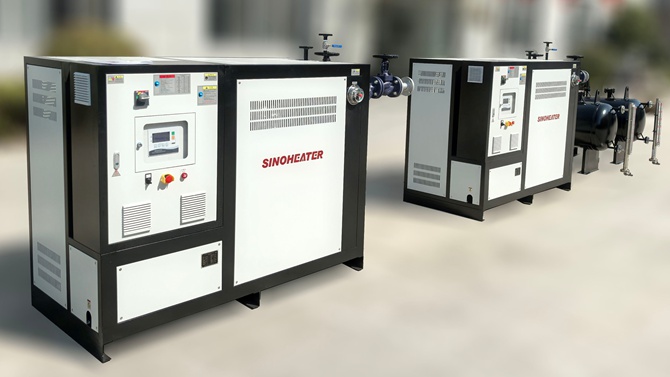
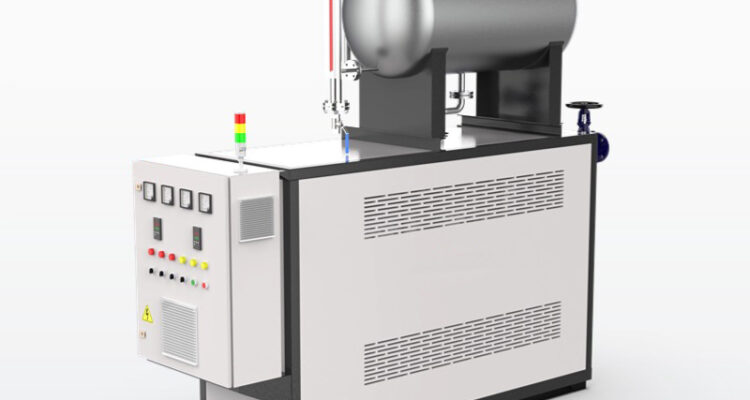
Asphalt plant operations rely on consistent, reliable high-temperature heat to keep aggregate drying, bitumen storage,…
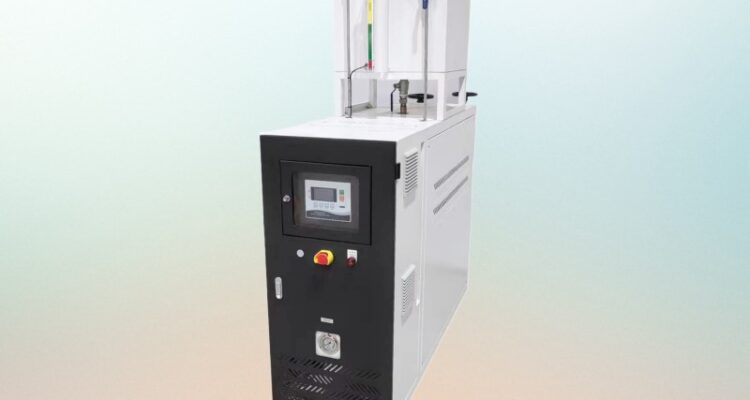
thermal oil heater burner ignition system
The burner ignition system of a thermal oil heater forms the critical first step in establishing stable, controlled heat transfer across the entire closed-loop heating circuit. Even minor inconsistencies in ignition sequence, flame detection, or fuel delivery can lead to failed startup events, unplanned system shutdowns, or incomplete combustion that reduces overall thermal efficiency over time. Understanding how the system operates and how to maintain its consistent performance helps operators avoid unnecessary downtime and keep the heater running reliably through long continuous operation cycles.
Pre-Startup Inspection and Safety Verification
Before initiating any ignition attempt, perform a full purge cycle to clear any accumulated unburned fuel vapors from the combustion chamber and flue gas passages. This process runs for a fixed, pre-determined duration to ensure no residual combustible mixture remains inside the unit, eliminating the risk of unexpected flashback during the ignition sequence.
Inspect all visible wiring connections leading to the ignition electrode, flame sensor, and fuel control valve to confirm they are tight, free of corrosion, and protected from excessive heat exposure near the combustion zone. Loose or degraded connections are one of the most common hidden causes of intermittent ignition faults that are difficult to diagnose during later operation.
Check the condition of the ignition electrode tip, and clean off any light layer of carbon buildup or oxide residue that has formed from previous operation. The precise gap between the electrode tip and the burner head must be maintained within the correct range to ensure a strong, consistent spark can form at the exact moment the fuel valve opens.
Controlled Ignition Sequence Execution
Initiate the startup sequence only after the full pre-purge cycle has completed, and confirm the ignition spark establishes for several seconds before the main fuel valve opens. This timed sequence ensures the spark is fully present and stable before any fuel enters the combustion chamber, preventing unlit fuel from accumulating inside the unit.
Observe the flame behavior immediately after ignition takes place, to confirm it forms a stable, concentrated core that does not waver, lift off the burner face, or produce thick plumes of dark smoke. A properly formed flame will burn evenly across the full burner surface, with no visible hot spots that could cause localized overheating inside the combustion chamber.
Monitor the flame detection signal continuously in the first 30 seconds after successful ignition, to make sure the sensor maintains a clear, consistent reading of the flame across the full initial ramp-up phase. If the signal drops below the acceptable threshold at any point during this period, the system should trigger a safe lockout state to stop fuel flow and prevent unburned fuel from building up inside the chamber.
Gradually ramp up the heater’s firing rate in small, steady increments, rather than jumping immediately to full output. This slow ramp gives the thermal oil circulating through the heater coils time to absorb heat evenly, avoiding sudden thermal stress on the burner and combustion chamber components that can shorten service life over repeated cycles.
Post-Ignition Stability Monitoring and Routine Maintenance
After the system reaches normal operating temperature, check the ignition system’s supporting components at regular scheduled intervals to catch small issues before they lead to unplanned shutdowns. Wipe down the flame sensor surface gently with a clean, non-abrasive cloth during every planned maintenance stop, to remove any thin layer of dust or combustion residue that could block its ability to detect the flame reliably.
Inspect the fuel supply line filter and strainer at regular intervals, and clear away any accumulated debris that could restrict consistent fuel flow to the burner. Even small amounts of trapped particulate matter can disrupt the fuel spray pattern at the nozzle, leading to weak, unstable flames that cause repeated ignition faults during subsequent startup attempts.
Document every ignition event, lockout occurrence, and maintenance action related to the system in a dedicated operational log. Tracking these details over time helps identify subtle recurring patterns, such as ignition faults that only appear under specific ambient temperature conditions, that would otherwise be impossible to spot through casual observation.
Related Posts