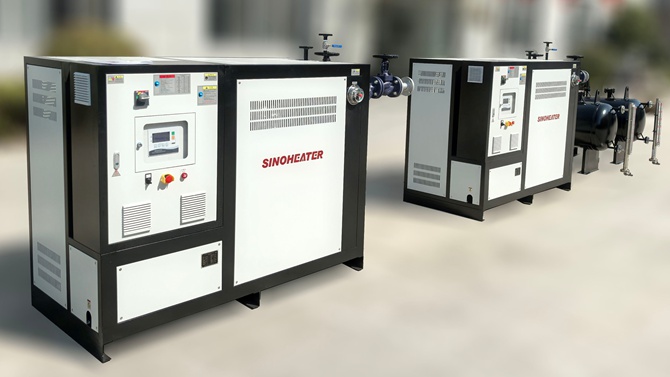
Asphalt plant operations rely on consistent, reliable high-temperature heat to keep aggregate drying, bitumen storage,…
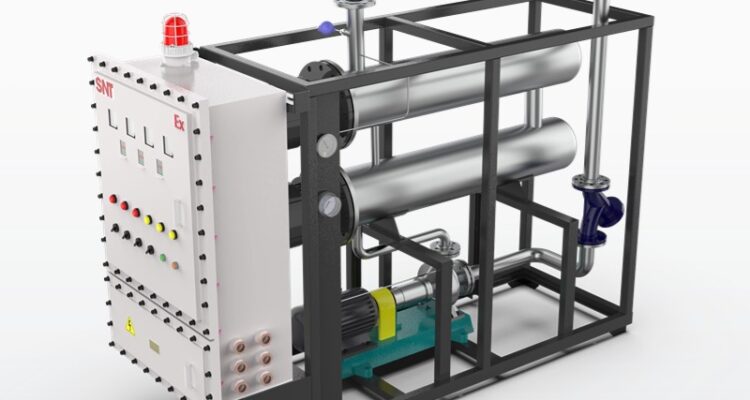
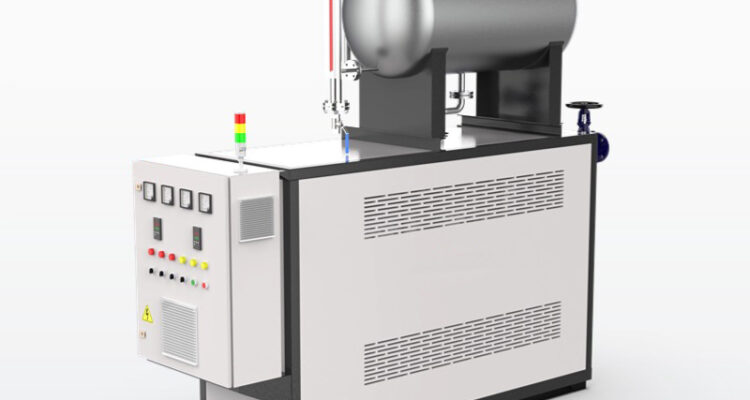
thermal oil heater for food processing
Thermal Oil Heater for Food Processing
A thermal oil heater for food processing is widely used in industrial food manufacturing because it provides stable and efficient high-temperature heating for continuous production operations. Food processing facilities often require accurate thermal control, consistent heat distribution, and reliable heating performance to maintain product quality and production efficiency.
Compared with traditional steam heating systems, thermal oil heating offers stable temperature management under relatively low operating pressure. This makes thermal oil systems suitable for a wide range of food production applications.
Why Food Processing Facilities Use Thermal Oil Heaters
Food manufacturing processes often depend on controlled heating conditions for cooking, drying, sterilizing, and baking operations.
Stable Temperature Control
Consistent temperature is important in food production because unstable heating may affect texture, flavor, moisture content, and overall product quality.
Thermal oil circulation systems provide uniform heat transfer that supports stable production conditions throughout the manufacturing process.
High Temperature Heating Capability
Thermal oil heaters can achieve elevated operating temperatures without excessive system pressure.
This operating characteristic helps:
- Improve heating stability
- Reduce pressure-related stress
- Support continuous production
- Maintain safer industrial operation
High-temperature heating is commonly required in frying systems, roasting equipment, and industrial ovens.
Uniform Heat Distribution
Continuous thermal oil circulation allows heat to spread evenly across processing equipment.
Uniform heating helps prevent:
- Uneven cooking
- Product discoloration
- Surface burning
- Inconsistent moisture removal
Stable heat transfer improves production consistency in large-scale food manufacturing.
Common Food Processing Applications
Thermal oil heating systems are used across many areas of industrial food production.
Industrial Frying Systems
Large-scale frying equipment requires stable oil temperature to maintain food quality and production efficiency.
Thermal oil heaters help regulate heat during the frying of:
- Snack foods
- Frozen products
- Processed meat products
- Fried dough products
- Seafood products
Accurate temperature control helps maintain consistent product appearance and texture.
Baking and Roasting Equipment
Industrial baking and roasting operations rely on controlled heating conditions for stable production performance.
Thermal oil systems support:
- Bakery production lines
- Biscuit processing
- Nut roasting
- Coffee roasting
- Grain heating operations
Consistent thermal conditions improve product uniformity during continuous processing.
Food Drying Processes
Many food products require controlled drying to reduce moisture content while preserving product quality.
Thermal oil heaters are commonly used in:
- Fruit drying systems
- Vegetable dehydration
- Grain drying
- Powder processing
- Food ingredient production
Stable heat transfer helps improve drying efficiency and reduce product damage.
Sterilization and Heating Systems
Food sterilization processes often require controlled high-temperature heating to maintain hygiene and safety standards.
Thermal oil systems provide reliable heat for industrial sterilization equipment and processing tanks.
Main Components of a Thermal Oil Heating System
Several important components work together to support stable food processing operation.
Heater Body and Coil System
The heater body contains the coil where thermal oil absorbs heat generated by the combustion system.
The heated fluid then circulates through food processing equipment to provide continuous thermal energy.
Circulation Pump
The circulation pump maintains steady oil flow throughout the heating network.
Stable circulation helps:
- Improve heat transfer efficiency
- Prevent localized overheating
- Maintain consistent temperature
- Support continuous operation
Reliable flow conditions are essential for food production stability.
Temperature Control System
Automatic temperature control systems help regulate thermal oil temperature according to processing requirements.
Temperature monitoring improves:
- Product consistency
- Heating precision
- Energy efficiency
- Operational safety
Accurate thermal control is especially important in temperature-sensitive food applications.
Expansion Tank
The expansion tank accommodates thermal oil expansion during heating and helps stabilize operating pressure inside the system.
Proper expansion control supports safe long-term operation.
Energy Efficiency in Food Processing Heating
Energy consumption is an important consideration in industrial food manufacturing.
Reduced Heat Loss
Well-insulated pipelines and heating equipment help minimize heat loss during continuous production.
Improved insulation supports lower fuel consumption and better energy utilization.
Efficient Heat Transfer
Thermal oil systems transfer heat directly through circulation rather than steam condensation.
Efficient heat transfer helps improve thermal performance while reducing unnecessary energy waste.
Flexible Load Adjustment
Food production demand may vary during different processing stages.
Automatic control systems adjust burner output according to heating demand, helping improve operational efficiency during variable load conditions.
Food Safety and Operational Stability
Food processing environments require reliable and hygienic heating systems.
Stable Product Quality
Accurate temperature regulation helps maintain consistent product texture, appearance, and moisture content.
Stable thermal conditions are important for reducing production defects and improving manufacturing reliability.
Prevent Overheating
Excessive heating may damage food products and accelerate thermal oil degradation.
Continuous temperature monitoring helps reduce overheating risk and maintain safer processing conditions.
Maintain Clean Heat Transfer Surfaces
Carbon buildup and contamination inside heating equipment may reduce thermal efficiency and affect operational stability.
Routine cleaning helps preserve heat transfer performance throughout the production system.
Monitor Thermal Oil Condition
Thermal oil quality affects both heating efficiency and operational safety.
Regular oil analysis helps detect:
- Oxidation
- Sludge formation
- Contamination
- Reduced thermal conductivity
Maintaining good oil condition supports stable food processing operation.
Advantages of Thermal Oil Heaters in Food Manufacturing
Thermal oil heating systems offer several operational benefits for industrial food production.
Continuous High-Temperature Operation
Thermal oil heaters can maintain stable high-temperature heating during long production cycles.
Lower Operating Pressure
High temperatures can be achieved without excessive pressure, helping improve operational safety within food processing facilities.
Precise Process Heating
Accurate temperature control supports consistent food quality and efficient production performance.
Reduced Maintenance Requirements
Closed-loop thermal oil systems experience less corrosion and moisture-related damage compared with some traditional heating methods.
Important Maintenance Considerations
Routine maintenance helps maintain heating performance and food production stability.
Inspect Burner Performance
Efficient combustion improves thermal efficiency and reduces fuel waste.
Check Pump Operation
Stable circulation helps maintain even heat distribution across processing equipment.
Monitor Insulation Condition
Damaged insulation increases heat loss and energy consumption during operation.
Clean Exhaust and Heating Components
Removing soot and carbon deposits helps maintain stable combustion and efficient heat transfer throughout the system.
Related Posts