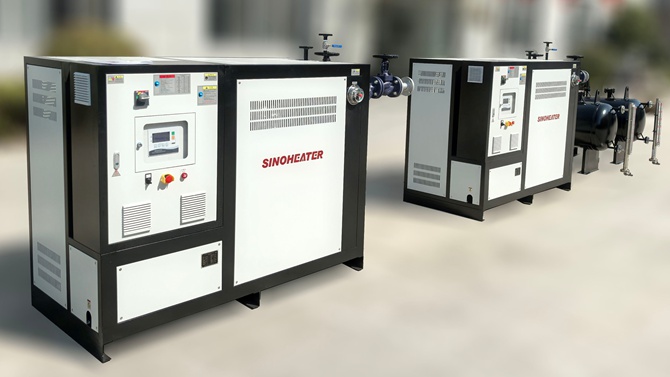
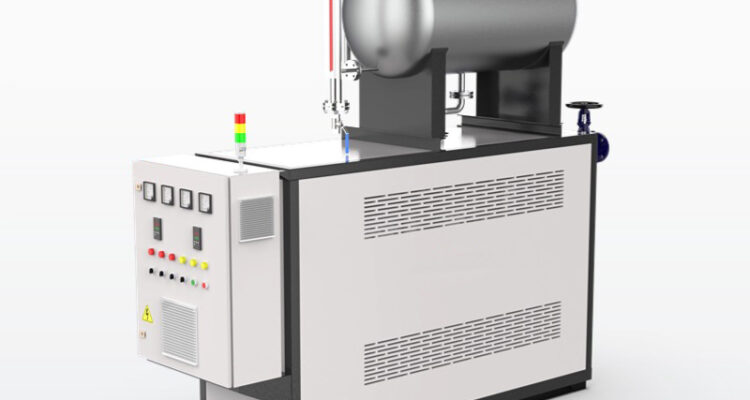
Asphalt plant operations rely on consistent, reliable high-temperature heat to keep aggregate drying, bitumen storage,…
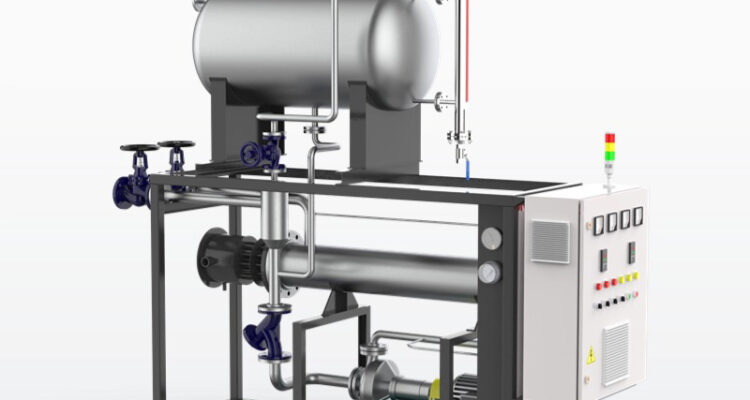
thermal oil heater fuel combustion analysis
Fuel combustion analysis for thermal oil heater systems focuses on evaluating how effectively fuel energy is converted into usable heat that transfers to the circulating thermal fluid. This process directly impacts overall operational efficiency, emissions output, and long-term stability of the entire heating loop. By breaking down every stage of the combustion sequence, operators can identify subtle inefficiencies that reduce heat delivery and increase unnecessary fuel consumption over time.
Core parameters of complete combustion assessment
The first step in any thorough combustion analysis is measuring the ratio of fuel to oxygen across different load conditions. Properly balanced combustion ensures that fuel molecules break down completely, releasing their full thermal energy without leaving unburned residues inside the combustion chamber. Technicians track temperature profiles along the flame path to confirm heat is distributed evenly across the heater’s heat transfer surfaces, rather than concentrating in small, localized zones that cause premature material wear. They also monitor byproduct composition in exhaust streams to spot incomplete reaction patterns that signal poor mixing or incorrect airflow adjustment.
Flame stability and heat transfer matching
A stable, well-formed flame maintains consistent shape and position throughout changes in heater load, preventing sudden fluctuations in heat output that disrupt thermal fluid temperature uniformity. When flame characteristics drift outside optimal ranges, portions of the heat transfer coil receive too much or too little thermal radiation, creating uneven thermal stress across the heater body. Combustion analysis maps these flame behavior patterns against real-time thermal fluid outlet temperatures to fine-tune the relationship between fuel input and actual heat absorbed by the circulating medium. This alignment eliminates wasted energy that would otherwise escape through the exhaust stack without contributing to the intended heating process.
Regular combustion tuning and operational optimization
Routine combustion analysis sessions are performed during scheduled maintenance windows, as well as after any major operational adjustment or extended period of high-load operation. Technicians adjust airflow distribution, fuel delivery timing, and mixing ratios to adapt for changes in ambient air conditions, fuel quality variations, or gradual buildup of deposits on heat transfer surfaces. Small, incremental adjustments made based on measured combustion data often deliver measurable improvements in fuel efficiency without requiring major equipment modifications. These regular assessments also help detect early signs of component wear that could lead to unexpected performance drops if left unaddressed.
Impact of combustion performance on system lifespan
Poorly optimized combustion creates sustained high-temperature zones and corrosive byproducts that accelerate degradation of combustion chamber liners, burner components, and heat transfer coils over thousands of operating hours. Consistent combustion analysis and tuning keep operating temperatures within design limits, reducing thermal fatigue and extending the reliable service life of the entire thermal oil heater system. By minimizing unburned particulate buildup on internal surfaces, this practice also preserves heat transfer efficiency, preventing gradual performance decay that would otherwise force operators to increase fuel input to maintain the same thermal output. Even small improvements in combustion completeness accumulate into significant long-term operational benefits for continuous industrial heating processes.
Related Posts