Asphalt plant operations rely on consistent, reliable high-temperature heat to keep aggregate drying, bitumen storage,…
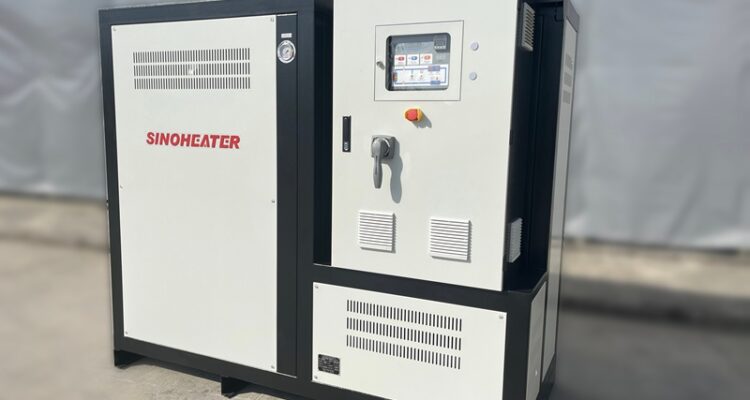
thermal oil heater fuel system inspection
Thermal oil heater fuel systems operate under consistent high-temperature conditions that create gradual, hard-to-spot wear across every component, even when the unit appears to run smoothly on the surface. Small unaddressed issues in this system can escalate into unexpected efficiency drops, unplanned shutdowns, or unnecessary stress on the entire heater assembly. A structured, regular inspection routine catches these subtle signs early, preserves stable long-term operation, and avoids preventable operational disruptions.
Fuel line integrity and leak path detection
Every section of the fuel line, from the storage connection point all the way to the burner inlet, is inspected along its full length for subtle signs of wear. Technicians look for faint discoloration around connection flanges, slight wet residue on line surfaces, and minor deformation from repeated thermal expansion and contraction cycles. Even the smallest leak path that releases only a tiny amount of fuel vapor can create a gradual buildup of combustible material in enclosed spaces, so every joint, weld, and threaded connection is checked with consistent, methodical attention to avoid missing faint, easy-to-overlook warning signs.
Fuel filter element condition and flow restriction assessment
The filter element inside the fuel circuit traps fine particulate and sediment that would otherwise travel downstream and interfere with precise fuel delivery to the burner. During inspection, technicians assess the element for accumulated debris buildup that creates gradual flow restriction, which can starve the burner of consistent fuel volume under high load conditions. They also check for signs of bypass damage that would let unfiltered particulate slip past the element entirely, a hidden fault that can cause unexpected burner nozzle blockages mid-operation. This step confirms the filter is performing its core function without creating unnecessary backpressure that disrupts stable system flow.
Burner fuel nozzle spray pattern and deposit buildup check
Over hundreds of operating hours, tiny amounts of carbon and heavy fuel residue build up on the nozzle orifice and internal spray passages, distorting the shape and consistency of the fuel spray entering the combustion chamber. During inspection, technicians run a low-pressure visual check of the spray pattern while the system is in a safe, low-load test state, looking for uneven spray distribution, streaky jets, or areas where fuel is not atomizing into fine, uniform droplets. Even minor distortion in the spray pattern can create incomplete combustion, excess unburned fuel buildup, and rising exhaust temperatures that place extra stress on the entire thermal oil loop.
Fuel pressure regulation stability verification
Fluctuations in system fuel pressure that fall just outside the normal operating range rarely trigger immediate safety alarms, but they create inconsistent burner output that makes it far harder to maintain a steady thermal oil setpoint. During inspection, technicians log fuel pressure readings across multiple different heater load states, from idle to full operating capacity, to confirm the regulation system holds pressure within the correct narrow band. Any small drift or unexpected pressure spike that does not align with load changes is documented and addressed before it develops into a larger fault that disrupts consistent process heating performance.
Related Posts