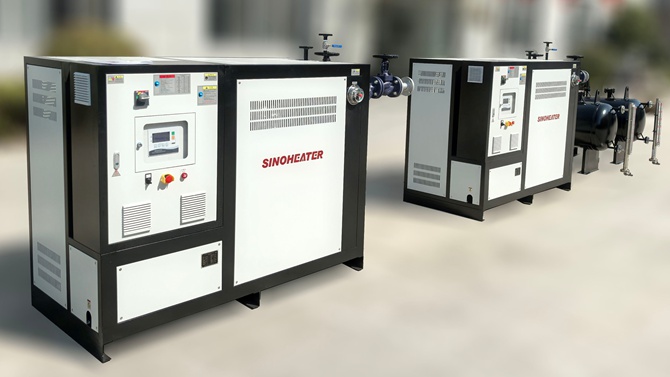
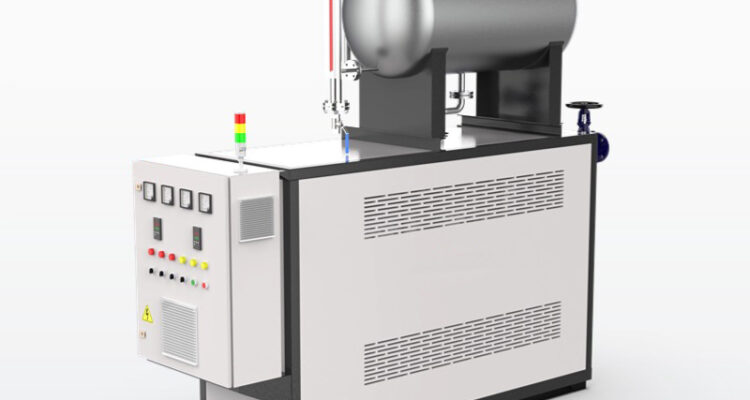
Asphalt plant operations rely on consistent, reliable high-temperature heat to keep aggregate drying, bitumen storage,…
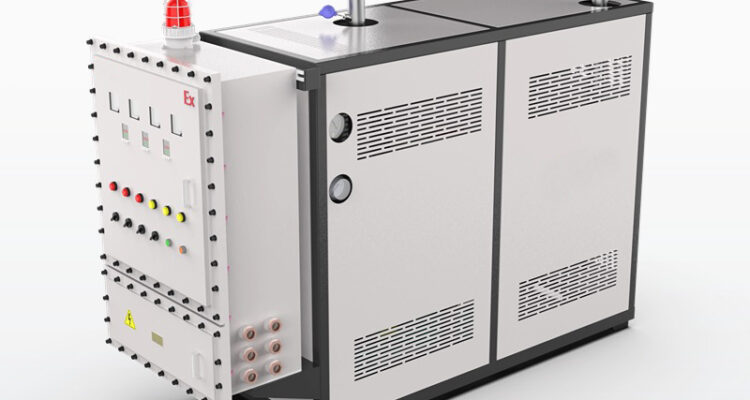
thermal oil heater heat transfer performance
Maintaining optimal heat transfer performance is the central goal of operating a thermal oil heater system, as it directly dictates energy efficiency, process temperature stability, and overall operational cost. Performance decline is rarely sudden; it’s a gradual process often masked by the system’s ability to compensate through increased energy input, making proactive monitoring essential.
Monitoring the Critical Temperature Differential
The single most telling indicator of real-time heat transfer health is the temperature difference, or delta-T (ΔT), between the heater outlet and the system return line. A stable, narrow ΔT under constant load indicates efficient heat pickup at the heater and effective heat release at the process. A steadily widening ΔT signals that something is hindering transfer. This could be fouling on the heater tube surfaces (acting as an insulator), a drop in flow rate due to a pump issue or internal blockage, or a change in fluid viscosity from degradation. Tracking this value on daily logs and watching for long-term trends is far more informative than looking at absolute temperatures alone.
Impact of Fluid Condition and Flow Dynamics
The thermal fluid itself is the working medium, and its condition is paramount. As fluid degrades from oxidation or thermal stress, its viscosity can increase, and sludge or carbon particles can form. This not only reduces the fluid’s inherent heat-carrying capacity but also increases the likelihood of deposits forming on heat exchange surfaces. Equally important is maintaining design flow velocity across these surfaces. Flow that is too low allows the fluid film in contact with the hot tube wall to overheat, accelerating fluid breakdown and fouling. Flow that is excessively turbulent can cause erosion. Ensuring the circulation pump is operating at its design point and that the system is free of restrictions that create low-flow zones is critical for consistent performance.
Surface Cleanliness and System Balance
Over time, even with well-maintained fluid, minor scaling or fouling can occur on the hottest surfaces inside the heater and, to a lesser extent, on the cold surfaces of process equipment. This fouling layer, often just millimeters thick, creates a significant thermal resistance. Regular inspection, cleaning, or de-coking of the heater’s combustion tubes or electric elements is a direct maintenance action to restore lost performance. Furthermore, the system must be hydraulically balanced. If multiple process users are on the same loop, an imbalance can starve some branches of flow, causing poor heat transfer at those points while others operate normally. Balancing valves ensure each user gets its designed flow rate for optimal heat pick-up and release.
Related Posts