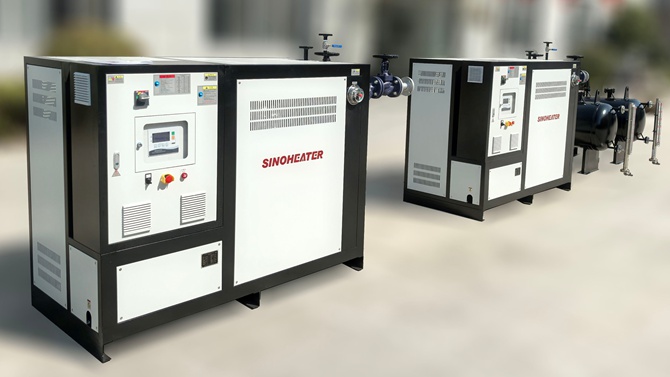
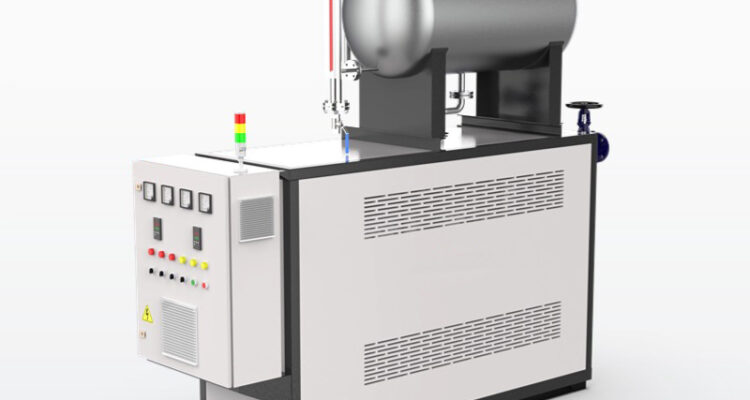
Asphalt plant operations rely on consistent, reliable high-temperature heat to keep aggregate drying, bitumen storage,…
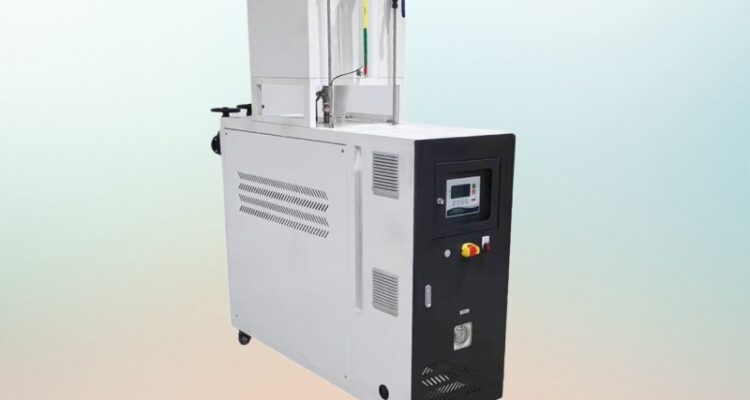
thermal oil heater high temperature circulation
High temperature circulation forms the functional core of a well-designed thermal oil heater system, ensuring consistent heat delivery across extended industrial process cycles. The practical guidance here draws directly from field engineering observations, routine maintenance records, and decades of real-world operational experience in heavy industrial heating environments.
Thermal Fluid Flow Stability Under Peak Temperature
Sustained high-temperature operation relies on a carefully balanced flow velocity that prevents both stagnant low-flow zones and excessive fluid shear that could accelerate medium degradation. The circulation path is engineered to eliminate sharp bends and unnecessary flow restrictions, maintaining uniform velocity across every section of the closed loop. This consistent flow profile ensures heat is distributed evenly to all downstream process points, avoiding hot spots that could disrupt production consistency. Operators monitor flow behavior through regular visual and instrument checks, making minor adjustments to keep circulation stable even when process heat demand shifts significantly.
Thermal Expansion and Pressure Regulation Management
As the thermal fluid heats up to high operating points, controlled accommodation of thermal expansion keeps the entire circulation system operating within safe, stable pressure ranges. The expansion space in the system is designed to absorb fluid volume changes smoothly, preventing unexpected pressure spikes that could stress seals and piping connections. Proper venting of trapped air and dissolved gas from the fluid loop is carried out during initial startup and after scheduled maintenance, eliminating oxidization risks that would otherwise reduce fluid service life. This careful regulation keeps the system running reliably at elevated temperatures without requiring excessive operating pressure.
Long-Cycle High-Temperature Circulation Health Checks
Routine inspection routines focus on the most critical components that sustain continuous high-temperature circulation over thousands of operating hours. Operators check seal points, pump performance, and piping connection conditions at regular intervals, catching minor wear before it develops into unplanned downtime. They also track changes in fluid clarity and flow behavior over time, identifying early signs of thermal degradation that signal the need for controlled fluid top-up or partial replacement. These structured, field-proven checks help maintain consistent circulation performance, supporting steady, uninterrupted heat delivery for long-running industrial production schedules.
Related Posts