Asphalt plant operations rely on consistent, reliable high-temperature heat to keep aggregate drying, bitumen storage,…
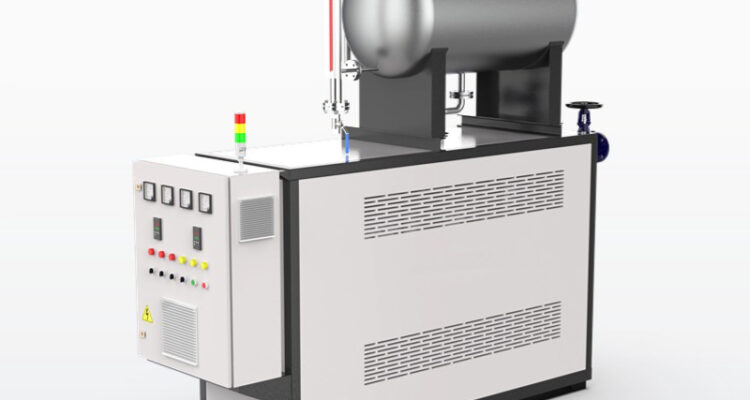
thermal oil heater industrial energy saving
Thermal oil heater industrial energy saving has become one of the most practical and effective ways for manufacturing facilities to cut unnecessary energy loss while keeping process heating performance stable. Many thermal oil systems operate for thousands of hours every year, and small, consistent improvements in operation, flow management and heat recovery can add up to meaningful reductions in overall energy consumption without sacrificing production output or heating accuracy. These energy saving practices are not limited to new installations. Even older thermal oil heater systems can adopt them gradually, fitting into existing maintenance and operation routines without major disruption.
Operating parameter optimization
Tune the flow velocity of thermal oil inside the circulation loop to match actual process heating demand. Too low a flow rate will create thick boundary layers along pipe and heater inner walls, worsening heat transfer and leading to localized overheating that degrades the heat transfer fluid faster. Too high a flow rate wastes extra pump power without bringing corresponding improvement in heat delivery. Maintaining the right velocity range helps balance heat transfer efficiency and circulation power consumption. Adjust the temperature difference between supply and return lines to a reasonable span that fits production requirements, instead of keeping an unnecessarily large temperature gap that forces the heater to consume extra fuel or power. Use staged temperature ramping during startup, so the system does not run at full heating capacity when the process still only needs a gentle temperature rise. This avoids unnecessary energy spikes during warm-up periods.
Heat loss reduction across system surfaces
Check all external surfaces of the heater body, connecting pipes, valves and flanges for incomplete or degraded insulation. Over years of operation, insulation layers can settle, crack, absorb moisture or get damaged around maintenance access points, creating hidden heat loss that slowly adds up over thousands of operating hours. Upgrade or repair insulation sections where surface temperature sits noticeably higher than surrounding ambient conditions, to cut down on continuous radiant and convective heat escape to the workshop environment. Pay special attention to often-overlooked components like valve bodies, expansion tank connecting lines and filter housings, which are frequently left uninsulated in many existing systems. Even these small components can release a surprising amount of wasted heat when running at high operating temperatures. Proper, continuous insulation across the whole system keeps more generated heat inside the circulation loop, making more of the heater’s energy output reach the actual production process.
Waste heat recovery and cascade utilization
Look for available waste heat streams that can be captured and reused instead of being directly discharged to the environment. Flue gas leaving the combustion section of fuel-fired thermal oil heaters still carries a large amount of recoverable thermal energy, which can be used to preheat incoming combustion air, or to warm up process fluids that only require relatively low heating temperatures. This simple recovery step reduces the amount of new energy the main heater needs to consume to reach target operating temperatures. Design a temperature gradient utilization layout for your heating processes. Route high-temperature thermal oil first to the production step that needs the highest process temperature, then pass the still-warm oil to subsequent process stages that operate at lower temperature requirements. This way, the same batch of circulating heat transfer fluid delivers useful thermal energy across multiple production points, instead of releasing all its remaining residual heat after just one single heating task.
System control and operational habit improvement
Implement continuous, real-time monitoring of core operating metrics including heater load, oil outlet temperature, exhaust temperature and circulation power draw. When operators can see these live readings clearly, they can spot inefficient operating states that would otherwise go unnoticed for weeks or months. Adjust heater output dynamically according to real-time production demand, instead of running the system at full fixed power even during periods of reduced production throughput. Avoid frequent full system shutdowns and cold restarts if production schedules allow, because each cold startup consumes extra energy to bring the whole mass of heater metal, piping and thermal oil up to stable operating temperature. Train operational teams to follow consistent, optimized startup, load adjustment and shutdown procedures, so every shift runs the thermal oil system in the most energy-efficient state possible under the current production conditions.
Related Posts