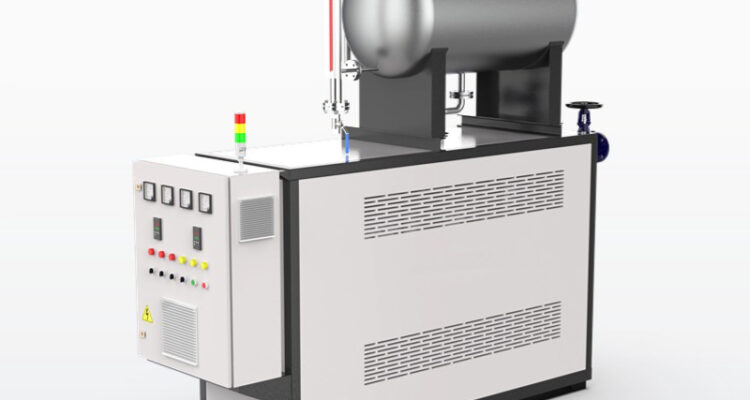
Asphalt plant operations rely on consistent, reliable high-temperature heat to keep aggregate drying, bitumen storage,…
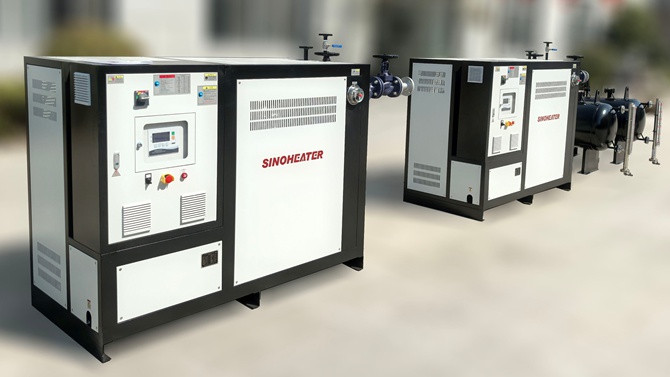
thermal oil heater industrial heating control
Industrial heating control for a thermal oil heater is the core system that defines process stability, energy efficiency, and long-term operational safety across a wide range of high-temperature manufacturing workflows. Unlike direct flame heating systems that rely on open combustion to transfer heat directly to the target process, thermal oil systems use a closed circulating heat carrier that can deliver consistent, uniform heat at elevated temperatures while operating under relatively low system pressure. This unique working principle places very specific demands on the control architecture, because even small, unaddressed deviations in flow rate or temperature can create cascading issues that reduce product quality, waste energy, or introduce unnecessary operational risks. Well-tuned heating control does not just maintain a setpoint—it actively compensates for dynamic changes in production load, ambient conditions, and system wear to keep every part of the thermal loop operating within safe, optimized parameters.
Temperature setpoint and gradient management
The most foundational element of reliable thermal oil heater control is structured management of temperature rise and fall rates across every stage of operation. Many system faults that appear after long hours of continuous use can be traced back to aggressive, unregulated temperature ramping during start-up, which creates uneven thermal expansion across heater tubes, piping, and heat exchanger surfaces. When the system is cold at initial start-up, the control logic should limit the rate of temperature increase to a slow, steady value that allows the thermal oil and all metal components to expand uniformly without creating localized stress points. During normal production operation, the control system should also prevent sudden, large jumps in heat output that could push a section of the heater past the safe operating temperature threshold of the heat carrier, which would trigger premature oil degradation, carbon deposit buildup on inner tube walls, and permanent loss of heat transfer efficiency.
Flow monitoring and dynamic pump adjustment
Even the most precise temperature sensor readings cannot guarantee safe operation if the thermal oil flow through the heater is not properly controlled and continuously verified. If the circulating flow drops below the minimum safe threshold, the oil that stays inside the heater chamber too long can overheat, break down chemically, and leave solid carbon deposits that stick to the inner tube surfaces. Over time, these deposits act as an insulating layer that traps heat against the metal wall, creating a dangerous cycle of rising tube temperature and further accelerated oil degradation. Modern industrial heating control systems integrate real-time flow measurement with variable speed drive logic for the circulating pump, so the system can automatically adjust flow rate to match changes in process heat demand. This ensures that the thermal oil always maintains the correct turbulent flow velocity through every section of the heater, even when production load shifts from full capacity down to partial standby operation.
Safety interlock and fault response logic
A robust thermal oil heater industrial heating control system is built around layered, independent safety interlocks that do not depend on a single sensor or control channel to prevent dangerous operating conditions. These interlocks monitor critical parameters including outlet oil temperature, heater wall temperature, system pressure, expansion tank level, and differential pressure across the circulating loop, and they trigger a staged, pre-programmed response the moment any value moves outside its predefined safe range. Instead of cutting all power to the heater instantly in a way that could create thermal shock, the control system first reduces heat output gradually, maintains full circulation to pull residual heat away from the heater core, and only initiates a full shutdown if the abnormal condition continues to escalate. This layered response prevents small, temporary deviations from turning into major system faults, while still delivering fast, reliable protection against any condition that could threaten equipment integrity or operational safety.
Long-term performance calibration and drift correction
Over thousands of hours of continuous operation, even the most well-built thermal oil heater control system will experience subtle, gradual drift in sensor calibration, pump performance, and heat output efficiency. Routine, scheduled calibration checks that compare sensor readings against independent reference measurements ensure that the control system is always making decisions based on accurate, real data instead of slowly shifting offset values. Operators should also maintain a regular log of normal operating parameters under standard production load, so any small, unexpected change in the relationship between heater power, flow rate, and outlet temperature can be spotted early, long before it develops into a noticeable process issue. This proactive, data-driven approach to control system maintenance keeps the entire thermal oil heating loop running at peak efficiency for years, with minimal unplanned downtime and consistent heat delivery to every connected process station.
Related Posts