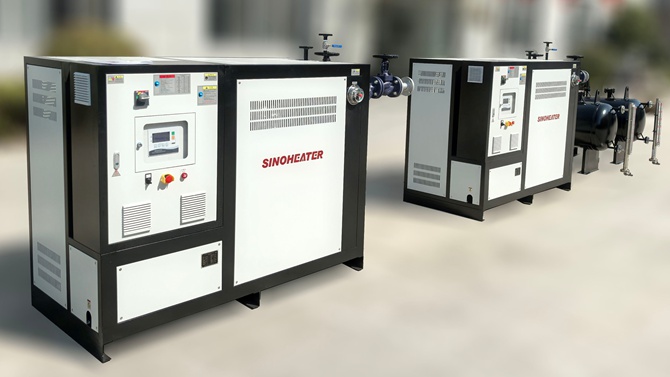
Asphalt plant operations rely on consistent, reliable high-temperature heat to keep aggregate drying, bitumen storage,…
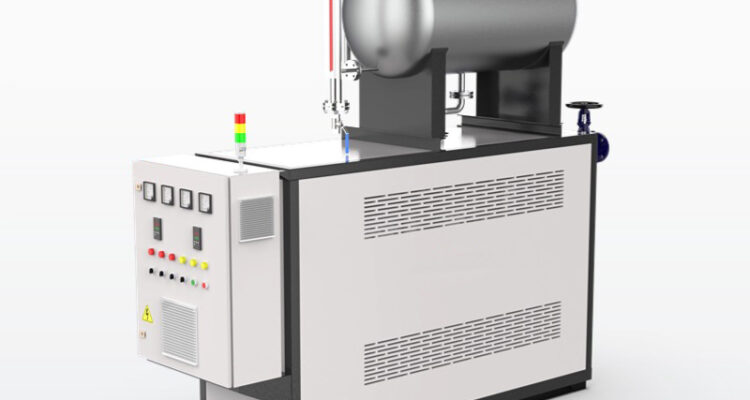
thermal oil heater industrial heating solution
Industrial heating processes form the backbone of countless manufacturing operations, where consistent, precise heat delivery directly impacts product quality, energy consumption, and overall operational uptime. For facilities that need stable high-temperature heat without the safety and complexity risks that come with high-pressure steam systems, thermal oil heater setups have emerged as a trusted, flexible solution tailored to the unique demands of modern industrial environments. These systems work by circulating specially formulated heat transfer oil through a closed loop, moving controlled thermal energy to target process points across the facility, all while operating at far lower system pressures than traditional steam-based heating setups.
Unlike many one-size-fits-all heating approaches, thermal oil heater industrial heating frameworks can be adjusted to match the exact heat profile of nearly any production workflow, from continuous 24/7 operation in large-scale processing plants to intermittent batch heating in smaller specialized manufacturing spaces. This level of adaptability is why more and more industrial teams are shifting away from outdated heating methods to refine their process heat delivery.
Core operational advantages for heavy industrial workflows
One of the most notable benefits of this heating solution is its ability to deliver high, stable temperatures at minimal system pressure. Many industrial processes require consistent heat levels between 200°F and 750°F, a range that would force steam systems to operate under extremely high pressure that demands strict, continuous safety monitoring and regular certified inspections. Thermal oil systems hit these same high temperatures while running at near-atmospheric pressure on the process side, which drastically cuts down the risk of sudden pressure-related failures and eliminates the need for complex, high-rated pressure vessels across the entire heat distribution network.
Temperature control precision is another key strength that sets this solution apart. The thermal oil circulating in the closed loop has a much higher heat carrying capacity than air or steam, so it maintains a far more uniform temperature as it moves from the heater unit to the farthest process point. Operators can adjust the outlet temperature within a very narrow margin, avoiding the sudden temperature spikes or drops that often ruin sensitive batches, damage raw materials, or force unplanned production stops. This level of control is especially critical for processes where even a 5°F temperature deviation can lead to rejected final products or extended rework cycles.
These systems also integrate smoothly with existing industrial infrastructure. Most facilities already have fuel supply lines, process piping layouts, and control frameworks in place, and thermal oil heater industrial heating setups can be configured to connect directly to these existing elements without full-scale demolition or replacement of current process lines. This reduces the disruption that usually comes with installing a new heating system, letting teams phase in the new setup while keeping most of their regular production schedules running as normal.
Adaptability across diverse industrial application scenarios
In chemical and polymer processing facilities, this heating solution supports a wide range of core production steps, from raw material preheating to polymerization, distillation, and high-viscosity fluid transportation. Many chemical reactions require sustained, evenly distributed heat over long periods, and the stable thermal output from a thermal oil system prevents localized overheating that could trigger unwanted side reactions, material degradation, or even safety hazards in the reaction vessels. The closed loop design also keeps the heat transfer fluid isolated from process materials, eliminating the risk of cross-contamination that can happen with direct steam injection setups.
For the food and beverage industry, where strict hygiene and consistent temperature control are non-negotiable, these systems deliver reliable heat for drying, cooking, pasteurization, and packaging material processing. The low operating pressure removes the risk of sudden steam leaks that could contaminate food contact surfaces, and the uniform heat distribution ensures every batch of finished product meets the exact same quality standards. Facilities that work with edible oil refining, in particular, benefit greatly from the precise temperature regulation that prevents overheating and preserves the natural properties of the final refined product.
Wood processing, asphalt production, and building material manufacturing also see major performance gains from this heating approach. In asphalt production, for example, thermal oil systems keep the aggregate storage silos, transport pipelines, and mixing vessels at a consistent high temperature to prevent the material from cooling and solidifying mid-process, even during cold outdoor operating conditions. For wood treatment and drying lines, the steady, controlled heat avoids uneven drying that causes wood to warp, crack, or develop internal defects that lower the final product’s market value.
Operational best practices to maximize long-term performance
Even the most well-designed thermal oil heater industrial heating solution will underperform without consistent, targeted routine maintenance. The first key practice is to implement a regular heat transfer fluid testing schedule. Over months and years of high-temperature circulation, thermal oil will slowly oxidize, form sludge, and break down into lighter or heavier molecular fractions that reduce its heat transfer efficiency. Regular sampling lets operators track changes in viscosity, thermal conductivity, and acid value, so they can perform partial fluid treatment or replacement long before heavy coking or fouling builds up on the inner walls of the heating coils.
Proper system venting and deaeration is another often-overlooked step that delivers huge performance improvements. Small amounts of air and moisture can get trapped in the closed loop during initial installation or after routine maintenance stops, and these trapped pockets create insulating barriers that slow down heat transfer, cause uneven flow, and even lead to localized oxidation of the thermal oil. Running controlled venting cycles at regular intervals removes these unwanted gases, restoring full flow efficiency and extending the service life of both the heat transfer fluid and the heater core components.
Teams can also optimize their system performance by mapping out the exact heat demand profile of their full facility. Many industrial operations have fluctuating heat loads across different shifts or different stages of the production cycle, and adjusting the heater’s output to match these real-time demands, instead of running it at full power 24/7, cuts down unnecessary fuel consumption and reduces unnecessary wear on the burner and circulating pump components. This kind of targeted tuning helps the system maintain peak efficiency across decades of continuous operation, delivering consistent, reliable process heat for every step of the production workflow.
Related Posts