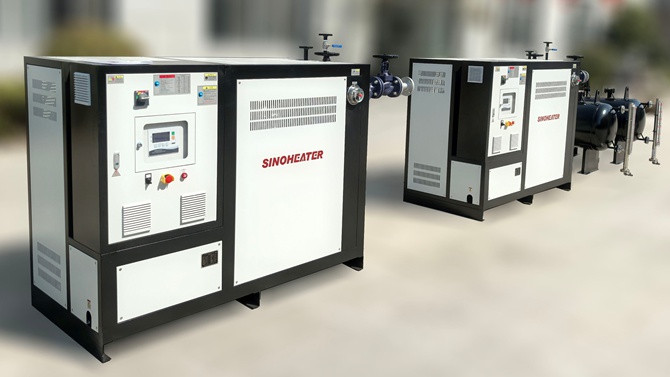
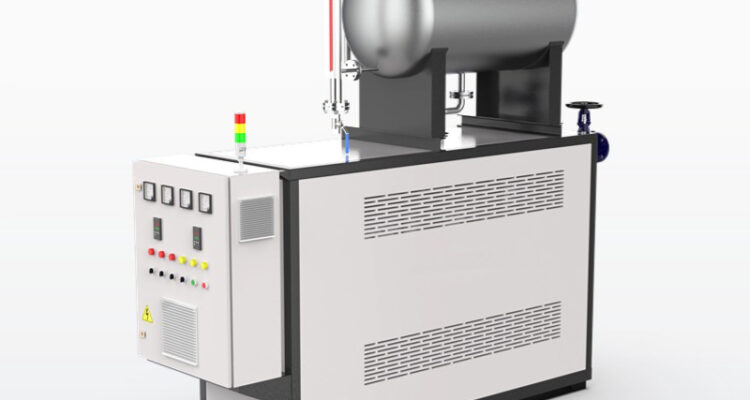
Asphalt plant operations rely on consistent, reliable high-temperature heat to keep aggregate drying, bitumen storage,…

thermal oil heater industrial operation safety
Safe industrial operation of thermal oil heater systems depends on consistent procedural discipline, proactive condition monitoring, and clear response protocols for abnormal operating states. Even well-designed systems can develop hidden risks over thousands of operating hours, and unaddressed small deviations can escalate into serious safety incidents that disrupt production and damage facility assets.
Pre-Startup System Verification Routine
Before initiating any heating cycle, operators must complete a systematic check of the entire closed loop to confirm all components are in a safe standby state. They should confirm the circulating pump can run independently before the heating source is activated, ensuring full thermal oil flow is established across all heat transfer surfaces before any temperature rise begins. All pressure gauges, temperature sensors, and automatic safety interlocks must show normal readings and no open-circuit or fault alarms are present on the control interface. The expansion tank oil level must sit within the specified working range, and no visible traces of oil leakage can be found around flanges, seals, or pipe connections. This full pre-startup verification prevents the most common early-stage safety risks, including localized overheating caused by zero flow and unexpected pressure spikes from blocked system vents.
In-Runtime Parameter Monitoring and Intervention Rules
During continuous operation, operators must track multiple core parameters at regular intervals rather than only responding to active alarms. The temperature difference between the heater outlet and inlet must stay within a stable, predefined band, and any sudden widening of this gap signals reduced flow or degraded thermal oil performance that requires immediate investigation. System pressure readings across the loop should remain consistent with the established baseline, and unexpected pressure drops often point to hidden leakage that could create fire hazards if hot oil contacts nearby high-temperature surfaces. Operators must never bypass or disable automatic safety limit devices to force extended runtime, even during tight production schedules, as this removes the last layer of protection against uncontrolled overheating. Any drift in readings that cannot be explained by normal load changes should trigger a controlled reduction in heating output until the root cause is fully identified and resolved.
Shutdown and Post-Operation Cooling Protocols
When the system enters shutdown mode, the heating source must be fully deactivated first, and the circulating pump must continue running for the full duration specified in operational guidelines. This continuous flow removes residual stored heat from the heater core, preventing the thermal oil from being overheated by trapped furnace energy even after the heat input has stopped. Operators should never shut down the circulation system prematurely, as localized stagnant oil can reach temperatures far above its rated stability limit, leading to thermal cracking, carbon deposit formation, and subsequent fire risk. After the system cools down to near ambient temperature, the final inspection should check for new leaks, abnormal component temperatures, and any accumulated error logs that need to be addressed before the next startup. Following this structured cooling sequence eliminates the majority of hidden long-term damage that builds up across repeated operating cycles.
Facility teams that embed these three sets of safety practices into daily shift routines consistently reduce incident frequency and extend the reliable service life of their thermal oil systems by a significant margin.
Related Posts