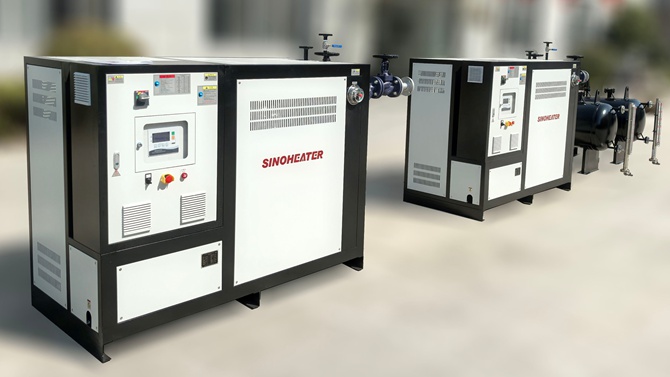
Asphalt plant operations rely on consistent, reliable high-temperature heat to keep aggregate drying, bitumen storage,…
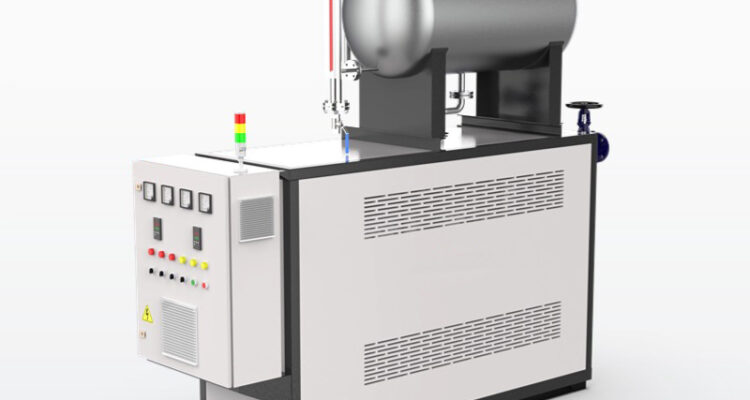
thermal oil heater industrial process control
Thermal oil heater industrial process control is a core part of modern industrial heating systems, ensuring that thermal energy is delivered accurately and stably to meet the strict temperature requirements of different production workflows. This control mechanism works in tandem with the closed-loop circulation of thermal fluid, eliminating the temperature fluctuations and safety risks that often come with traditional high-pressure heating systems. It supports consistent, repeatable heating performance across long production runs, which is essential for industries that demand precise thermal management to maintain product quality and operational efficiency.
Core components of thermal oil heater process control systems
Every reliable process control setup for thermal oil heaters relies on a set of interconnected functional parts that work together to maintain stable operation. High-precision temperature sensors are installed at key points including the heater outlet, the inlet of the heat-consuming equipment, and critical positions along the circulation pipeline, to collect real-time temperature data of the thermal fluid and feed it back to the control unit without delay.
Flow monitoring elements track the circulation speed and flow rate of the thermal oil throughout the closed loop, ensuring that the heat transfer medium moves at a steady, designed speed to avoid local overheating inside the heater or uneven heat distribution at the production end.
Safety interlock modules continuously monitor system pressure, liquid level in the expansion tank, and operating status of the circulation pump, triggering immediate protective actions if any parameter exceeds the preset safe range to prevent equipment damage and eliminate potential operational hazards.
Common control logic for different industrial process scenarios
Different industrial production workflows have distinct thermal control demands, and the process logic for thermal oil heaters can be adjusted to match these specific requirements. For continuous production processes that run 24 hours a day, such as textile heat setting or plastic calendering, the control system uses a steady-state regulation strategy that keeps the thermal fluid temperature within a narrow, fixed range for extended periods, avoiding frequent adjustments that could disrupt the consistency of finished products.
For batch production processes that require rapid temperature rise and fall, like pharmaceutical reaction kettle heating or chemical material melting, the control system adopts a dynamic response logic that adjusts the heating output in real time according to the preset temperature curve, cutting down transition time between different temperature stages and improving overall production efficiency.
For multi-point distributed heating systems that supply heat to multiple independent production units at the same time, the control logic supports independent temperature regulation for each heat consumption point, balancing the total thermal output of the thermal oil heater to meet different temperature needs of different production lines without mutual interference.
Key best practices for stable long-term process control
There are practical, field-proven practices that help maintain consistent thermal oil heater process control performance over years of continuous operation. Regular calibration of temperature and pressure sensors on a scheduled basis ensures that the collected data remains accurate, avoiding control deviation caused by sensor drift that could lead to unstable heating performance over time.
Set up a graded parameter protection mechanism that separates normal operating adjustment parameters from safety limit parameters, preventing accidental misoperation by on-site staff from changing critical safety settings and triggering unnecessary system shutdowns.
Carry out regular inspection of the connection points between the control unit and the execution components, to eliminate signal delay or data loss caused by aging wiring or loose connections, ensuring that control instructions can be transmitted and executed in time to maintain the stability of the entire heating process.
Related Posts