Asphalt plant operations rely on consistent, reliable high-temperature heat to keep aggregate drying, bitumen storage,…
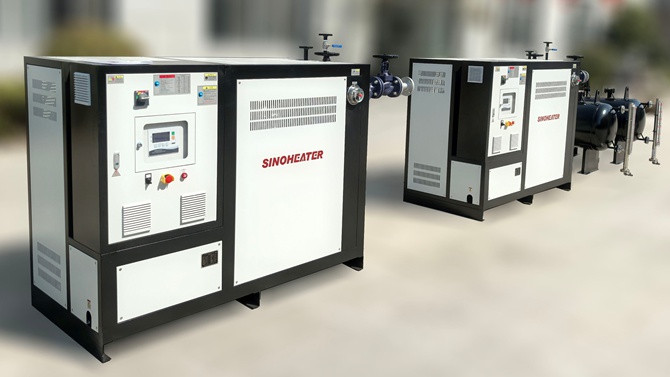
thermal oil heater industrial process efficiency
Thermal oil systems form the backbone of countless industrial heating workflows, and even small drops in process efficiency can add up to unnecessary energy waste, extended cycle times, and inconsistent output across production runs. Many teams operate these heaters for years without targeted adjustments, assuming their baseline performance is as good as it can get. When you break down the system to address hidden friction points, uneven heat distribution, and unoptimized operating habits, you can unlock meaningful efficiency gains that make the entire industrial process far more reliable and resource-conscious.
Closed-loop circulation performance tuning
The core of thermal oil heater efficiency lives in the closed circulation loop that moves heat transfer fluid from the heater to the process load and back again. Over months and years of continuous operation, small changes in flow dynamics create hidden bottlenecks that force the heater to work harder to deliver the same amount of usable heat. These issues rarely trigger obvious fault alarms, so they often go unnoticed until efficiency has already dropped significantly.
Flow rate balance across parallel branches
Many industrial thermal oil systems run multiple parallel process branches that draw heat from the same central heater, and uneven flow distribution across these branches creates major efficiency losses. Some branches end up with far more flow than they need, while others receive too little, forcing the heater to run at a much higher outlet temperature to meet the lowest-performing load’s requirements. Adjusting flow valves to balance pressure and volume evenly across every branch ensures each process receives exactly the heat it needs, without wasting extra energy overheating the fluid to compensate for weak spots in the loop.
Internal pipe fouling gradual removal
As thermal oil ages and circulates through the system, thin layers of oxidized fluid residue slowly build up on the inner walls of pipes and heat exchanger surfaces. This residue acts as an insulating barrier that stops heat from transferring from the heater to the circulating fluid, and from the fluid to your target process. Even a very thin, almost invisible layer of this fouling can reduce heat transfer performance by a noticeable margin. Scheduled, gradual cleaning of the full pipe network removes this buildup without causing sudden system disruptions, restoring the original smooth internal surface that lets heat move freely through the loop.
Thermal oil condition management
The heat transfer fluid itself is one of the most overlooked variables in long-term heater efficiency. As thermal oil cycles through repeated heating and cooling phases over thousands of operating hours, it undergoes slow chemical changes that alter its viscosity, thermal conductivity, and overall heat carrying capacity. Many teams only top off the fluid level when it drops, without checking for the subtle signs of degradation that silently drag down system performance.
Degradation byproduct monitoring
Over time, high operating temperatures break down small portions of the thermal oil into light, volatile fragments and heavier, sludge-like residues. The light volatile components raise system pressure unnecessarily and create vapor pockets that disrupt steady flow, while the heavy sludge settles in low points of the loop and adds extra insulating fouling. Regular testing of the fluid to track these byproduct levels lets you remove contaminated fractions and refresh the fluid before these issues cause measurable efficiency loss, instead of waiting for performance to drop sharply.
Controlled deaeration and moisture removal
Even tiny amounts of dissolved air or residual moisture trapped in the thermal oil create major efficiency problems. When these pockets reach the high-temperature zone inside the heater, they vaporize, creating localized hot spots that force the heater to consume extra fuel to maintain a consistent setpoint. They also cause micro-oxidation of the fluid that speeds up long-term degradation. Running consistent, controlled deaeration cycles to remove all trapped gas and moisture from the loop eliminates these unpredictable pressure spikes and hot spots, letting the fluid transfer heat far more evenly through every part of the system.
Process load heat recovery optimization
A huge amount of otherwise wasted heat can be recaptured from the downstream side of your industrial process, instead of letting it dissipate into the surrounding environment after the fluid delivers its heat load. Most facilities leave this low-hanging efficiency improvement completely untouched, even though it reduces the total amount of new heat the heater needs to generate from scratch for every production cycle.
Return line pre-heat integration
The thermal oil flowing back to the heater after it passes through the process load still carries a significant amount of residual heat that most systems discard. Routing this hot return flow through a secondary heat exchange stage to pre-heat incoming process air, raw material feedstock, or cleaning water means you do not need to burn extra energy to bring those secondary loads up to temperature. This cuts down the total heat demand your main thermal oil heater has to meet, directly lowering the energy required for every full production run.
Unused standby heat reduction
Many facilities leave thermal oil heaters running at full high-temperature standby mode during short production breaks, shift changes, or overnight lulls, to avoid the time and energy cost of reheating the system from cold later. Tuning the system to hold a carefully calculated lower standby temperature, instead of the full operating setpoint, cuts standby energy consumption dramatically without adding unnecessary delay when you restart production. You can adjust this standby temperature dynamically based on how long the break will last, so you never waste energy holding a high temperature that no active process is using.
Related Posts