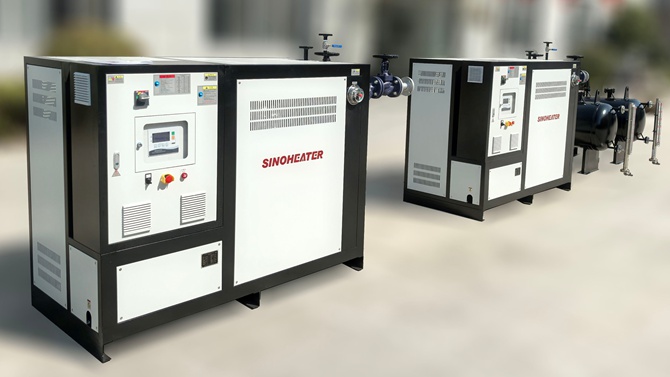
Asphalt plant operations rely on consistent, reliable high-temperature heat to keep aggregate drying, bitumen storage,…
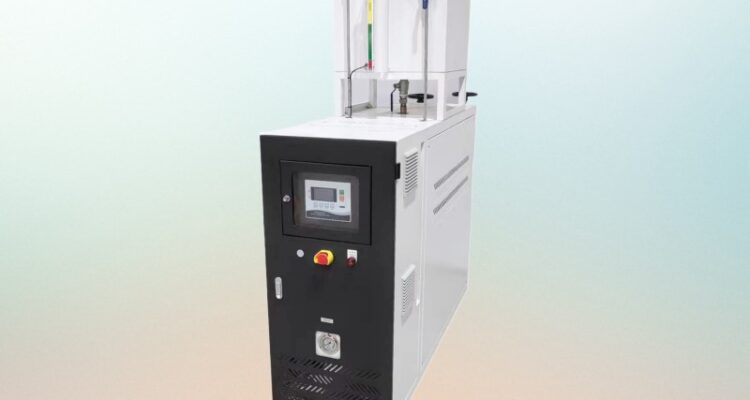
thermal oil heater industrial process heating
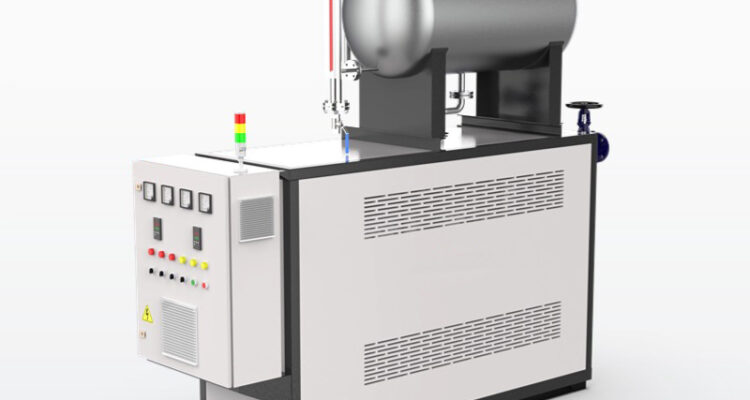
Industrial process heating forms the backbone of countless manufacturing operations, where consistent, accurately controlled thermal energy directly shapes product quality, production speed, and overall operational stability. A thermal oil heater delivers this heat through a closed-loop indirect transfer system, making it a trusted choice for facilities that need sustained high-temperature performance without the high-pressure constraints of steam-based heating setups. Its ability to maintain steady output across long continuous production runs makes it well suited for heavy industrial environments where unplanned temperature fluctuations can ruin entire batches of work in progress.
Heat transfer characteristics in industrial loop operations
Unlike open heating systems that rely on phase change to move thermal energy, a thermal oil heater circulates heat transfer fluid entirely in liquid form across the entire working temperature range. The fluid absorbs heat as it passes through the heater’s heat exchange section, then travels through insulated piping networks to reach every point of heat demand across the facility. It releases its stored thermal energy at process stations, then returns back to the heater to be reheated, creating a continuous, closed cycle that minimizes energy loss to the surrounding environment.
This liquid-phase heat transfer also allows operators to achieve high working temperatures while keeping overall system pressure far lower than equivalent steam systems running at the same temperature. This dynamic reduces mechanical stress on piping, valves, and heat-consuming equipment, extending service life and lowering the risk of sudden pressure-related failures during daily operation. Facilities that operate processes requiring uniform heat distribution across large surfaces often find this characteristic especially valuable for eliminating hot spots that cause uneven material processing.
Typical application scenarios across heavy industries
Thermal oil heater process heating appears in a wide range of industrial sectors where precise, stable heat delivery is non-negotiable. In material processing operations, it provides consistent temperature control for presses, roller systems, and drying chambers that shape raw materials into finished forms. In chemical and related production environments, it maintains steady thermal conditions inside reaction vessels, distillation units, and storage tanks to keep production reactions proceeding at the correct, predictable rate.
Facilities handling composite materials, coating operations, and high-precision drying tasks also rely on this heating method to avoid the temperature swings that can cause surface defects, incomplete curing, or inconsistent final product properties. The closed-loop design makes it easier to isolate heat delivery from external environmental conditions, so process performance stays consistent whether the facility is running in the middle of a cold winter or a hot summer.
Operational optimization for long production cycles
Teams that run thermal oil heater systems around the clock focus their optimization efforts on maintaining clean heat transfer surfaces, stable circulation flow rates, and accurate temperature monitoring across every key point in the loop. Regular inspection routines check for gradual coking buildup inside heater coils, which can reduce heat transfer efficiency over time and create localized overheating risks if left unaddressed. Technicians also verify that circulation pumps maintain consistent flow pressure, ensuring no part of the loop experiences stagnant fluid that could degrade the heat transfer medium prematurely.
Many experienced plant engineers map out full system heat demand profiles across different production shifts, then adjust heater output curves to match actual real-time load requirements. This practice prevents unnecessary overheating of the thermal oil, extends the usable life of the heat transfer fluid, and reduces unnecessary energy consumption during periods when full heating capacity is not required. Over months and years of operation, these small, consistent optimization steps add up to noticeably more reliable performance and lower overall operational overhead for the entire process heating system.
Related Posts