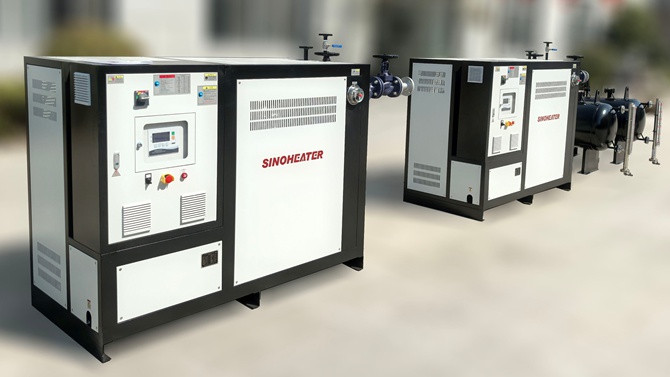
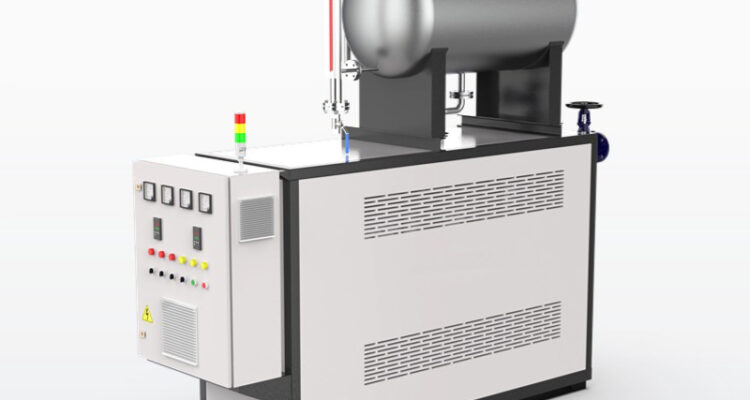
Asphalt plant operations rely on consistent, reliable high-temperature heat to keep aggregate drying, bitumen storage,…
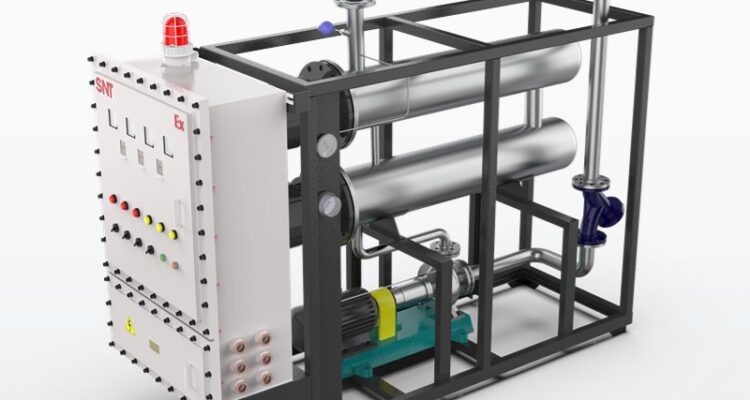
thermal oil heater industrial process solution
Thermal Oil Heater Industrial Process Solution
Many industrial operations rely on high-temperature process heat that cannot be safely or consistently delivered by traditional steam-based systems, especially when stable, uniform heat output across long continuous operating cycles is a core requirement. Teams that push their existing steam systems past their design limits to hit higher temperature targets often run into rising pressure safety risks, frequent condensate handling headaches, and uneven heat distribution that disrupts process consistency. A well-implemented thermal oil heater industrial process solution addresses these pain points by using a closed-loop fluid circulation design to deliver precise high-temperature heat at far lower operating pressures, making it suitable for a wide range of heavy industrial use cases.
Design the Closed-Loop Circulation Layout for Stable Heat Delivery
The core of any reliable thermal oil process solution lies in a carefully engineered closed circulation loop that eliminates the leaks, pressure spikes, and uneven heat distribution that plague open or partially vented heating systems. When this layout is poorly designed, operators run into random hot spots in the heater core, fluid degradation that happens far faster than expected, and unexpected pressure swings that force unplanned system shutdowns. A properly structured layout ensures every part of the loop operates within safe, predictable parameters for years of continuous use.
Route Piping to Eliminate Dead Zones and Stagnant Flow
Map the full circulation path so there are no long, uncirculated pipe branches where thermal oil can sit stationary while exposed to high heat. Every section of the loop should see consistent, steady flow that keeps the fluid moving fast enough to avoid localized overheating, which is the number one cause of premature thermal fluid breakdown. Install properly sized expansion vessels that account for the natural volumetric expansion of the thermal oil as it heats up, so system pressure stays stable and never spikes past the design safety limits even during rapid temperature ramp-up cycles.
Isolate Process Load Zones With Dedicated Control Valves
Split the full system into separate, independently controlled load zones that match the different temperature requirements of each part of your industrial process. This lets you adjust heat delivery to individual process units without disrupting the temperature stability of other parts of the line, instead of forcing the entire system to run at the highest single temperature demand. This level of zoning also lets you shut off heat flow to idle process sections completely during non-production periods, so you do not waste energy circulating high-temperature fluid through unused piping runs.
Integrate Multi-Level Safety and Operational Control Logic
Unlike simpler heating systems, thermal oil process solutions operate best with layered control logic that catches small abnormal conditions long before they can escalate into equipment damage or safety risks. Many teams rely on basic manual monitoring and generic over-temperature trips, which leaves them exposed to preventable issues like pump failure, low flow cutoff, or unexpected thermal fluid degradation that can force lengthy unplanned downtime. A complete solution builds these safeguards directly into the core system operation, rather than treating them as afterthought add-ons.
Implement Continuous Flow and Pressure Interlock Checks
Set up hardwired interlocks that continuously verify proper circulation flow and stable system pressure before the heater is allowed to activate or increase its heat output. If flow drops below the minimum safe threshold even for a second, the system automatically cuts heating power and triggers a clear, specific alarm for operators, to prevent any scenario where the heater core is being heated with no moving fluid to carry heat away. This eliminates the single most common cause of heater element damage and thermal fluid carbonization.
Add Tiered Temperature Monitoring Across All Critical Points
Place independent temperature sensors not just at the heater outlet, but also at the heater internal core, the return line from the process, and every major load zone inlet. This gives operators full visibility into the actual heat transfer performance across the entire system, instead of only seeing a single outlet reading that hides developing problems. If the temperature difference between heater outlet and process return starts to drift outside its normal expected range, the system can flag that as an early warning sign of fouled heat transfer surfaces or dropping circulation performance, long before that issue causes process disruption.
Align System Operation With Long-Term Process Performance Goals
A fully realized thermal oil heater process solution does not just deliver heat on day one. It is structured to maintain consistent performance, minimal maintenance demand, and reliable operation across thousands of operating hours. Many teams miss this step, treating the system as a static asset that never needs adjustment after initial commissioning, and then see its performance slowly degrade over time without any clear root cause. Regular, structured alignment between system operation and process requirements keeps the solution delivering full value for its entire service life.
Schedule Periodic Thermal Fluid Condition Testing
Build a regular testing schedule that checks the thermal oil for signs of degradation, including viscosity shift, carbon residue buildup, and volatile content increase. Catching these changes early lets you perform targeted maintenance like partial fluid top-ups or filtration, instead of waiting until the fluid is heavily degraded and has already caused widespread fouling across all heat transfer surfaces. This small, consistent step extends the usable life of both the thermal fluid and the heater system itself by a very wide margin.
Adjust Control Setpoints as Process Requirements Evolve
As your industrial process changes over time, update the system’s temperature profiles, flow rates, and interlock thresholds to match new operating demands, instead of leaving the original commissioning settings in place indefinitely. When new process units are added, or old load points are retired, rebalance the full circulation loop to make sure flow is still distributed evenly across all active zones. This ensures the system never drifts away from its optimal operating state, even as the surrounding industrial facility’s heat demand shifts year after year.
Related Posts