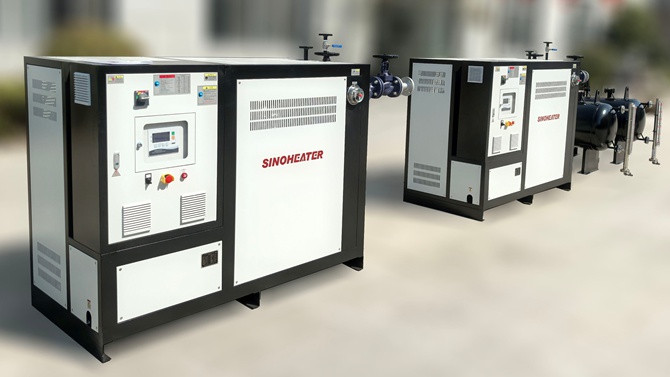
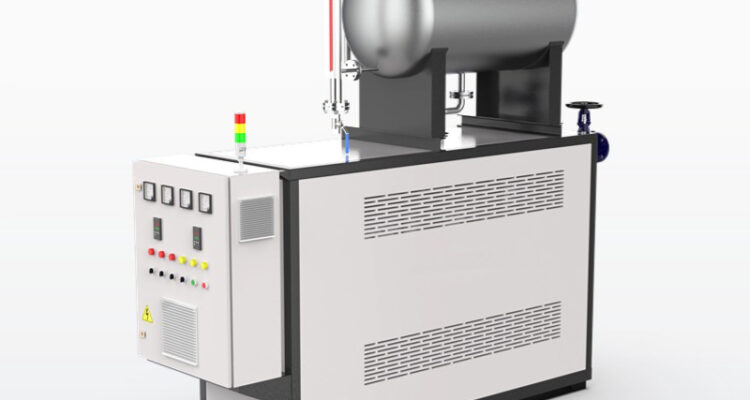
Asphalt plant operations rely on consistent, reliable high-temperature heat to keep aggregate drying, bitumen storage,…
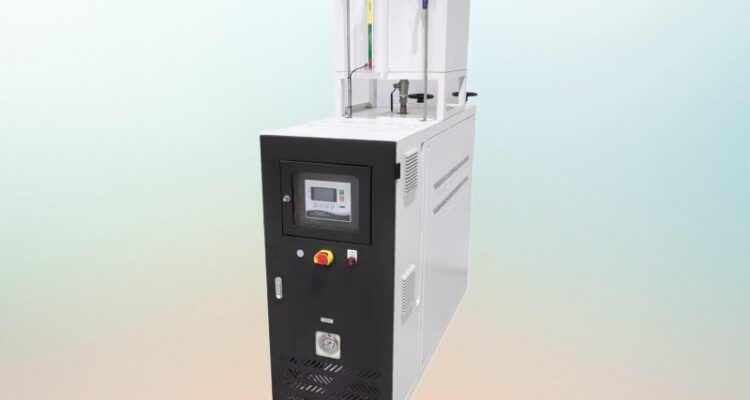
thermal oil heater industrial thermal circulation
Industrial thermal circulation is the core operating principle that defines how a thermal oil heater delivers stable, uniform heat across complex industrial process layouts. Unlike open heating systems that rely on phase change to transfer energy, this closed-loop circulation design moves heated fluid continuously through every section of the system, carrying consistent thermal energy directly to the points that require it. This structure eliminates many of the pressure fluctuations, temperature inconsistencies, and energy losses that come with older indirect heating methods, making it a reliable foundation for high-precision industrial heating tasks.
Closed-loop circulation path design for uninterrupted heat delivery
A well-structured circulation path ensures the thermal oil moves smoothly through every segment of the system, with no dead zones, flow bottlenecks, or unnecessary pressure drops that disrupt consistent heat transfer.
Maintain consistent flow velocity across all piping segments
Design the full circulation path to keep thermal oil moving at a steady, optimized velocity that matches the fluid’s viscosity at normal operating temperatures. Avoid sharp bends, unnecessary narrow pipe sections, or unneeded branching points that could create local turbulence or slow down flow in specific parts of the loop. This consistent flow ensures every connected process unit receives the same volumetric flow of heated fluid, so no single section is starved of thermal energy during peak operation.
Separate supply and return routing to avoid temperature mixing
Route the hot supply line and cooler return line as distinct, insulated paths that never share uninsulated space or allow pre-mixing of high and low temperature fluid before it reaches the heater. This separation preserves the full temperature differential between the outgoing heated oil and the returning cooled oil, which maximizes the efficiency of the heating stage and prevents unplanned thermal loss along the distribution network.
Thermal balance control across the full circulation cycle
Effective thermal balance ensures heat is added, carried, and released at a steady, predictable rate across every step of the circulation loop, with no unexpected spikes or drops that disrupt process stability.
Match heating output to real-time circulation load
Tie the heater’s energy input adjustment logic directly to the measured flow rate and outlet temperature of the circulating thermal oil, rather than running the heating stage at a fixed output regardless of system demand. This prevents overheating the fluid during low-load periods, and avoids the risk of thermal degradation that comes when oil is held at excessive temperatures for too long inside the heater chamber. The control system should also respond gradually to load changes, so the temperature of the circulating fluid shifts smoothly instead of jumping to extreme values.
Stabilize return fluid temperature before re-entering the heater
Monitor the temperature of the thermal oil flowing back into the heater from the process side, and use buffer control to even out sharp temperature swings that could occur when a high-demand process unit suddenly releases a large volume of cooled fluid. This prevents the heater from being hit with an unexpected mass of low-temperature fluid that would force it to spike output dramatically, creating thermal stress on system components and temporary inconsistencies in supply temperature.
Circulation system health monitoring for long-term reliable operation
Continuous, targeted monitoring of the thermal circulation loop lets you catch small performance deviations before they escalate into unplanned downtime or efficiency loss, keeping the full system running reliably over thousands of operating hours.
Track flow and pressure differentials across key points
Install monitoring points at the heater inlet and outlet, as well as at the farthest end of the circulation loop, to track pressure drop and flow consistency in real time. A gradual, unplanned rise in pressure differential across the heater is often an early sign of fluid degradation or internal fouling that is restricting flow, long before the issue causes a measurable drop in heating performance. This early warning gives you time to schedule targeted maintenance without interrupting active production cycles.
Isolate and test individual circulation branches during low-demand periods
During scheduled production breaks, isolate individual process branches of the circulation loop one at a time, and run a short controlled circulation test to confirm flow and heat transfer performance in that specific segment. This lets you spot localized blockages, insulation degradation, or valve drift that only affects one small part of the system, issues that would otherwise stay hidden until they cause uneven heating across a full production run. This regular check keeps the entire thermal circulation network performing at consistent efficiency, month after month.
Related Posts