Asphalt plant operations rely on consistent, reliable high-temperature heat to keep aggregate drying, bitumen storage,…
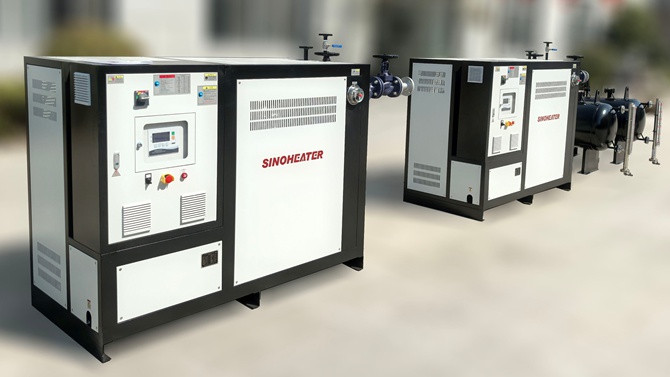
thermal oil heater industrial thermal efficiency
Thermal efficiency stands as the most critical performance metric for any industrial thermal oil heater, directly defining how effectively fuel energy is converted into usable process heat rather than being lost to the surrounding environment or carried away in flue gas. Even a small, unaddressed drop in efficiency can accumulate to create significant unnecessary energy waste over thousands of operating hours, while a well-optimized system maintains consistent heat output, reduces unnecessary thermal stress on internal components, and supports stable, continuous operation for demanding industrial workloads.
Core factors that define industrial thermal oil heater thermal efficiency
Every element of the heater’s design, operating condition, and daily maintenance routine works together to shape final efficiency performance, and no single adjustment can deliver long-term improvement without addressing the full interconnected system.
Flue gas heat loss levels
The largest single source of avoidable efficiency loss in most running systems comes from excess heat carried out through the exhaust stack. When flue gas exits the system at temperatures far higher than the temperature of incoming ambient air, that usable thermal energy is completely wasted instead of being transferred into the circulating thermal fluid. Even a 50-degree difference between exhaust temperature and the ideal target range can create a noticeable drop in overall system efficiency that adds up over months of continuous operation.
Combustion completeness and air-fuel ratio balance
Incomplete combustion leaves unburned fuel particles and combustible gases in the flue stream, wasting fuel energy that never gets released to heat the system. This almost always traces back to an unbalanced air-fuel ratio: too little air and fuel cannot fully burn, while too much excess air pulls extra cold mass through the combustion chamber and carries extra heat out the exhaust without contributing to useful heat transfer. Striking the correct, dynamically adjusted balance across all operating loads is one of the most impactful steps to preserve high efficiency.
Heat exchanger surface condition
Over thousands of operating hours, fine soot, ash, and carbon residue from fuel combustion builds up on the external surfaces of the heater’s heat transfer coils. This thin, uneven layer acts as an insulating barrier that blocks heat from moving from the hot combustion gas into the circulating thermal oil. Even a thin, seemingly minor coating of deposit can reduce heat transfer performance by a noticeable margin, forcing the system to burn more fuel just to maintain the same target process temperature.
Practical methods to optimize and sustain high thermal efficiency
These field-proven adjustments and routine practices target each major source of efficiency loss, and they can be implemented gradually without requiring full system shutdown or major overhauls.
Waste heat recovery integration
Recovering residual heat from outgoing flue gas to preheat the incoming cold combustion air delivers an immediate, measurable improvement to overall system efficiency. The recovered energy that would otherwise be vented directly to the environment is used to raise the temperature of combustion air before it enters the chamber, reducing the total amount of fuel required to reach and maintain stable combustion temperatures. Many well-designed systems also route a secondary heat recovery loop to preheat process make-up fluid, capturing even more residual energy that would otherwise go unused.
Dynamic air-fuel ratio calibration
Instead of using a single fixed airflow setting that only works well at one specific operating load, regular calibration across all common operating points ensures the air-fuel mix stays precisely balanced whether the heater is running at low standby load, medium partial output, or full peak capacity. Technicians take regular flue gas readings across different load levels, adjusting airflow volume in small, precise increments to minimize excess oxygen while eliminating all traces of unburned combustible material in the exhaust. This simple, repeatable process eliminates the two largest avoidable sources of combustion-related efficiency loss in one step.
Scheduled heat transfer surface maintenance
Following a consistent, planned cleaning schedule for heat exchanger surfaces prevents soot and ash deposits from building up to levels that block heat transfer. Automated or manual cleaning processes are applied at regular intervals matched to the type of fuel being used, removing residue before it can harden into a thick, stubborn insulating layer that is far more difficult to remove. After every cleaning pass, teams verify that heat transfer surface condition is restored to near-factory levels, so heat can move freely from combustion gas into the thermal fluid with minimal resistance.
Long-term operating habits that preserve efficiency over time
Even the best initial efficiency gains will degrade gradually without consistent, intentional daily operating practices that protect system performance across years of continuous use. Operators avoid running the heater at unnecessarily high temperatures that create excess thermal stress and push exhaust temperatures higher than required for the process. They also check for unplanned air leaks in the combustion chamber, ducting, and heat exchanger casing at regular intervals, sealing small gaps that can pull in unwanted cold ambient air and disrupt the carefully calibrated air-fuel balance.
Regular system performance logging, tracking exhaust temperature, fuel consumption rate, and actual delivered heat output over time, lets teams spot small, gradual efficiency drops long before they become major, costly problems. This proactive approach means minor issues can be corrected during routine planned maintenance windows, rather than waiting until efficiency has dropped significantly and the system is already wasting large volumes of fuel.
Related Posts