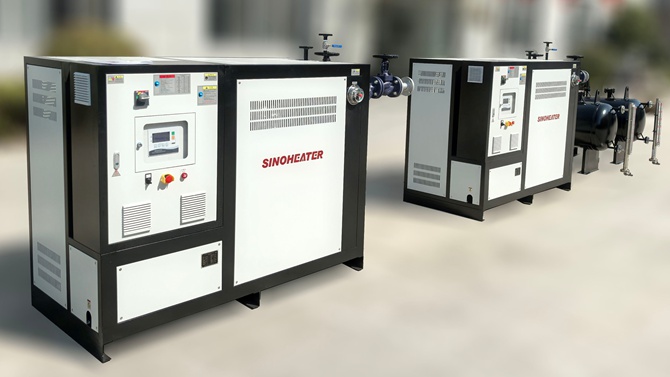
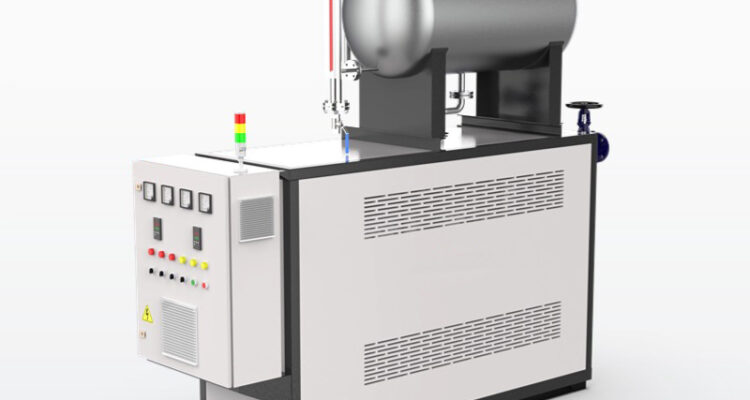
Asphalt plant operations rely on consistent, reliable high-temperature heat to keep aggregate drying, bitumen storage,…
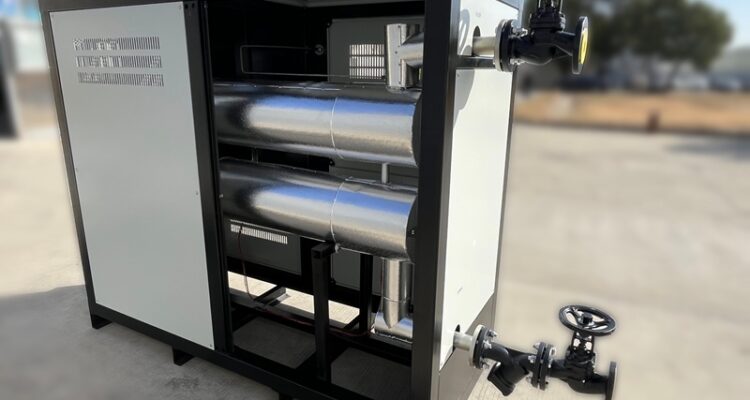
thermal oil heater low emission system
A low emission system for a thermal oil heater represents a critical engineering focus, aiming to minimize the environmental footprint of industrial heating processes while maintaining operational efficiency and reliability. This involves a multi-faceted approach integrating advanced combustion technology, precise process control, and modern post-combustion treatment to significantly reduce key pollutants like nitrogen oxides (NOx), carbon monoxide (CO), and particulate matter.
Advanced Combustion Control for Primary Emission Reduction
The foundation of a low emission thermal oil heater is precise combustion management. Modern systems utilize high-efficiency burners designed to optimize the air-fuel mixture, ensuring complete and stable combustion. This is achieved through staged combustion techniques, where fuel and air are introduced in carefully controlled zones. This method lowers peak flame temperatures, which is the primary method for suppressing the formation of thermal NOx.
Supporting this, intelligent burner management systems continuously monitor combustion parameters like oxygen levels, flue gas temperature, and pressure. They use this data to make real-time micro-adjustments to the air and fuel valves, maintaining the ideal stoichiometric ratio. This constant optimization prevents the formation of CO and unburned hydrocarbons by avoiding fuel-rich or excessively lean conditions, directly tackling emissions at the source.
Furthermore, utilizing fuels with consistent properties and lower nitrogen content, when available, contributes to lower baseline NOx generation. Pre-heating combustion air using waste heat from the flue gases also improves combustion efficiency and reduces the fuel required, thereby lowering overall emission volumes.
Integrated Heat Recovery and System Optimization
Maximizing the thermal efficiency of the entire heater system is intrinsically linked to lowering emissions. A highly efficient system consumes less fuel to deliver the same amount of process heat, resulting in proportionally lower emissions. Key to this is the integration of economizers or air pre-heaters, which capture waste heat from the exhaust flue gases.
This recovered energy is typically used to pre-heat the thermal oil on its return loop or the combustion air. By elevating the temperature of the incoming fluids, the burner needs to add less energy to reach the required operating temperature. This reduction in fuel demand directly decreases the mass flow of combustion byproducts, including CO2, NOx, and SOx.
System-wide optimization also involves minimizing heat losses through improved insulation on pipes, valves, and the heater body. Maintaining clean heat transfer surfaces inside the heater ensures maximum heat is absorbed by the thermal oil, allowing the system to operate at lower firing rates for the same duty cycle, further contributing to emission reduction.
Post-Combustion Exhaust Gas Treatment Technologies
For applications requiring the lowest possible emission levels, primary combustion control is supplemented with end-of-pipe treatment technologies. Selective Catalytic Reduction (SCR) systems are highly effective for NOx abatement. In an SCR unit, a reagent like ammonia or urea is injected into the flue gas stream, which then passes over a catalyst. A chemical reaction converts the NOx into harmless nitrogen and water vapor.
Particulate matter is typically controlled using filtration systems such as baghouses or ceramic filters. These systems physically capture fine ash and soot particles from the exhaust stream, preventing their release into the atmosphere. The choice of filtration technology depends on the particulate loading, temperature, and the specific characteristics of the ash.
Finally, continuous emission monitoring systems (CEMS) are installed to provide verifiable data on stack emissions. These systems measure the concentrations of NOx, CO, O2, and sometimes particulate matter in real-time. The data is used for regulatory compliance reporting and, more importantly, for providing feedback to the combustion control system, enabling it to auto-tune for consistent low-emission performance.
Related Posts