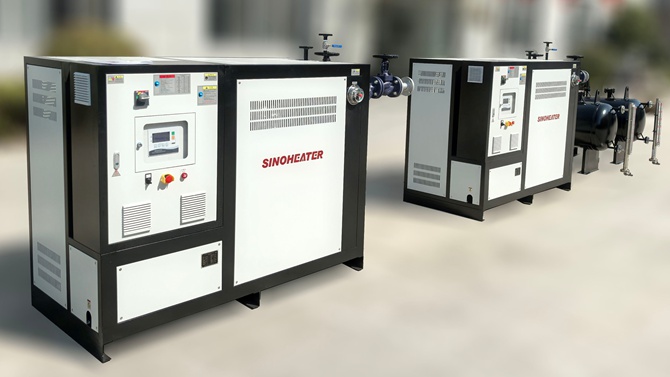
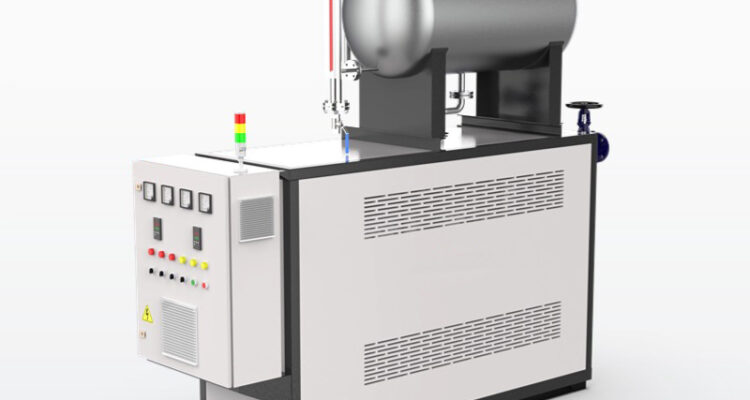
Asphalt plant operations rely on consistent, reliable high-temperature heat to keep aggregate drying, bitumen storage,…

thermal oil heater operating temperature range
Understanding the operating temperature range of a thermal oil heater is fundamental to ensuring system safety, maximizing efficiency, and extending the service life of the heat transfer fluid. This range is not a single fixed number but a carefully defined window, bounded by the fluid’s properties at the lower end and by system design limits at the upper end. Operating consistently within this optimal band is the key to reliable, cost-effective process heating.
Defining the Lower Limit: Minimum Temperature for Safe Operation
The lower end of the operating range is primarily dictated by the viscosity of the thermal fluid. When the system is cold, the fluid is thick, and circulating it imposes a high load on the pump, potentially causing damage. Each fluid has a recommended pumpability temperature, often around 20°C to 50°C (68°F to 122°F), below which circulation should be avoided.
Furthermore, most systems incorporate a low-temperature interlock that prevents burner ignition if the fluid temperature is below a set threshold, typically 10°C to 20°C above the pumpability point. This safety feature ensures the fluid is sufficiently warm and thin to allow for proper circulation and heat absorption before firing begins, preventing localized overheating (coking) in the heater coils. For systems in cold climates, trace heating or a pre-heat cycle is often necessary to bring the entire loop up to a safe startup temperature.
Establishing the Optimal Working Range for Fluid and Process
The core operating range is where the system is designed to run for prolonged periods. This range is determined by the thermal stability of the fluid and the specific needs of the industrial process. High-quality synthetic fluids can have maximum bulk fluid temperatures (the temperature measured in the expansion tank) of 300°C to 400°C (572°F to 752°F), while the film temperature at the heater coil wall can be even higher.
For optimal fluid life and system efficiency, operators should aim to run the system at the lowest temperature that satisfactorily meets the process heat demand. Consistently running near the fluid’s maximum recommended temperature accelerates thermal degradation, leading to increased viscosity, sludge formation, and the need for more frequent fluid changes. The process temperature requirement, therefore, should be carefully evaluated, and the system setpoint should be set with a reasonable safety margin below the fluid’s maximum bulk temperature rating.
Respecting the Upper Safety Limit and System Design
The absolute upper limit of operation is defined by the fluid’s maximum film temperature, which is the highest temperature the fluid experiences at the thin layer in contact with the heater coil. Exceeding this temperature, even briefly, causes rapid thermal cracking (coking) of the fluid. This forms a solid carbon layer on the coil walls, which acts as an insulator, reduces heat transfer, creates hot spots, and can eventually lead to coil failure.
System safeguards are critical here. A high-temperature limit controller, independent of the main operating thermostat, must be installed and calibrated to shut down the burner if the fluid temperature approaches this critical threshold. This upper limit is also constrained by the system’s pressure rating, as the fluid’s vapor pressure rises with temperature. The operating range must therefore ensure that the fluid’s vapor pressure at the maximum bulk temperature remains safely below the system’s pressure relief valve setting and the design pressure of all components, including the heater, pumps, and valves.
Related Posts