Asphalt plant operations rely on consistent, reliable high-temperature heat to keep aggregate drying, bitumen storage,…

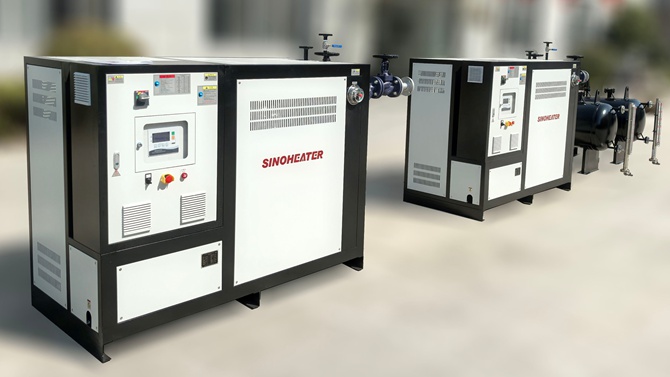
thermal oil heater outdoor installation
Outdoor installation for a thermal oil heater comes with a unique set of considerations that differ greatly from indoor setup, as the unit will be fully exposed to changing weather conditions, open site layouts, and extra environmental variables that do not apply in enclosed building spaces. Every step of the outdoor placement process needs to account for long term exposure to the elements, unplanned site disturbances, and strict alignment with local open-air industrial safety rules.
Site Layout and Foundation Preparation for Outdoor Installation
The first critical step for outdoor thermal oil heater setup is selecting and preparing a stable, hazard-free location that can support the system through years of operation.
Choose an elevated, well-drained plot of ground that sits at least 3 feet above the highest recorded flood level for the local area, to prevent standing water from pooling around the unit after heavy rain or snow melt. The foundation must be built from non-combustible, load-bearing material that can hold the full weight of the assembled system plus the complete volume of thermal oil, without shifting or cracking during seasonal freeze-thaw cycles. Keep a wide, unobstructed perimeter around all sides of the heater, free from overhanging tree branches, loose construction debris, dry vegetation, and other flammable materials that could create fire risks during operation.
Mark clear access paths for maintenance and emergency response teams, separate from regular vehicle traffic routes on the work site, to avoid accidental collisions with the unit from moving heavy equipment. Position the entire setup at a safe distance from adjacent open storage zones for flammable materials, public walkways, and unrelated active work areas on the site.
Weather Protection and Environmental Shielding Setup
Outdoor thermal oil heater installations require targeted shielding to protect core components from extreme temperature swings, precipitation, dust, and strong wind.
Install a properly anchored overhead shelter that covers the full unit and its connected pipe runs, without trapping exhaust fumes or blocking required ventilation air flow to the system. All exposed pipe sections carrying high temperature thermal oil must be wrapped in weather-resistant, water-repellent insulation, with sealed outer layers that stop rain, ice, and dust from reaching the insulation material underneath. Add dedicated freeze protection loops for any exposed auxiliary lines, to prevent residual thermal oil or water in small branches from thickening or freezing during cold winter periods.
Set up wind baffles around air intake openings if the site regularly sees sustained high wind speeds, to keep debris from being pulled into the system and to maintain consistent air flow for stable operation. Make sure all shielding structures do not create unintended heat buildup around the heater body, which could push surrounding surface temperatures to unsafe levels for nearby staff.
Outdoor Vent and Exhaust System Configuration
Proper exhaust and vent design for outdoor setups prevents fume recirculation, complies with local emission rules, and avoids unintended exposure for people working across the wider site.
Route the main exhaust stack high enough to rise well above any nearby low structures, so all flue gases disperse fully into the open air without drifting back toward work zones, building air intakes, or public areas. Add rain caps at the top of every exhaust stack to stop precipitation from seeping down into the internal system, while leaving enough open space for unobstructed fume release. Position all fresh air intake points facing away from prevailing wind directions, to avoid pulling in exhaust fumes, fine dust from nearby work sites, or chemical vapors from adjacent process areas.
Never route exhaust lines under temporary site tents or through unapproved openings into nearby enclosed buildings, even for short term pilot operation. Add clear, permanent marking around all vent and exhaust zones to alert staff that hot surfaces and potential fume release points are present in the area.
Safety and Accessory Installation for Open-Air Operation
All supporting systems for outdoor thermal oil heaters need to be built to withstand open site conditions and maintain full functionality even during harsh weather.
Mount all control panels in a fully sealed, weatherproof enclosure that sits at an elevated height above ground, to keep internal electrical components dry and free from dust, ice, and direct sun exposure. All pressure monitoring and temperature sensor lines must be routed in sealed, UV-resistant conduits that do not crack or degrade after long term exposure to direct sunlight. Install dedicated spill containment barriers around the full base of the unit, sized to hold the complete volume of thermal oil in the system in case of an unexpected leak, to stop spilled fluid from spreading across the open site.
Set up clearly visible safety warning markers around the full perimeter of the installation, to alert oncoming staff to high temperature surfaces and restricted access zones. Verify that all remote alarm notification systems are calibrated to work reliably across the open site, even during heavy rain, fog, or other low visibility weather conditions. Cross check every part of the installation against local outdoor industrial safety and environmental regulations, to confirm full alignment with all required standards for open-air thermal system operation.
Related Posts