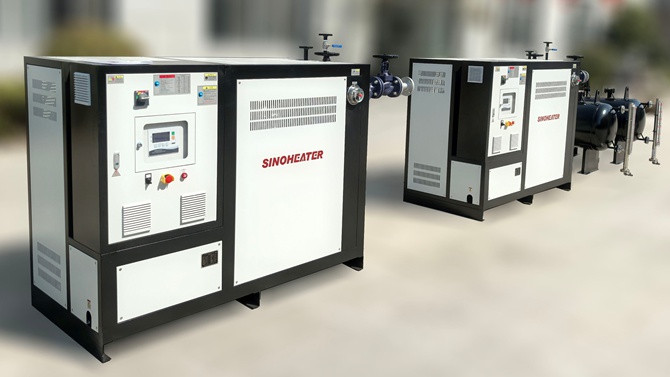
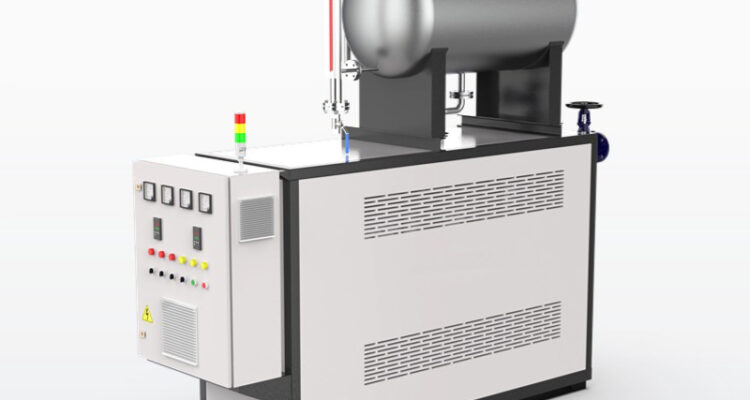
Asphalt plant operations rely on consistent, reliable high-temperature heat to keep aggregate drying, bitumen storage,…
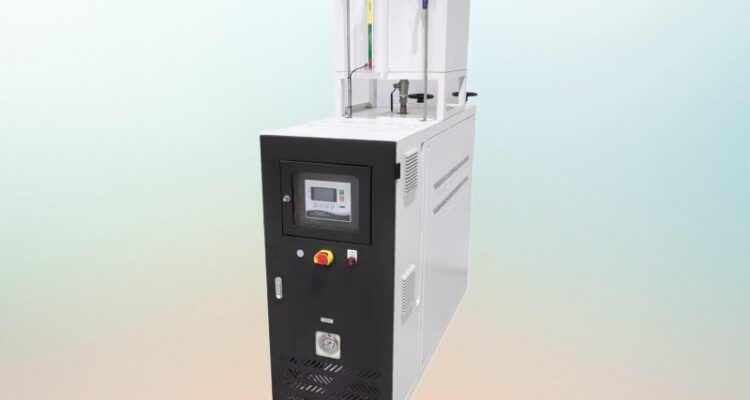
thermal oil heater pipeline maintenance
Thermal oil heater pipeline maintenance is a critical part of keeping industrial heating systems running reliably and safely over long operational cycles. Even the most well-designed thermal oil systems can develop hidden issues in piping over time, which gradually reduce heat transfer efficiency, create unplanned downtime risks, and raise potential safety hazards if left unaddressed. Proper pipeline care does not only prevent sudden failures, it also extends the overall service life of the entire thermal oil circulation network and maintains consistent process performance across different operating conditions.
Routine visual and operational checks
Operators should walk through the full pipeline layout on a daily basis while the system is in stable operation. Look for faint oil seepage around all flanges, threaded connections, valve stems and pump seal areas, as even tiny leaks can grow into larger failures under sustained high temperature and pressure. Watch for unusual discoloration on external pipe surfaces, which often signals localized overheating or thin layers of carbon buildup starting to form on the inner wall. Monitor pressure gauge readings at the circulation pump outlet and at key points along the piping route. If pressure fluctuates sharply without any change in heater load, it usually indicates trapped air in the line, partial blockage, or developing flow restrictions that need immediate attention. Listen for unusual humming, rattling or knocking sounds coming from the pipeline, which can point to misaligned supports, internal debris movement, or unstable flow patterns.
Scheduled internal condition assessment
After the first six months of system operation, establish a regular schedule to evaluate the internal state of thermal oil pipelines. Take representative oil samples from properly designated sampling points along the return line and send them for laboratory analysis, checking changes in viscosity, acid number, flash point and carbon residue. These indicators reflect not only the condition of the heat transfer fluid itself, but also indirectly reveal how much oxidation, coking or sludge deposition has started to accumulate inside the pipe walls. When routine oil tests show a steady rise in carbon residue values, arrange targeted inspection access to check inner pipe surfaces for hard carbon layers that reduce thermal conductivity. During planned shutdown periods, inspect the inner sections of elbows, tees and low-flow areas, as these locations are where most sediment and degraded oil residues tend to settle over time.
Filter and flow path upkeep
Inline filters installed in the thermal oil pipeline network require consistent attention to keep flow paths clear. Clean filter elements at regular intervals to remove fine particulate matter, metal wear particles and soft coking fragments that break loose from system surfaces. If pressure difference across a filter begins to climb beyond normal operating ranges, perform maintenance right away instead of waiting for a complete blockage that can starve the heater of proper flow. Check all valves along the pipeline to confirm they open and close smoothly, and verify that their sealing surfaces do not develop leaks that could allow air to enter the high-temperature oil loop. Make sure pipeline vent points remain functional, so that any trapped gas or vapor can be safely released during startup or after refilling operations. Proper venting prevents gas pockets that cause uneven heating, unstable flow and localized overheating inside long pipe runs.
Pipeline support and thermal expansion management
Thermal oil pipelines experience significant temperature changes from cold startup to full operating state, which creates natural thermal expansion and contraction across the entire network. Inspect pipe hangers, brackets and support structures on a regular basis to make sure they remain securely fastened and properly aligned. Loose or misaligned supports can allow unnecessary mechanical stress to build up on pipe joints, leading to premature fatigue, leakage or even cracking under repeated thermal cycling. Check expansion joints and compensators to confirm they are not restricted, clogged or overstretched, so they can continue absorbing movement without placing dangerous force on adjacent pipe sections. Remove any accumulated dust, debris or external corrosion from exposed pipe surfaces, and keep the surrounding area clear so routine inspections can quickly spot early signs of trouble.
Related Posts