Asphalt plant operations rely on consistent, reliable high-temperature heat to keep aggregate drying, bitumen storage,…
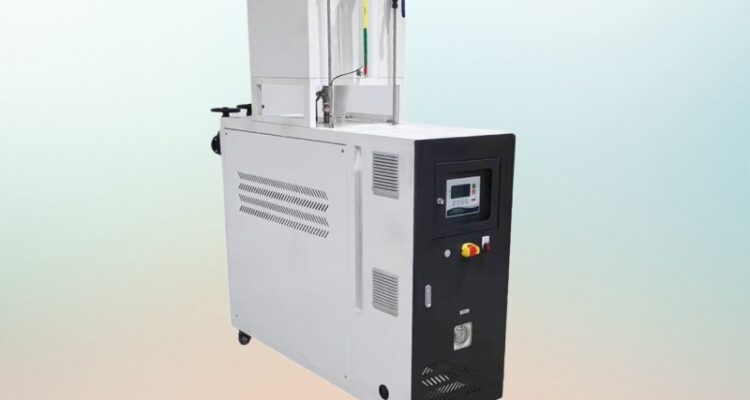
thermal oil heater preventive maintenance
Thermal Oil Heater Preventive Maintenance — What to Check, When, and Why It Saves You Money
A thermal oil heater runs silently in the background of most industrial operations. No one thinks about it until it stops working. And when it stops, the downtime cost hits hard — lost production, missed deadlines, emergency repair bills that could have been avoided entirely. Preventive maintenance is not optional. It is the single most effective way to keep your system running reliably for years.
Why Preventive Maintenance Beats Reactive Repairs Every Time
Reactive maintenance means you fix things after they break. That sounds obvious, but most facilities still operate this way. They wait for a leak, a pressure drop, or a sudden shutdown before calling someone in. By then, the damage has already spread. A small gasket leak becomes a full system drain. A minor pump issue becomes a seized motor.
Preventive maintenance flips that logic. You inspect, clean, and replace components on a scheduled basis — before they fail. The cost of a scheduled oil change and gasket swap is a fraction of what an emergency shutdown costs. More importantly, scheduled work keeps your thermal oil heater running at peak efficiency. Degraded oil, clogged filters, and worn pumps all increase fuel consumption. Over time, that wasted energy adds up to real money.
Critical Components That Need Regular Attention
Not every part of a thermal oil heater requires the same maintenance frequency. Some components degrade fast. Others can go years without issue if you check them occasionally. Knowing the difference keeps you from either over-maintaining or under-maintaining.
Thermal Oil Quality — The Foundation of Everything
The oil itself is the lifeblood of the system. Over time, thermal oil degrades through oxidation, thermal cracking, and contamination. When oil breaks down, its heat transfer capability drops. Your heater has to work harder to reach the same temperature, which increases fuel burn and puts extra stress on every component in the loop.
Check the oil condition at least twice a year. Look at the color — fresh oil is clear and amber. Dark, sludgy oil means it has oxidized badly. Check the viscosity too. If the oil feels thick or has visible particulates, it needs replacement or filtration. Most operators also track the flash point and acid number through lab testing. A rising acid number is an early warning that the oil is breaking down chemically.
Changing oil on schedule — typically every 12 to 18 months depending on operating temperature — is one of the cheapest and most impactful things you can do. Dirty oil doesn’t just reduce efficiency. It causes carbon buildup on heat transfer surfaces, which insulates the tubes and forces the burner to run hotter. That accelerates tube failure.
The Circulation Pump — Your System’s Heart
The pump keeps oil moving through the loop. If it fails, oil stops circulating, temperatures spike locally, and you get tube overheating within minutes. Pump failure is one of the most common causes of thermal oil heater emergencies.
Inspect the pump monthly. Check for unusual noise, vibration, or heat on the motor housing. Listen for cavitation — a crackling or gravel-like sound that means air is getting into the suction line. Check the mechanical seal for leaks. A small drip today becomes a full seal failure next week.
Lubricate the bearings according to the manufacturer’s schedule. Most pump failures are bearing-related, not motor-related. The bearings wear out from heat and contamination in the oil. If your oil is clean and you change it on time, the bearings last much longer.
Burner and Combustion System — Where Efficiency Lives or Dies
The burner is where fuel turns into heat. A poorly maintained burner wastes fuel, produces excess emissions, and can create unsafe conditions.
Clean the burner nozzle and igniter regularly. Carbon buildup on the nozzle changes the fuel spray pattern, which leads to incomplete combustion. That means soot, higher stack temperatures, and more fuel burned for the same output. Clean the flame sensor too — a dirty sensor causes misfires and repeated ignition attempts, which stress the ignition transformer and waste gas.
Check the air-to-fuel ratio at least quarterly. Too much air cools the flame and reduces efficiency. Too little air creates soot and risks a dangerous fuel-rich condition. Most modern burners have adjustment screws for this, but they drift over time and need recalibration.
Heat Transfer Surfaces — The Hidden Problem Area
The tubes and coils inside your heater do the actual heat transfer. Over time, they get coated with carbon and sludge from degraded oil. This layer acts like insulation. The burner has to push harder to get the same oil temperature out. Fuel costs climb. Tube metal temperatures rise. Eventually, the tubes overheat and fail.
Inspect the heat transfer surfaces during every scheduled shutdown. If you have access to the tube exterior, look for discoloration — dark spots or blisters indicate localized overheating. Measure the flue gas temperature. If it has crept up significantly compared to baseline readings, the tubes are fouled and need cleaning.
Chemical cleaning of the tubes is the standard approach. It removes carbon deposits without damaging the tube metal. Some operators also use mechanical cleaning for heavier buildup. Either way, ignoring fouled tubes is a ticket to premature tube replacement, which is one of the most expensive repairs in the system.
Safety Systems — Don’t Forget What Keeps You Alive
Thermal oil heaters operate at high temperatures under pressure. The safety systems exist for a reason, and they need to work when you need them most.
Test the high-temperature cutoff and low-oil-level alarm at least once per quarter. Simulate the condition — don’t just check that the light is on. Make sure the system actually shuts down or alarms when triggered. A safety system that looks functional but doesn’t respond when needed is worse than no system at all.
Check the expansion tank and nitrogen blanket monthly. The expansion tank absorbs oil volume changes as temperature rises and falls. If the tank is waterlogged or the nitrogen pressure has dropped, the system can develop dangerous overpressure conditions. The nitrogen blanket prevents oil oxidation in the expansion tank. Without it, the oil in the tank degrades faster and creates sludge that circulates back into the system.
Inspect all pressure relief valves annually. Remove them, clean them, and test them on a bench if possible. A stuck relief valve is a ticking time bomb.
Building a Maintenance Schedule That Actually Works
A maintenance schedule only helps if you follow it. The best schedule is one that matches your operating conditions, not a generic template from a manual.
Start with daily checks: oil level, pump sound, burner flame appearance, any unusual smells or leaks. These take five minutes and catch the obvious problems before they grow.
Weekly checks: pump vibration, filter differential pressure, burner noise. If you have a sight glass on the filter, check it for clogging. A rising differential pressure means the filter is loading up and needs cleaning or replacement soon.
Monthly checks: mechanical seal condition, safety system test, expansion tank nitrogen pressure, oil sample for visual inspection.
Quarterly checks: burner tune-up, flue gas analysis, safety system functional test, pump bearing lubrication.
Annual checks: full oil analysis, tube inspection, relief valve testing, expansion tank inspection, complete system performance review.
Stick to this rhythm and your thermal oil heater will outlast its expected lifespan. Skip it and you are just waiting for the next emergency call.
Related Posts