Asphalt plant operations rely on consistent, reliable high-temperature heat to keep aggregate drying, bitumen storage,…
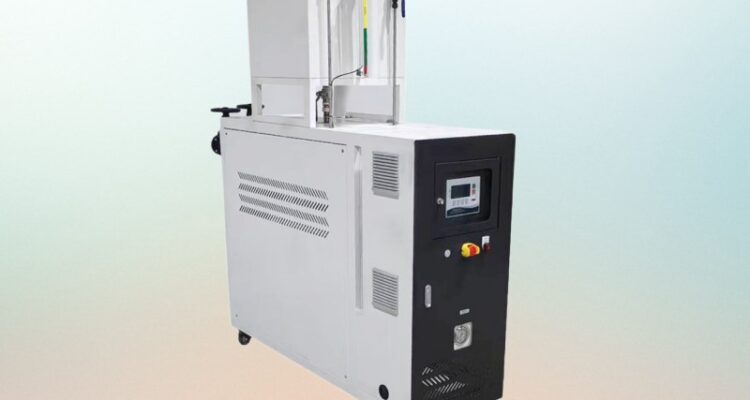
thermal oil heater process heat control
Precise process heat control for a thermal oil heater system ensures stable, consistent thermal output that aligns perfectly with the dynamic demands of industrial production, eliminating temperature overshoot, uneven heat delivery, and unnecessary energy waste. A well-structured control framework does not rely on simple on-off switching, but instead balances real-time system feedback, thermal inertia compensation, and load variation response to maintain tight temperature tolerances across all operating conditions. This level of control directly improves product quality consistency, reduces thermal stress on system components, and extends the service life of both the heat transfer fluid and connected process equipment.
Real-Time Temperature Sensing and Data Acquisition
Accurate heat control starts with strategically positioned temperature measurement points that capture representative thermal data, rather than readings skewed by localized hot spots or uneven flow. Primary sensors are installed at the heater outlet, main supply manifold, process inlet, and system return line, each placed in a section of piping with fully developed turbulent flow to ensure the measured temperature reflects the actual bulk fluid temperature. Sensing elements are calibrated on a regular schedule against traceable reference standards to eliminate drift that would gradually degrade control accuracy over months of continuous operation. The collected temperature data is sampled at a frequency matched to the system’s natural thermal response speed, avoiding unnecessary high-frequency data noise while still capturing fast, unexpected changes in process load.
Dynamic Load Tracking and Output Modulation
The control logic continuously adjusts heater energy output in direct response to real-time changes in downstream process heat demand, rather than holding a fixed firing rate that wastes energy during low-load periods. It accounts for the significant thermal inertia inherent to large volumes of circulating thermal oil, predicting how the system temperature will shift in the coming minutes based on current flow rate, return oil temperature, and recent load changes. This predictive compensation prevents the common problem of temperature overshoot, where the heater continues adding excess heat after the setpoint is reached because the slow-moving fluid has not yet delivered the temperature change back to the main sensor. Even when multiple independent process loads turn on or off at different times, the control system adjusts output smoothly to avoid sharp temperature fluctuations that would disrupt downstream production.
Differential Pressure and Flow Stability Coordination
Heat control performance cannot stay consistent if the circulation flow rate fluctuates unexpectedly, as changes in oil velocity directly alter how much heat is transferred from the heater core to the fluid and then to the process loads. The system monitors pressure differential across the main circulation loop to track real-time flow conditions, and adjusts pump speed or bypass valve position to keep flow velocity within the designed turbulent range across all operating states. If flow rate drops below the pre-defined minimum safety threshold, the control system immediately reduces heater output to prevent localized overheating and coking of thermal oil inside the heater core. This flow-stabilization layer ensures that temperature control actions produce predictable, repeatable results, rather than unexpected shifts caused by unmeasured flow variation.
Venting and Degassing Synchronization
Dissolved air and volatile vapor bubbles trapped inside the circulation loop create insulating pockets that disrupt heat transfer, cause uneven temperature readings, and introduce unplanned delays in system thermal response. The heat control workflow is synchronized with the system’s deaeration and venting routines, automatically triggering a full degassing cycle during system warm-up, after any extended shutdown, or whenever unexpected temperature sensor instability is detected. This step removes trapped gas before it can interfere with control accuracy, ensuring the entire fluid loop remains fully filled with continuous, bubble-free thermal oil at all times. Even small, intermittent gas pockets that would otherwise cause minor, hard-to-trace temperature fluctuations are eliminated, keeping the entire control system running smoothly and reliably.
Safety Interlock and Fault Response Logic
A layered set of independent safety interlocks operates alongside the main process control system, providing a fail-safe layer that triggers immediate protective action if any operating parameter moves outside the predefined safe operating envelope. If supply temperature exceeds the maximum allowable limit, if flow drops below the minimum safe value, or if system pressure spikes beyond design thresholds, the interlock cuts energy to the heater immediately while keeping the circulation pump running to dissipate residual stored heat. All fault events are logged with full timestamp and sensor data, so maintenance teams can trace the exact root cause of any abnormal event and prevent it from recurring in future operations. This structured safety design ensures the system can respond appropriately to unexpected disturbances without creating risk of component damage or unplanned extended downtime.
This integrated approach to process heat control turns a basic thermal oil heater circulation system into a highly responsive, reliable thermal utility that adapts to the changing needs of industrial production, rather than forcing operations to work around the limitations of a poorly regulated heating system.
Related Posts