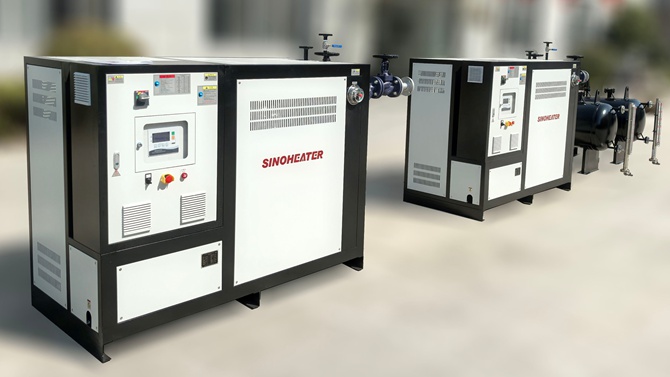
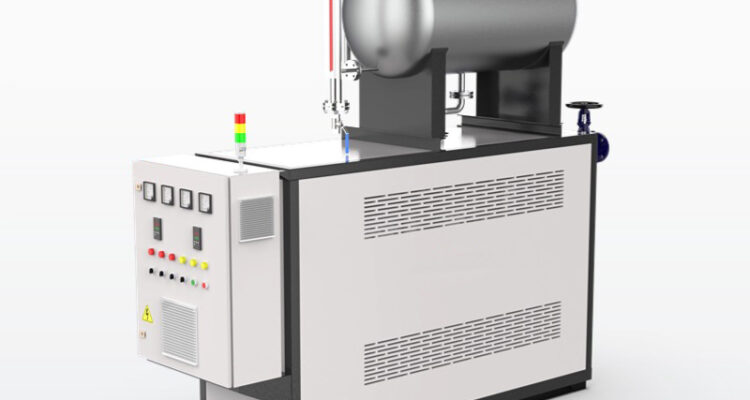
Asphalt plant operations rely on consistent, reliable high-temperature heat to keep aggregate drying, bitumen storage,…
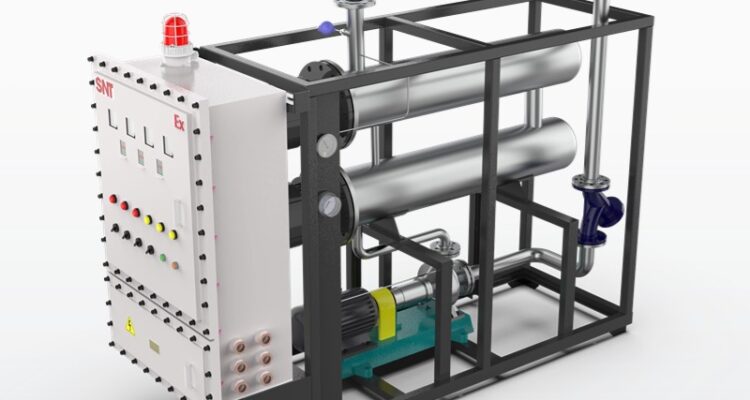
thermal oil heater process heating efficiency
Process heating efficiency in a thermal oil heater system is a measure of how effectively the energy from fuel combustion is transferred to the process fluid (thermal oil) and subsequently delivered to the end-use application without significant losses. Optimizing this efficiency is a continuous engineering effort that directly impacts operational costs, system capacity, and environmental footprint.
Core Components Defining System Efficiency
The heater unit itself, comprising the combustion chamber and heat exchanger coils, is the primary site of energy transfer. Its design dictates the initial efficiency. High-efficiency models feature optimized combustion chamber geometry that promotes complete fuel burn and maximizes radiant heat transfer. The heat exchanger coil design, including surface area, tube diameter, and flow path, is engineered to absorb the maximum amount of heat from the flue gases before they exit the stack.
The thermal oil’s properties are equally critical. Its specific heat capacity, thermal conductivity, and thermal stability at the operating temperature determine how much heat it can carry and how efficiently it transfers that heat at the process user end. A fluid with high thermal conductivity and stability minimizes the temperature differential needed for heat transfer and reduces degradation-related efficiency losses over time.
Circulation pump performance is the third pillar. The pump must provide sufficient flow rate and pressure to maintain turbulent flow through the entire system—heater, piping, and process users. Turbulent flow ensures efficient heat pickup in the heater and effective heat release at the heat user. An oversized or undersized pump can lead to excessive energy consumption or poor heat transfer, respectively.
Operational Practices for Sustained High Performance
Regular maintenance is non-negotiable for sustained efficiency. This includes periodic cleaning of the heat exchanger coils to remove carbon or ash deposits (fouling) that act as an insulating layer. Even a thin layer of fouling can significantly reduce heat transfer rates, forcing the burner to work harder and longer to achieve the same outlet temperature, thereby wasting fuel.
Maintaining the thermal oil’s condition is another key practice. Over time and at high temperatures, oil can degrade, forming polymers and coke precursors that increase viscosity and reduce heat transfer capability. Implementing a routine oil analysis program allows for proactive management, determining the optimal time for filtration, topping up, or complete replacement to preserve the fluid’s thermal properties.
System temperature control strategy also plays a major role. Operating at the minimum necessary bulk oil temperature for the process requirement reduces thermal stress on the fluid and minimizes heat losses from piping and components. Utilizing multi-zone control or cascading temperature setpoints for different process users can prevent overheating in some sections, which is a common source of energy waste.
System-Wide Integration and Heat Recovery
True high efficiency extends beyond the heater skid to the entire thermal loop. Effective insulation on all hot pipes, valves, and vessels is essential to minimize standby and distribution heat losses to the environment. Auditing and upgrading insulation, especially on older systems or at expansion joints, often yields quick returns on investment.
Integrating heat recovery units is a major step-change in efficiency. Economizers are used to pre-heat the cold return oil using waste heat from the flue gases. Air pre-heaters perform a similar function for the combustion air. By recovering this otherwise lost energy, the burner’s workload is reduced, directly lowering fuel consumption for the same net heat output to the process.
Finally, integrating the thermal oil heater’s operation with the downstream process demand through advanced process control logic can eliminate waste. Instead of running at a constant high temperature, the system can modulate based on real-time demand, reducing idle losses and unnecessary thermal cycling, which contributes to long-term efficiency preservation.
Related Posts