Asphalt plant operations rely on consistent, reliable high-temperature heat to keep aggregate drying, bitumen storage,…
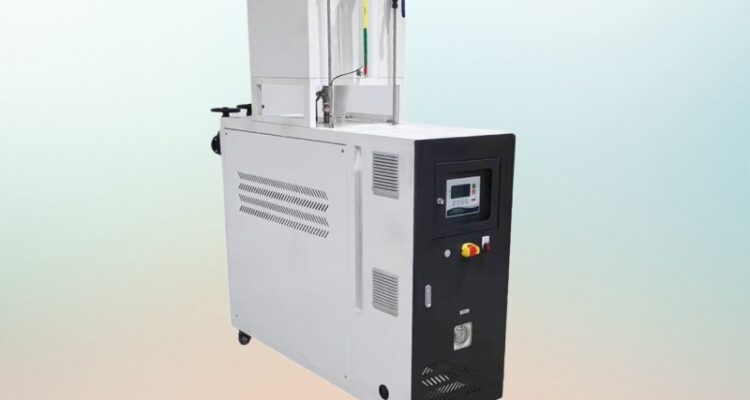
thermal oil heater smoke emission control
Effectively managing smoke emissions from a thermal oil heater is not just an environmental compliance issue; it is a direct indicator of combustion health, system efficiency, and overall operational safety. Excessive smoke—typically visible as black soot particles or a hazy plume—signals incomplete combustion, which wastes fuel, accelerates equipment fouling, and can lead to regulatory violations. Controlling these emissions requires a systematic approach that addresses the root causes within the combustion process, the fuel delivery system, and ongoing operational practices.
Achieving and Maintaining Optimal Air-Fuel Mixture
The primary cause of smoke emission is an improper ratio of combustion air to fuel. Incomplete combustion occurs when insufficient oxygen is available to fully burn the hydrocarbon fuel, resulting in the formation of unburned carbon particles (soot) that exit as visible smoke. The solution is precise, ongoing adjustment of the air-fuel ratio.
Operators should use a portable combustion analyzer to measure the oxygen (O2) and carbon monoxide (CO) levels in the flue gas. The target is to maintain enough excess air for complete combustion—typically 10-20%—without introducing so much excess that it cools the flame and reduces efficiency. This balance must be verified and adjusted across the burner’s entire firing range, from low fire to high fire, as the air-fuel mix can drift at different loads. A smoky startup or shutdown sequence often indicates that the air damper or fuel valve linkages are out of adjustment for those specific transition periods. Regular calibration of these mechanical linkages ensures a clean, efficient flame throughout the entire operating cycle.
Ensuring Proper Fuel Atomization and Clean Combustion
Even with the correct air-fuel ratio, poor fuel preparation will lead to smoke. For liquid-fueled heaters, this means the fuel must be perfectly atomized—broken into a fine mist—to mix thoroughly with combustion air. A worn, dirty, or incorrectly sized burner nozzle will produce uneven fuel droplets that cannot burn completely, generating soot.
Regular inspection and cleaning of the fuel nozzle, strainers, and filters are essential to prevent blockages that disrupt the spray pattern. The fuel oil temperature and viscosity must also be kept within the burner manufacturer’s specified range; oil that is too cold or viscous will not atomize properly. For systems using waste oils or heavier fuels, preheating to the exact recommended temperature is critical for clean combustion. Additionally, ensuring the combustion air is delivered at the correct pressure and without turbulence allows for stable, well-mixed flame that minimizes the formation of particulate matter.
Implementing Proactive Monitoring and Maintenance Routines
Smoke emission control is an ongoing process, not a one-time fix. Establishing a routine monitoring and maintenance schedule is key to preventing problems before they become visible.
Daily visual checks of the stack during startup, steady operation, and shutdown can provide early warning of issues. Logging key parameters like stack temperature, flue gas opacity (if monitored), O2/CO readings, and fuel pressure helps establish a performance baseline. Any deviation from this baseline warrants investigation. Proactive maintenance tasks directly impact emissions: cleaning the heat exchanger surfaces to prevent soot buildup that insulates and worsens combustion conditions; inspecting and sealing air leaks in the combustion chamber that can dilute the flame; and verifying the proper operation of all burner safety and control components, such as the flame scanner and air proving switch. A well-maintained system with clean heat transfer surfaces and precise control will naturally operate with minimal visible emissions, reflecting efficient combustion and reduced environmental impact.
Related Posts