Asphalt plant operations rely on consistent, reliable high-temperature heat to keep aggregate drying, bitumen storage,…
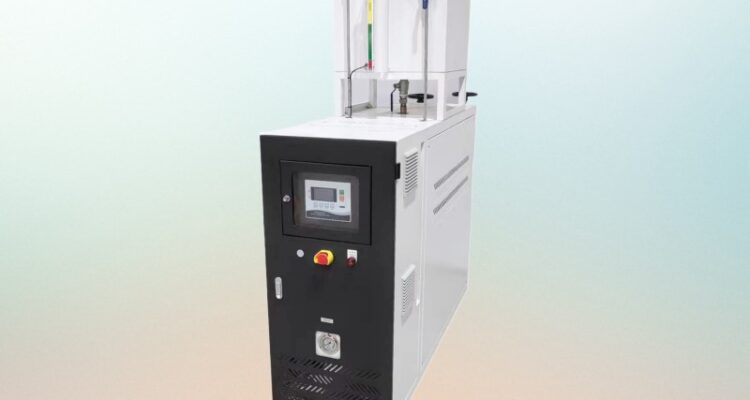
thermal oil heater system commissioning
Thermal oil heater system commissioning is a structured, multi-stage process that verifies the correct installation, functional integrity, and safe operational readiness of the entire closed-loop system before it enters continuous service. This critical phase involves a series of methodical checks, adjustments, and controlled operational tests performed on the heater unit, circulating pumps, expansion tank, piping network, control systems, and safety devices. A thorough commissioning procedure ensures the system operates at its designed efficiency, meets all safety standards, and establishes a reliable performance baseline for future operation and maintenance.
Pre-Commissioning Verification and System Preparation
Prior to introducing heat or pressurizing the system, a comprehensive static inspection and preparation phase is essential. This involves verifying that all mechanical installations are complete and correct, including proper support and alignment of pumps, secure mounting of the heater, and correct installation of valves and instruments. The entire piping circuit must be pressure-tested with water or air to confirm there are no leaks at flanges, welds, or threaded connections. Electrical systems are checked for proper grounding, motor rotation direction, and calibration of all sensors (temperature, pressure, level). The expansion tank is set to the correct pre-charge pressure, and the entire system is thoroughly flushed to remove any construction debris, rust, or contaminants that could damage pumps or foul the heater surfaces.
Hydraulic Testing and Cold Circulation Sequence
With the system integrity confirmed, the next step involves filling it with the specified heat transfer fluid and initiating cold circulation. The fluid is introduced slowly through a filling pump, with careful venting at all high points in the piping to eliminate air pockets that could cause pump cavitation or uneven heating. Once filled, the main circulation pump is started and run at low speed. Technicians monitor pump amperage, system pressure at key points, and listen for abnormal noises that might indicate remaining air or flow restrictions. This cold circulation phase helps to further purge any residual air, wet all internal surfaces, and confirm that flow switches and pressure differentials across filters and the heater are within expected ranges before any heat is applied.
Controlled Heat-Up, Operational Testing, and Performance Validation
The final and most critical phase is the gradual, controlled heating of the system. Using the heater’s lowest firing rate, the fluid temperature is increased in slow, predetermined steps, typically with mandatory holding periods at key temperature thresholds (e.g., 100°C, 150°C). These holds allow for the removal of residual moisture from new fluid and provide time for thermal expansion of all components to occur in a controlled manner. During this heat-up, technicians verify the proper operation of all control loops, safety interlocks, and alarm functions. This includes testing high-temperature cutouts, low-flow switches, and pressure relief valves. Once the system reaches its minimum operating temperature, a full-load test is conducted to confirm it can achieve and maintain the design temperature and pressure while all ancillary equipment and safety systems function as intended.
Related Posts