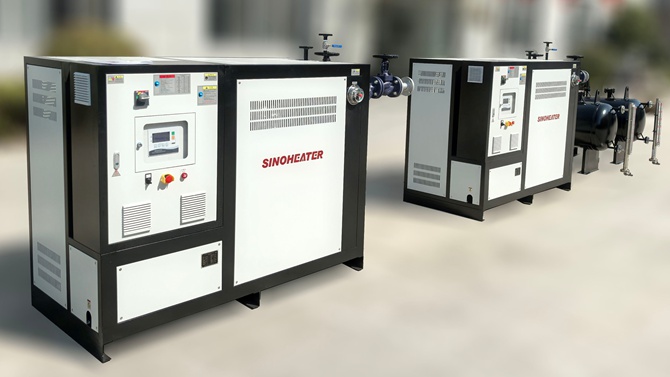
Asphalt plant operations rely on consistent, reliable high-temperature heat to keep aggregate drying, bitumen storage,…
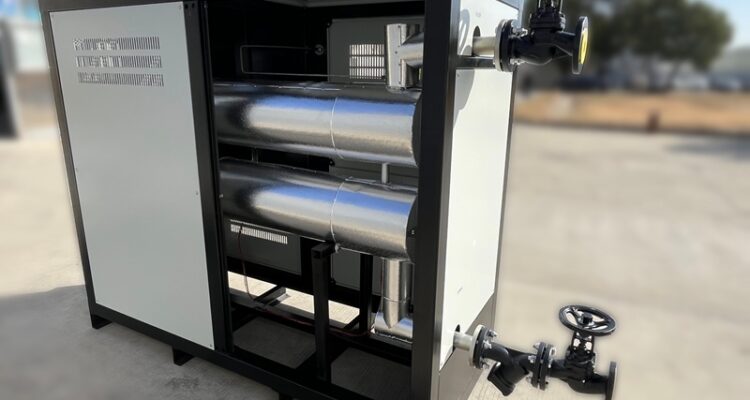
thermal oil heater thermal insulation performance
Thermal oil heater insulation performance is a critical factor that directly impacts operational efficiency, energy consumption, and long-term system stability for industrial heating applications. Proper insulation design and maintenance can significantly reduce unnecessary heat loss, ensuring that the generated thermal energy is fully transferred to the circulating thermal fluid rather than dissipating into the surrounding environment. This not only cuts down redundant energy waste but also creates a safer working environment by keeping external surface temperatures at a manageable level for on-site operators.
Key factors that affect thermal oil heater insulation performance
The overall insulation effect of a thermal oil heater is determined by multiple interconnected factors that work together to shape real-world performance. The first core factor is the inherent properties of the insulation material itself, including its thermal conductivity, maximum continuous operating temperature, and long-term structural stability under repeated heating and cooling cycles. Materials with extremely low thermal conductivity can effectively block heat transfer even when exposed to the high surface temperatures of the heater body, while materials with poor temperature resistance will degrade quickly under prolonged high heat, leading to a sharp drop in insulation effect after a short period of use.
The second influencing factor is the structural design of the insulation layer, including the total thickness of the insulation, the tightness of the fit between the insulation material and the heater shell, and the treatment of gaps at connection points such as flanges, pipe joints, and access doors. Even high-quality insulation materials will fail to deliver expected performance if there are unaddressed gaps or loose installation, as these weak points will become channels for concentrated heat loss that undermines the performance of the entire insulation system.
The third factor comes from operating and maintenance conditions over the full lifecycle of the equipment. Long-term exposure to moisture, dust, or corrosive gases in the working environment can erode the insulation material, increasing its thermal conductivity and causing local insulation failure. Regular operational wear, such as minor vibrations from circulating pumps and thermal expansion and contraction during repeated start-stop cycles, can also create gaps inside the insulation layer that gradually reduce overall performance over months and years of use.
Practical methods to optimize thermal oil heater insulation performance
There are several actionable, field-verified approaches to enhance the insulation performance of a thermal oil heater without modifying the core heating structure of the equipment. First, select insulation materials that match the maximum operating temperature of the heater system, ensuring the material maintains stable low thermal conductivity even under sustained high-temperature working conditions, and avoid using materials that will experience performance degradation or structural phase changes at the system’s normal operating temperature range.
Second, pay special attention to the insulation treatment of high heat loss weak points that are often overlooked in basic installation. These positions include the connection sections between the heater body and the inlet and outlet pipes, the sealing parts of the maintenance access cover, and the exposed surfaces of the connecting flanges. Using segmented, closely fitted insulation treatment for these areas can eliminate most concentrated heat loss points that account for a large proportion of total system energy waste.
Third, establish a regular inspection and maintenance routine for the entire insulation system. During daily on-site patrols, operators can check the external surface temperature of the heater shell with simple temperature measuring tools, mark any areas with abnormal high temperatures, and carry out targeted repair work in time before the small local insulation problem expands into a large-scale performance loss issue.
How to evaluate the real-world insulation performance of a thermal oil heater
Accurate evaluation of insulation performance cannot rely solely on theoretical material parameters, and must be carried out under actual stable operating conditions of the thermal oil heater system. The most direct evaluation method is to measure the surface temperature of the insulation outer layer when the heater runs at full load and reaches the set stable operating temperature, and compare it with the ambient temperature of the working site to calculate the actual heat loss per unit area of the insulation structure.
Another effective evaluation angle is to track the long-term energy consumption data of the heater system. By comparing the energy input required to maintain the same set thermal fluid temperature under similar working conditions, operators can clearly judge whether the insulation performance remains in a good state, and identify subtle performance declines that cannot be easily detected through a single surface temperature measurement.
It is also necessary to observe the performance change of the insulation system after multiple start-stop cycles and long-term continuous operation. A high-quality insulation structure will maintain stable performance after hundreds of temperature fluctuations, while a poorly designed or improperly installed insulation layer will show obvious performance attenuation after a short period of use, requiring frequent repair and adjustment to maintain normal working effect.
Related Posts