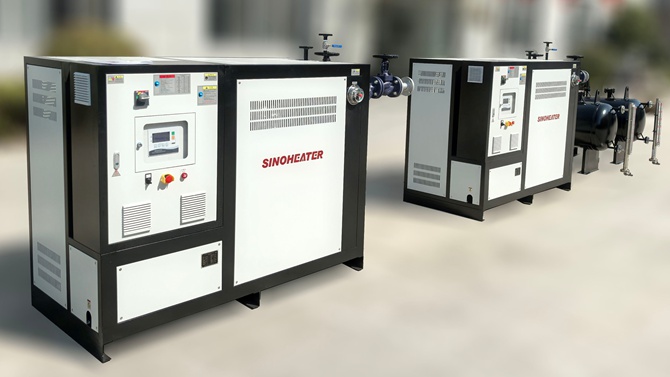
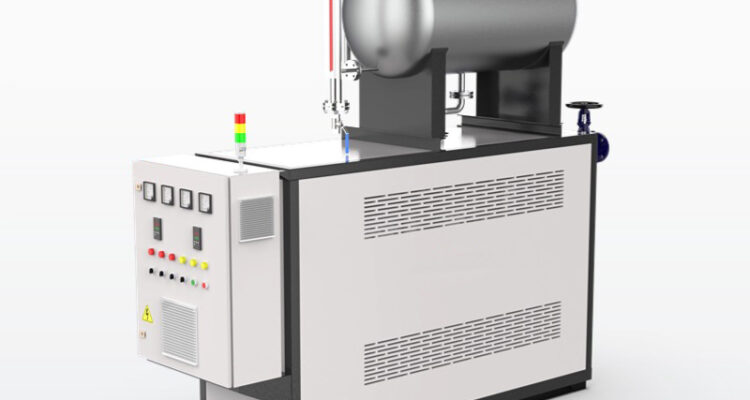
Asphalt plant operations rely on consistent, reliable high-temperature heat to keep aggregate drying, bitumen storage,…
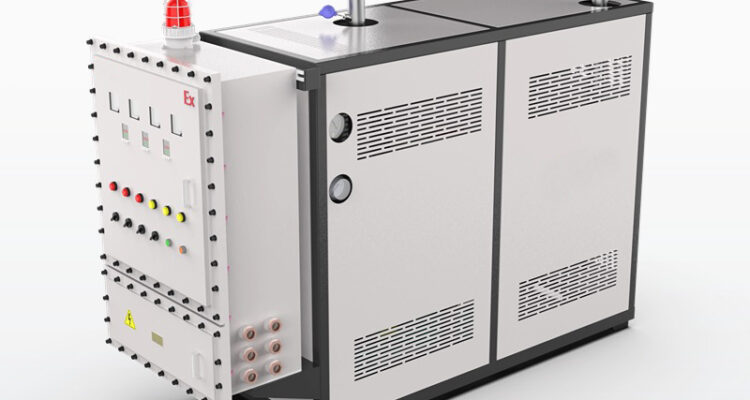
thermal oil heater thermal oil filtration
Thermal oil filtration is a critical maintenance and operational process within a closed-loop thermal fluid heating system. It involves continuously or periodically removing solid contaminants, carbonized particles, and sludge from the heat transfer fluid to maintain its thermal properties, protect system components, and ensure long-term operational efficiency and safety. As discussed in the context of thermal oil heater fluid circulation design, the fluid is the lifeblood of the system, and its purity directly impacts heat transfer efficiency and component lifespan. Unfiltered fluid can lead to increased viscosity, reduced flow rates, accelerated pump wear, and fouling of heater tubes and control valves.
Contaminant Sources and Filtration System Objectives
Contaminants in a thermal oil system originate from several sources. New fluid may contain microscopic manufacturing residues, while system components can introduce metal fines, seal debris, or rust particles during initial operation or over time. The most significant contaminants, however, are generated internally through thermal degradation. As the oil operates at high temperatures, a small fraction can thermally crack, forming hard carbonaceous particles (coke) and sludge. The primary objective of filtration is to remove these particulates to prevent them from circulating. Effective filtration protects the circulation pump from abrasive wear, prevents clogging of narrow passages in control valves and heat exchangers, and minimizes the buildup of insulating deposits on heater tube walls, which was highlighted as a key concern in thermal oil heater heat transfer system optimization.
Integration Points and Filtration Method Selection
A filtration system is not a standalone unit but is integrated into the main fluid circulation loop. Common integration points include a full-flow bypass line on the pump discharge or a side-stream (kidney loop) configuration that continuously processes a portion of the main flow. The choice between mechanical filtration, using pleated paper or sintered metal elements to trap particles down to a specific micron rating, and more advanced electrostatic or coalescing filtration depends on the contaminant profile and system requirements. For systems with high carbon content, specially designed depth media filters that can handle the sticky, abrasive nature of coke particles are often employed. The filtration method must be selected to handle the system’s operating temperature without degrading, ensuring it functions effectively during both normal operation and hot standby periods.
Operational Protocol and Performance Monitoring
Implementing filtration requires a defined operational protocol. This includes establishing a schedule for checking filter differential pressure, which indicates loading, and for changing filter elements. For systems with severe degradation, an offline “boil-out” or cleaning cycle with a dedicated high-capacity filter cart may be necessary. Performance is monitored not just by pressure gauges on the filter housing, but also by periodic fluid analysis. Laboratory tests can track the Total Acid Number (TAN), viscosity, and particulate content, providing data to correlate with filter change-out intervals and overall system health. Proper filtration, combined with regular fluid analysis, forms the cornerstone of proactive maintenance, directly supporting the goal of maximizing system uptime and thermal efficiency while minimizing unscheduled downtime for component repair or full system flushing.
Related Posts