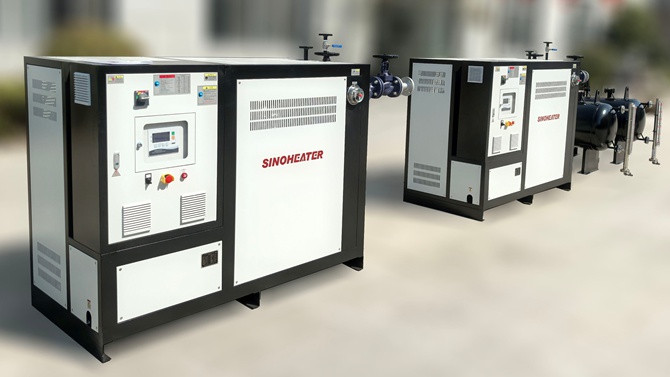
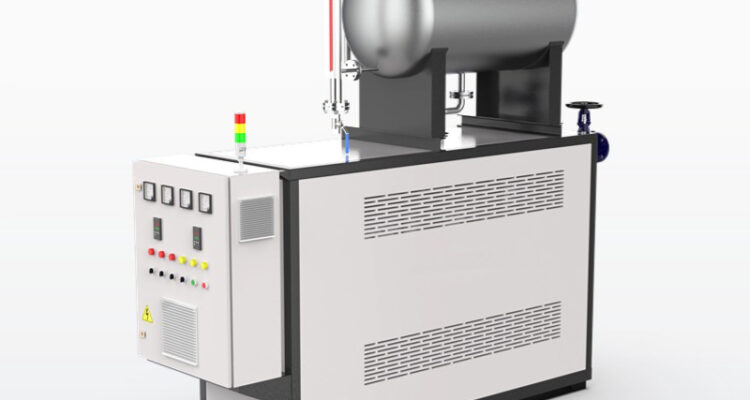
Asphalt plant operations rely on consistent, reliable high-temperature heat to keep aggregate drying, bitumen storage,…
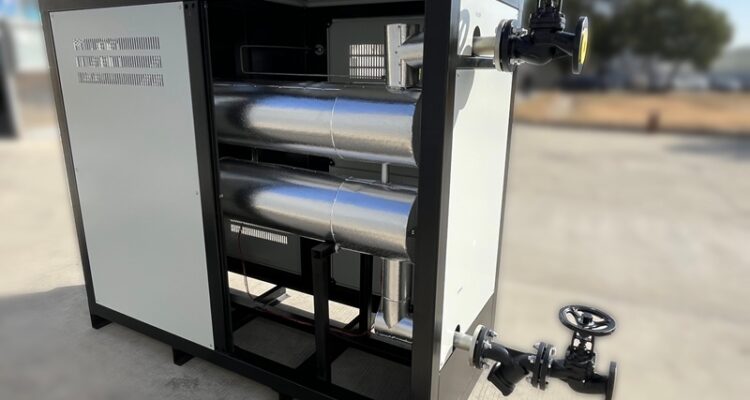
thermal oil heater thermal oil monitoring
Continuous thermal oil monitoring is one of the most critical operational practices for any system running a thermal oil heater over extended periods. As the heat transfer fluid circulates repeatedly through high-temperature cycles, gradual changes in its chemical and physical properties can quietly reduce system efficiency, create unplanned downtime risks, and even lead to unnecessary wear on key heater components. A structured monitoring routine helps operators catch these shifts early, before they develop into larger, more costly operational problems.
Key fluid property indicators to track on a regular basis
Viscosity stands out as one of the most sensitive early warning signals of thermal oil degradation. When the fluid is exposed to sustained high heat over long operating hours, it can undergo thermal cracking that breaks down larger molecular structures, or polymerization that forms heavier, more viscous compounds. Both changes alter the fluid’s flow behavior, reducing its ability to carry heat evenly through the system and forcing the heater to work harder to maintain target process temperatures. Regular viscosity checks make it possible to spot these subtle shifts long before performance drops noticeably.
Total acid value is another important parameter that operators need to monitor closely. As thermal oil slowly oxidizes over time, it forms acidic byproducts that can accelerate corrosion inside pipes, heat exchangers, and the heater’s internal heating elements. A rising acid value trend is a clear indication that the fluid is no longer in its optimal condition, and that corrective action is needed to prevent long-term damage to the entire system.
Carbon residue content also provides valuable insight into fluid health. As thermal oil breaks down under high operating temperatures, it can leave behind solid carbon deposits that stick to the inner walls of heating coils and pipe surfaces. These deposits act as an insulating layer, blocking efficient heat transfer from the heater to the circulating fluid and creating localized hot spots that can further accelerate fluid degradation. Tracking carbon residue levels helps operators identify when cleaning or fluid conditioning work is required to keep the system running at full efficiency.
Monitoring methods suitable for different operational scenarios
For facilities that run their thermal oil heater on a nearly continuous basis, on-site spot testing offers a practical way to check key fluid properties without disrupting normal operations. Operators can collect small fluid samples from designated, safe sampling points along the circulation loop and run quick, repeatable tests right at the facility. This approach provides immediate feedback on current fluid condition and makes it easy to track how properties change from one week to the next.
Scheduled laboratory analysis of collected fluid samples delivers a deeper, more complete picture of thermal oil health. These more detailed tests can detect trace contaminants, measure exact elemental content of wear metals, and identify subtle chemical changes that basic on-site tests might miss. Many teams send samples for lab analysis on a fixed, periodic schedule, using the full report to build a long-term performance history for their thermal oil system.
Real-time parameter tracking integrated into the heater’s operational control system adds another layer of monitoring support. By continuously logging system temperature differentials across the heater, flow rates, and operating pressure, operators can spot unexpected shifts that often align with changes in thermal oil condition. A sudden unexplained rise in pressure drop across the loop, for example, can be an early sign that fluid viscosity is increasing or that partial fouling is starting to build up inside pipe walls.
Corrective actions guided by monitoring data
When monitoring results show that thermal oil properties are moving outside their normal healthy range, targeted corrective steps can be taken before the problem escalates. Minor shifts in fluid condition can often be addressed through controlled filtration to remove solid contaminants, or by carefully topping up the system with fresh, compatible fluid to dilute degraded compounds. These small, timely adjustments can extend the usable service life of the thermal oil significantly without requiring a full fluid replacement.
If monitoring data shows that degradation has progressed further, teams can plan a controlled, scheduled fluid change and system cleaning during a pre-planned production downtime window. This avoids the risk of unexpected, unplanned shutdowns that can disrupt production schedules and create much larger operational losses. The data collected from monitoring also helps teams plan the scope of cleaning work, ensuring that accumulated deposits inside the heater and piping are fully removed before new fluid is introduced.
Over the long term, historical thermal oil monitoring data helps operators refine their overall system operating practices. By identifying which operating conditions correlate with faster fluid degradation, teams can adjust their heater temperature setpoints, improve system venting practices, and optimize maintenance intervals to slow down fluid aging. This leads to more stable long-term performance, lower operational risk, and more consistent heat transfer efficiency across the full service life of the thermal oil heater system.
Related Posts