Asphalt plant operations rely on consistent, reliable high-temperature heat to keep aggregate drying, bitumen storage,…
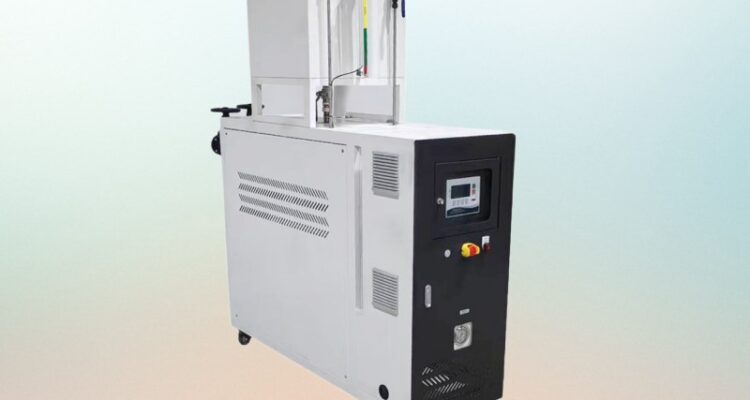
thermal oil heater thermal oil purification
Over thousands of hours of continuous operation, heat transfer fluid in a thermal oil heater system will gradually accumulate contamination that erodes performance, raises energy use, and creates hidden risks of unexpected component failure. Even systems run under carefully controlled operating conditions will see slow, natural degradation of the fluid, leading to the formation of carbon fines, sludge, oxidation byproducts, and tiny particulate matter that circulates through the closed loop. Regular thermal oil purification removes these unwanted contaminants, restores the fluid’s original heat transfer properties, and extends the usable service life of both the fluid itself and the entire heater system.
Contamination root cause identification before purification
Before starting any purification work, it is critical to first identify exactly what types of contamination are present in the fluid, and trace back to the root cause that introduced or generated it in the first place. Common contamination sources include thermal cracking from localized overheating at heater surfaces, oxidation from unprotected air exposure in the expansion tank, external particulate that entered the system during maintenance, and trace amounts of process fluid that leaked across heat exchanger seals. Different contamination types require different purification approaches, and addressing the root cause stops new contamination from building up immediately after the cleaning process is finished.
Testing fluid properties to map degradation level
Pulling representative fluid samples from multiple points in the loop, including the heater outlet, the return line, and the bottom of the expansion tank, gives a complete picture of how far the fluid has degraded. Key property checks include measuring total sediment content, checking for elevated acidity levels, testing flash point values, and documenting any abnormal rise in fluid viscosity. These baseline measurements create a clear benchmark that lets you compare fluid conditions before and after purification, so you can confirm the process delivered the expected level of cleanup rather than stopping short of full restoration.
Selecting the right purification workflow for system conditions
Different system sizes, contamination levels, and operating constraints call for different purification approaches, and the most effective solution is almost always tailored to the specific conditions found during initial testing. For systems with light, relatively new contamination made up of fine suspended particles and minor oxidation byproducts, a continuous low-flow purification process that runs alongside normal system operation can remove contamination gradually without requiring a full system shutdown. This approach is ideal for facilities that cannot afford to pause production for extended maintenance windows, and it can be run on a regular scheduled basis to keep contamination levels low at all times.
Handling heavy sludge and coked-on deposits
For systems that have accumulated years of unaddressed contamination, with thick layers of sludge settled at low points and thin carbon deposits stuck to internal pipe walls, a more intensive full-system decontamination process is required. This workflow often involves slowly circulating heated specialized cleaning fluid through the entire loop to soften and lift hardened deposits, before running the purification process to capture all the dislodged material. This level of deep cleanup restores internal pipe surfaces back to near-original condition, which brings heat transfer efficiency back up to the levels seen when the system was first commissioned.
Post-purification system validation and ongoing maintenance
Once the purification process is complete, pulling new fluid samples from the same test points used before the work confirms that contamination levels have been brought down within acceptable operating ranges. Beyond just testing fluid chemistry, it is also important to measure and document the new pressure drop across the heater and the full circulation loop, and compare it against the pre-purification baseline. A clear drop in system pressure drop after purification confirms that flow restrictions caused by accumulated contamination have been removed, and that fluid can move freely through every section of the system once again.
Setting up regular scheduled purification intervals
After completing a full successful purification cycle, you can use the documented rate of new contamination buildup to set a proactive, scheduled purification interval that prevents contamination from ever reaching problematic levels again. This regular, low-level ongoing maintenance avoids the need for major, disruptive deep cleaning projects down the line, and it keeps the system running at peak thermal efficiency for every hour of operation. Over the long term, this consistent approach reduces unplanned outage risk, cuts unnecessary energy waste, and eliminates the unexpected costs that come from premature fluid replacement caused by unaddressed degradation.
Related Posts